
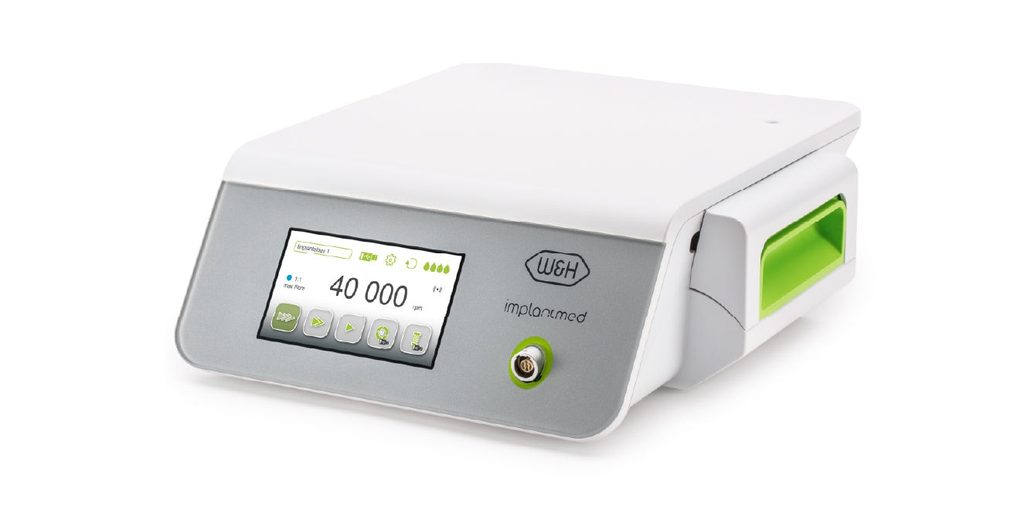
Two implant motors sit side by side at a trade show. One advertises eighty Ncm of torque and a speed range up to forty thousand RPM. The other lists sixty Ncm and thirty thousand RPM at a noticeably lower price. Both promise smooth, quiet operation and preprogrammed protocols for major implant systems. A surgeon standing between them has to decide which specification wins, and the answer depends on questions the marketing material rarely addresses. This is the tension that shapes almost every purchase in this category.
The problem is that torque and speed are not opposing values. They interact with each other, with the reduction ratio of the contra-angle, and with the density of the bone at the specific site being drilled. Choosing based on peak numbers alone ignores what happens between those peaks, which is where most of the surgery actually takes place. This article unpacks the trade-off in language that helps a clinician make an informed choice rather than a defensive one.
Why Peak Torque Numbers Mislead
Peak torque is the number that catches attention on a specification sheet, and it is also the number that describes the smallest fraction of a real procedure. Most implant osteotomies operate well below the peak, using torque values in the ten to forty Ncm range during pilot and expansion drilling. Peak torque matters only during the final seating of the implant when bone density is high, and even then, only if the surgeon chooses to seat with the motor rather than a hand torque wrench. A well-chosen implant motor holds its rated torque with stability at these working ranges, not just at the ceiling advertised in the brochure.
Stability at low speed is the underrated specification. A motor rated at eighty Ncm that stutters at ten RPM under load is less useful than a sixty Ncm motor that maintains smooth rotation at the same speed. Surgeons working close to nerves or membranes need predictable behavior at the low end of the range far more than they need headroom at the top. When comparing motors, ask for real-world behavior at fifteen RPM under dense bone conditions, not just the peak specification.
How Bone Density Changes the Question
Bone density varies dramatically between sites, and the torque requirement changes with it. Type One bone in the anterior mandible resists drilling and requires higher torque during final drilling stages. Type Four bone in the posterior maxilla yields easily and demands careful torque management to avoid over-preparation. A motor that behaves identically across these conditions gives the surgeon confidence to work by feel rather than by watching the display. This consistency is worth more than any single peak number.
Speed Ranges and When They Matter
Top-end speed is another specification that gets more attention than it deserves in the implant context. Most implant drilling protocols run between eight hundred and fifteen hundred RPM for the pilot, then decrease as drill diameter increases. Speeds above two thousand RPM are relevant for adjacent procedures like bone shaping or surgical extractions, not for the core osteotomy itself. A motor rated to forty thousand RPM offers no clinical advantage over one rated to thirty thousand when the actual working range sits below fifteen hundred.
Programmable Protocols Worth Using
Preprogrammed sequences save time when they match a real workflow, and become noise when they do not. Motors that let the surgeon build custom programs for their preferred implant systems are more valuable than those that ship with dozens of unmodifiable presets. The best programs let the surgeon adjust torque and speed at each drilling step without leaving the sterile field. Programs that require menu navigation with contaminated fingers become dead features within the first month of use.
Reverse Function and Its Practical Use
The reverse function is not just for backing out a stuck drill. It supports bone condensing techniques, unscrewing healing abutments, and removing broken instruments in specific cases. A motor that switches direction smoothly and holds torque in reverse is more versatile than one that treats reverse as an afterthought. Test the reverse behavior during any demonstration; sales presentations rarely showcase it.
Calibration and Long-Term Consistency
An implant motor that reads eighty Ncm on year one and produces sixty-five Ncm by year three has quietly become a different instrument. Calibration drift affects every torque-controlled motor to some degree, and the design of the calibration process determines whether the surgeon can catch the drift before it affects a case. Motors with built-in calibration checks and clear service intervals give the surgeon confidence that the displayed value matches reality. Ask the vendor how calibration is verified and how often it needs adjustment.
Established manufacturers like Plovio publish service intervals and calibration procedures alongside their instruments, which makes long-term consistency a matter of process rather than luck. A clinic that documents calibration checks alongside routine sterilization builds a paper trail that supports quality assurance and simplifies transitions when a new surgeon joins the practice. This documentation practice does not require additional equipment; it requires a habit that takes minutes per month.
The Interface That Survives Contact With Real Surgery
Motor interfaces range from simple two-button designs to full touchscreens. Simplicity often wins in the operatory, where the surgeon needs to change settings without breaking sterility. Foot control responsiveness, display readability under bright surgical lighting, and the tactile feel of the handpiece coupling all shape whether the motor becomes an extension of the surgeon or an obstacle to work around. These qualities are difficult to assess without a hands-on trial with the surgeon who will use the instrument daily.
Sound level deserves specific attention. A quiet motor changes the patient experience noticeably, especially in cases performed under local anesthesia with the patient fully aware of ambient sounds. Sound level also affects the surgeon; a quieter operating environment reduces the low-grade fatigue that accumulates over a full surgical day. This is one of the specifications that a demonstration reveals clearly and a data sheet obscures completely.
Choosing With Real Priorities in Mind
The choice between torque and speed is a false one for most implant surgeons. The relevant question is whether the motor performs consistently across the range where the actual work happens, which sits well below the peak numbers that dominate marketing material. Stability at low speed, calibration reliability, interface usability, and long-term service support matter more over five years of ownership than any single specification highlighted on the box.
Make the decision by asking specific questions: how does this motor behave at fifteen RPM under load, how is it calibrated, how long between service events, and does the interface work when the surgeon’s hands are wet with saline. The answers to these questions describe the instrument that will still feel right after a hundred cases, and that is the specification that actually matters when the choice is made.