
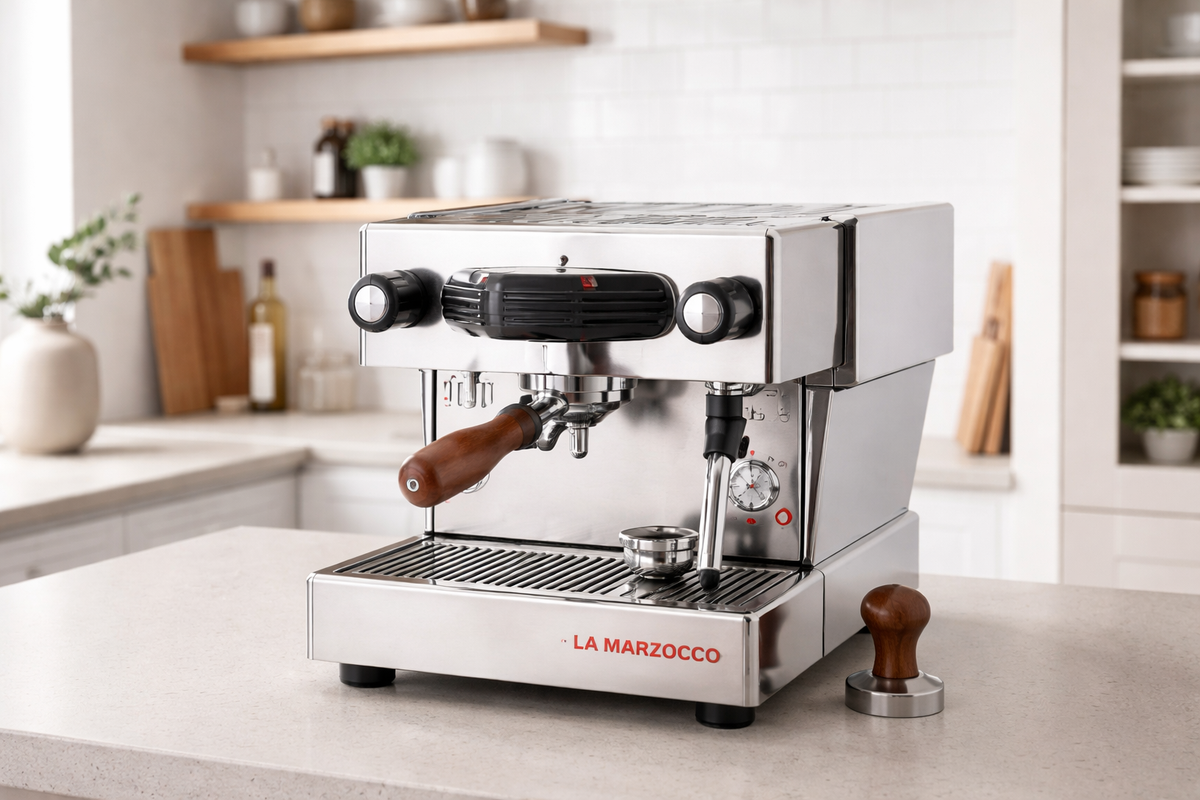
Making coffee at home has become more than just a way to prepare a quick morning drink. For many coffee enthusiasts, it is an opportunity to experiment with different beans, brewing styles, and café-style beverages without leaving the kitchen. However, with so many machines available, choosing the best coffee machine for home can be confusing.
The right choice depends less on having the most advanced machine and more on finding one that matches your brewing habits, available space, preferred beverages, and level of involvement.
What Makes a Good Home Coffee Machine?
A good home coffee machine should provide a balance between convenience, consistency, and control. Someone who wants a quick cup before work may prefer an automatic machine, while a coffee enthusiast who enjoys experimenting with espresso may prefer a semi-automatic model.
The amount of coffee prepared each day also matters. A person making one or two cups will have different requirements from a household where several people regularly drink coffee.
Modern home coffee machines are available in different configurations, allowing users to choose equipment based on their preferred brewing style and level of involvement.
Types of Coffee Machines for Home
Automatic Coffee Machines
Automatic machines are designed for convenience. Depending on the model, several stages of preparation can be simplified or automated, making them suitable for people who want consistent coffee without spending too much time on preparation.
They can be particularly useful for households where different people prefer different beverages, as some machines offer settings for espresso, milk-based drinks, and other preparations.
Semi-Automatic Espresso Machines
Semi-automatic machines provide greater control over the brewing process. Users typically manage tasks such as grinding, dosing, tamping, and extraction.
This option is often preferred by people who enjoy the process of making coffee and want to adjust variables to improve the final espresso. It requires more practice than an automatic system but provides greater control over the finished drink.
Bean-to-Cup Machines
Bean-to-cup machines combine grinding and brewing in one system. Fresh beans are ground immediately before preparation, reducing the need for a separate grinder.
These machines can be a practical choice for people who want freshly ground coffee while keeping the preparation process relatively simple.
What Should You Look for When Buying a Home Coffee Machine?
Several factors are worth considering before making a purchase.
Counter space: Measure the available space in your kitchen before choosing a machine. Professional-style machines can require more room than compact home models.
Ease of use: Consider how much time you want to spend preparing each drink. Automatic machines are generally simpler, while semi-automatic systems require more involvement.
Coffee preferences: Think about what you actually drink. If espresso, cappuccino, and latte are regular choices, an espresso-focused machine may make more sense than a basic filter brewer.
Milk preparation: If you regularly make milk-based beverages, consider the type of steaming or frothing system included with the machine.
Maintenance: Coffee machines require regular cleaning and, depending on water quality, periodic descaling. A system that is easy to maintain can be more practical for everyday use.
Budget: The initial price is only one part of the investment. Accessories, coffee grinders, water filtration, cleaning products, and maintenance should also be considered.
Can a Home Coffee Machine Work for a Small Business?
For someone planning to start a small café, kiosk, office coffee service, or other low-volume operation, a home-oriented or compact professional machine can sometimes serve as an entry point.
This can be useful for entrepreneurs who want to test a coffee concept before investing in larger commercial equipment. A small operation with limited daily orders may not immediately require a high-capacity machine designed for continuous service.
However, the expected workload needs to be considered carefully. A machine suitable for home use may not be designed for repeated commercial operation throughout the day. Businesses should check the machine’s recommended usage, brewing capacity, durability, and recovery time before using it commercially.
For a small business testing the market, the goal should be to find equipment that can comfortably handle the initial workload while leaving room to upgrade as demand increases.
Don’t Forget the Coffee Grinder
A coffee machine alone does not determine the quality of an espresso. The grinder is also important because the size and consistency of coffee grounds influence extraction.
For people using a semi-automatic espresso machine, a dedicated grinder can provide more control over grind size and dosing. A consistent grind can make it easier to adjust extraction and achieve repeatable results.
This is why espresso grinders can be worth considering when building a home setup or testing a small-scale coffee operation.
A built-in grinder can be convenient, while a separate grinder may provide greater flexibility for enthusiasts and small businesses experimenting with different beans and brewing parameters.
How Much Automation Do You Really Need?
Automation can make coffee preparation easier, but more features do not necessarily mean a better experience for everyone.
Someone who wants coffee at the push of a button may appreciate automated grinding, brewing, and milk preparation. On the other hand, someone who enjoys learning about espresso may prefer a machine that allows greater manual control over extraction.
For a small business, automation can also reduce preparation time and make it easier for staff with limited barista experience to produce consistent beverages.
When Should You Upgrade to Commercial Equipment?
An entry-level machine can be useful when testing a small business concept, but growing demand may eventually require dedicated commercial equipment.
If orders increase significantly or the machine needs to operate continuously during peak periods, factors such as higher capacity, faster recovery, durability, and workflow become increasingly important.
The decision to upgrade should therefore be based on actual demand rather than simply the age of the machine. Monitoring daily orders and peak-hour requirements can help determine when a larger commercial setup becomes necessary.
Final Thoughts
Choosing the best coffee machine for home starts with understanding your own coffee habits, preferred beverages, available space, and budget. For coffee enthusiasts, the right machine can provide an opportunity to develop brewing skills and experiment with different beans and techniques.
For entrepreneurs, a suitable compact or entry-level machine can also provide a way to test a small coffee business before investing in larger commercial equipment. The key is to understand the machine’s capacity and intended usage and upgrade when business demand requires it.