
Spring site work turns up more rock than anyone planned for
By mid-September across much of Australia, spring projects are under way: garden beds being built, shed pads cut, and paddocks cleared of stone before sowing. Almost every one of them turns up soil mixed with rock, and trucking it away and buying clean fill back costs far more than sorting it on site. A grizzly screen does that sorting with no engine and no moving parts, so how it works is worth understanding.
The gap between the bars is the whole specification
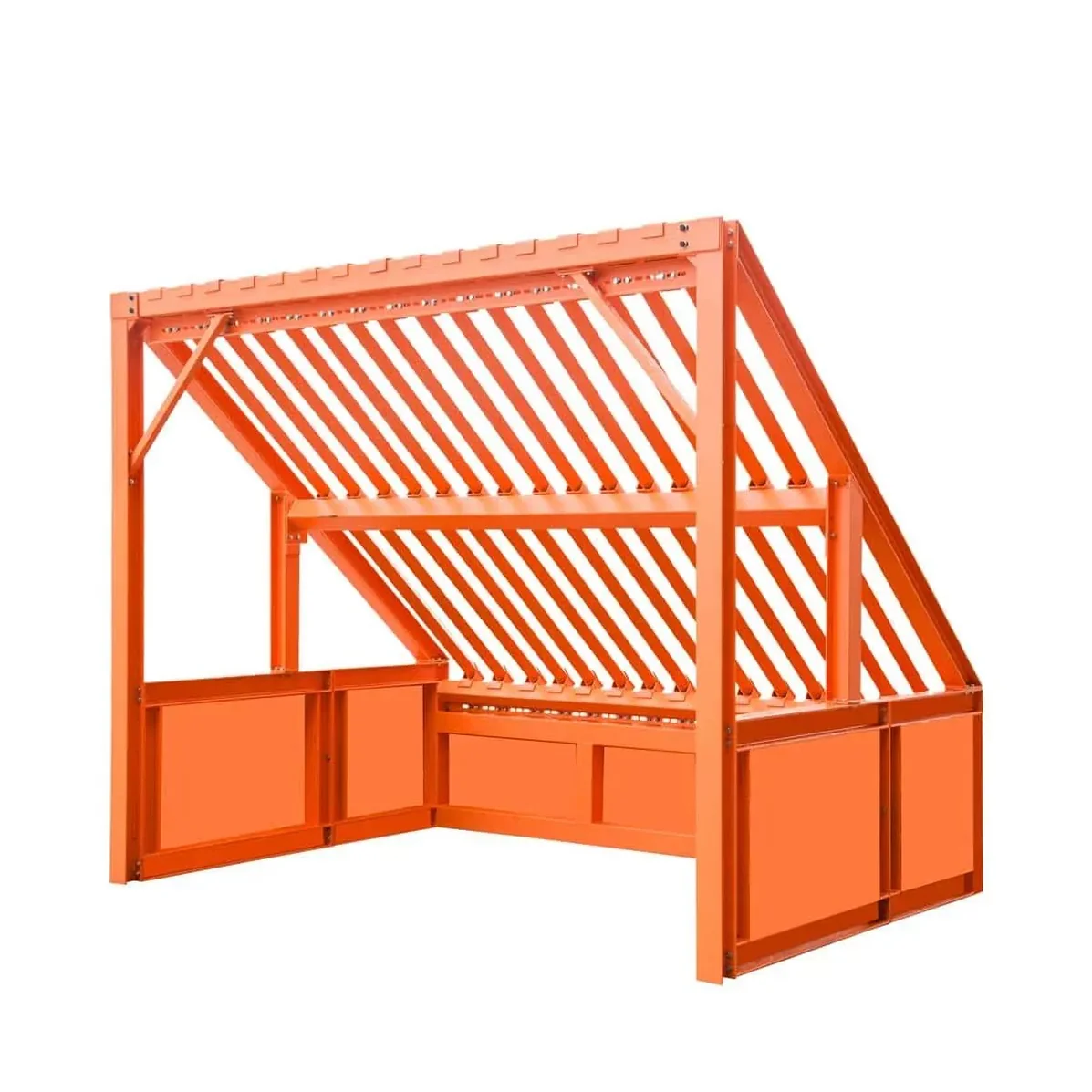
A grizzly is a sloping deck of parallel steel bars with a fixed gap between them. Material dropped onto the high end slides down the deck, anything smaller than the gap falls through, and anything larger rolls off the low end onto its own pile.
That gap decides the result. A wide setting passes gravel and small stones with the soil, suiting general fill, while a narrow setting keeps back more stone and leaves material closer to garden quality. Adjustable deck bars let the same frame produce both, depending on what the next job needs.
Why a static grizzly screen depends on the slope of its deck
With no vibration to shake material through, gravity does all the work, and the deck angle controls how long material stays on the bars. A steep deck clears rock quickly but carries fines over the end before they have a chance to drop.
A shallow deck gives soil more time to fall through, yet rocks slow down and begin to pile up, blocking the bars beneath them. The useful angle sits between those two failures, and it changes with the material, which is why an adjustable deck angle is easier to live with.
Moisture decides whether soil falls through or rides over
Dry, crumbly soil breaks apart as it slides and drops cleanly between the bars. Damp clay behaves differently, rolling into balls that are larger than the gap and travel off the end with the rock, taking good soil to the waste pile.
Screening a few days after rain, once the surface of the heap has dried, recovers noticeably more usable soil than working it straight after a downpour. Turning a wet stockpile once with the bucket and leaving it overnight speeds that drying.
Sorting screens by what moves the material across them
Every soil screener separates by size, but they differ in what pushes material over the screening surface. That difference sets their speed, their running cost, and how well each one copes with sticky or clay-rich ground.
- Static grizzly: gravity and slope, coarse separation
- Vibrating screen: shaking deck, finer and faster
- Trommel: rotating drum, tumbles clods apart
- Hand sieve: small batches, garden beds only
A grizzly screen suits coarse first-stage work, pulling out rocks before a finer topsoil screener, if one is used at all, handles the rest. For fill, pads and most paddock clearing, that first stage is often the only one the job actually needs.
Load low and let the rock roll
Dropping a full bucket of rock onto the bars from height bends them over time and throws stones well beyond the frame. Tipping close to the deck, and feeding steadily rather than all at once, protects the bars and keeps the separation even.
Anyone setting up a grizzly screen for excavator loading should also keep people clear of the discharge end, where rock leaves at speed.TMG Industrial lists its screens by deck size and bar adjustment, and matching deck size to bucket width is the first check.