
Every wellness cycle brings a new device that promises transformation, and most fade because the biology never supported the claim. Photobiomodulation stands apart because the mechanism has been studied under peer review for decades, first as low-level laser therapy in medical clinics and now as consumer LED panels within reach of everyday households. Understanding the science behind the glow is what separates an educated user from someone chasing trend cycles.
This article speaks to two audiences directly. The first is the curious wellness reader who wants to know whether the biology holds up before spending real money. The second is the current owner of a home panel who wants to run smarter sessions once the honeymoon phase wears off. Both benefit from a clear-eyed look at how photons interact with cells, what wavelengths actually accomplish inside skin and muscle, and how session parameters translate into measurable outcomes. Expect research grounded explanations without the jargon that keeps most published papers inaccessible.
How Photons Talk to Your Cells
The story starts inside your mitochondria, the small structures that produce most of the energy your cells use. A protein called cytochrome c oxidase sits in the inner mitochondrial membrane and drives the final step of cellular respiration. Under stress, that protein binds nitric oxide, which slows respiration and lowers ATP output. Red and near-infrared photons of the right energy displace that nitric oxide, releasing the brake and letting energy production accelerate.
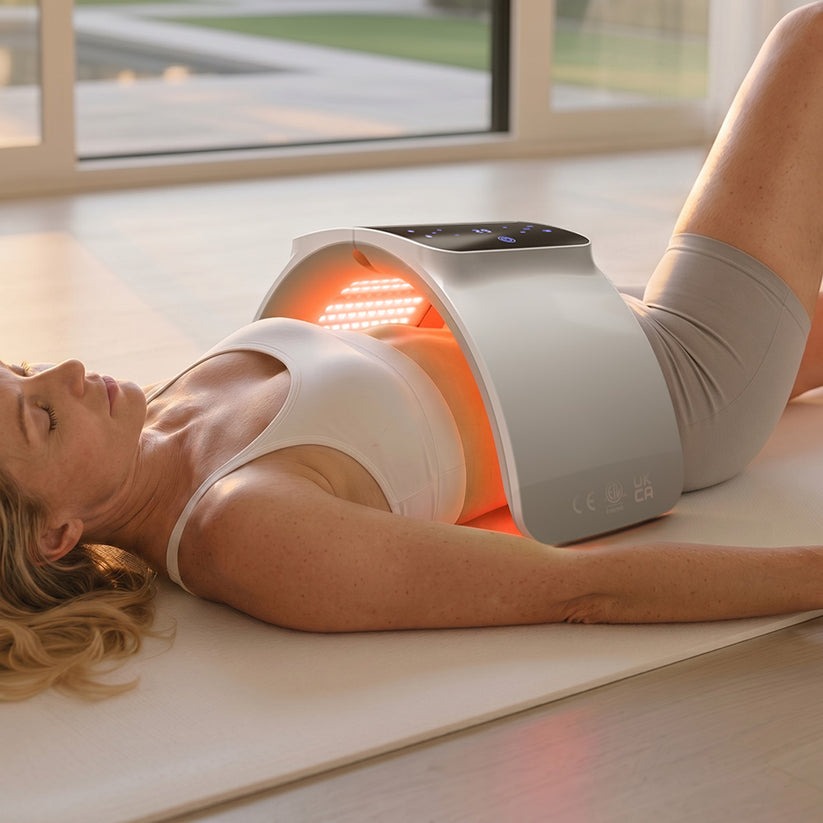
That mechanism is why photon led light therapy shows benefits across such varied conditions in the research literature. Anywhere mitochondria drive tissue repair, from skin fibroblasts producing collagen to muscle cells clearing metabolic waste, adding available energy speeds the process. The dose sits in a sweet spot, though: too little produces no measurable change, and too much triggers a biphasic response where benefits plateau and eventually reverse.
The Biphasic Dose Response
Researchers describe the light-tissue relationship as an inverted U. Sessions below the therapeutic threshold do nothing observable. Sessions in the middle range produce the results studies document. Sessions above the upper threshold reduce or reverse benefits, sometimes producing mild oxidative stress in tissues that were supposed to be recovering. That curve is why longer is not automatically better and why credible manufacturers recommend session times measured in minutes rather than hours.
What the Wavelengths Actually Do
Not every visible wavelength triggers photobiomodulation. Research has settled on a handful of bands with reliable effects, and understanding which does what helps you plan sessions around actual goals instead of copying templates from social media.
Red Light in the 630 to 670 Nanometer Range
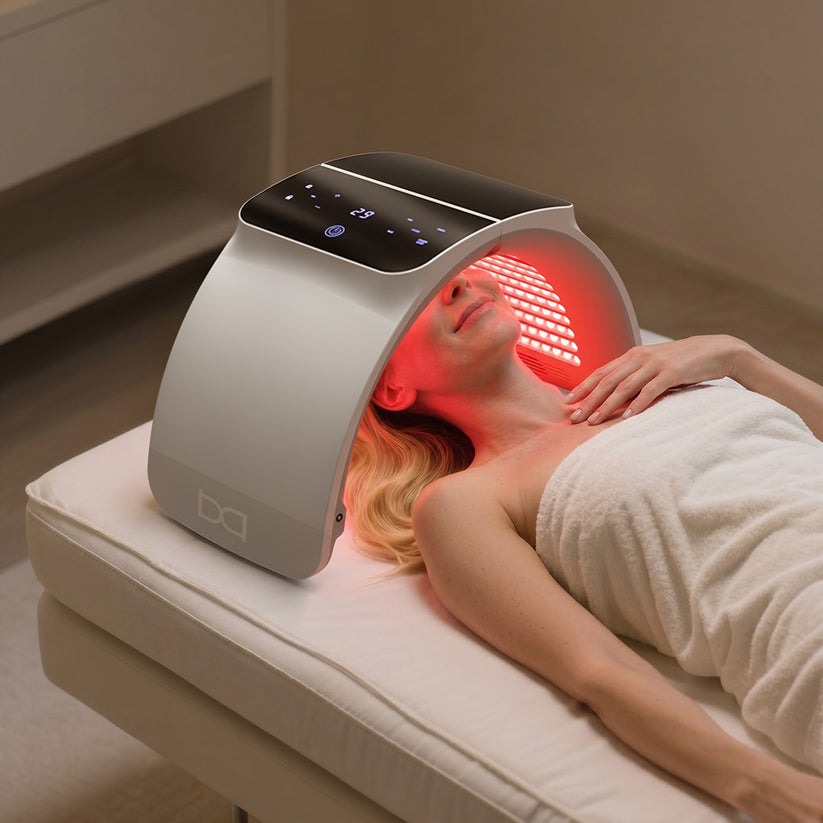
Red light penetrates roughly one to two millimeters into skin, which puts it in the ideal range for treating the epidermis and superficial dermis. The clinical literature documents effects on collagen synthesis, wound healing, and localized inflammation. Facial skin, hair follicles, and shallow scar tissue all sit within the reach of these wavelengths. Sessions targeting cosmetic outcomes almost always emphasize this band.
Near-Infrared Light in the 810 to 850 Nanometer Range
Near-infrared travels much farther, penetrating between three and five centimeters into muscle, joint capsule, and even bone. Studies on joint stiffness, muscle recovery, and neuroprotective applications rely almost exclusively on this band. Panels marketed for athletic recovery emphasize near-infrared coverage because superficial red simply does not reach the tissues that hurt after a hard training session.
Why Combined Panels Have Become the Standard
Because red and near-infrared serve different depths, most modern home panels blend both. That configuration produces a single-session product that supports skin health at the surface while also reaching muscle and connective tissue below. BestQool builds combined-wavelength arrays into its photon therapy line for exactly this reason, and the industry consensus has shifted toward dual-band delivery as the default rather than the premium option.
Session Design Backed by Research
Once you understand what the light does, planning sessions becomes a matter of matching dose to goal instead of guessing. The literature converges on a few practical parameters that translate well to at-home use.
Distance and Session Length
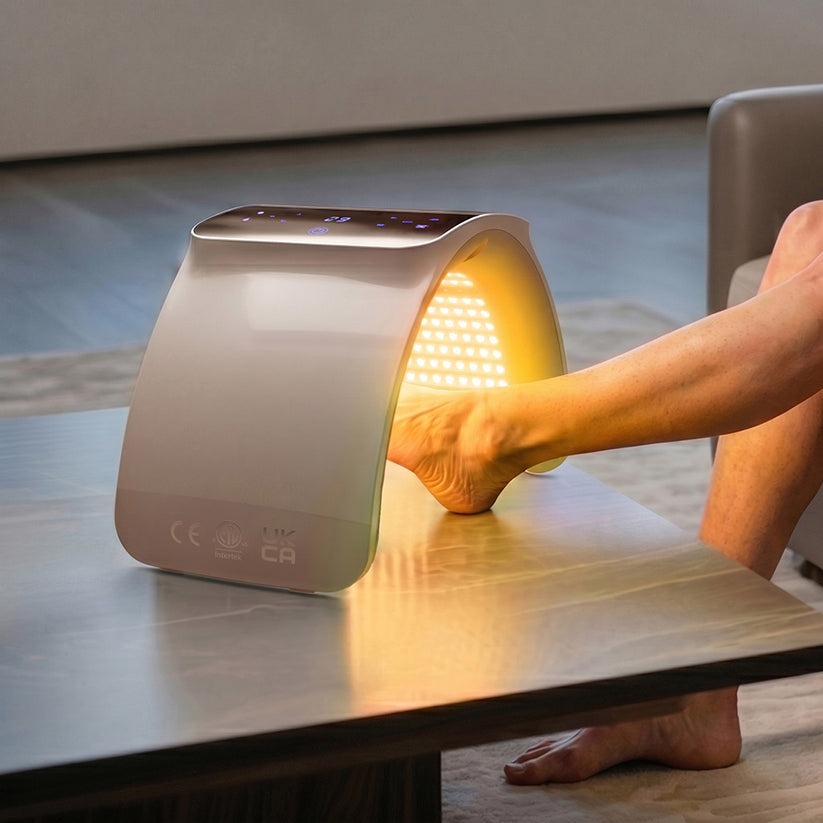
Effective dose depends on irradiance at the skin surface multiplied by exposure time. A panel producing 100 milliwatts per square centimeter at six inches delivers a joule per square centimeter every ten seconds. Sessions of ten to fifteen minutes at that intensity fall comfortably inside the therapeutic window for most tissues. Standing farther back lowers intensity, so session time must extend to maintain the same total dose.
Frequency Across the Week
Research on wound healing and muscle recovery typically uses three to five sessions per week for acute conditions and two to three sessions per week for maintenance. Daily use is not automatically better and can push cumulative dose past the top of the biphasic curve. Building the habit around a moderate weekly count usually produces stronger results than trying to force daily consistency.
Consistency Over Duration
The strongest predictor of measurable change in most studies is compliance with the protocol over four to twelve weeks. Users who complete twelve weeks of moderate sessions consistently outperform users who run intense sessions for two weeks and then drift. Plan the schedule around what you can actually keep, not around the most ambitious version you can imagine.
What the Research Does Not Yet Support
Being honest about the science means naming the areas where claims outpace evidence. Some marketing materials promise fat loss, dramatic hair regrowth timelines, or cures for serious medical conditions. The research on these topics is either mixed or preliminary, and treating those claims as settled science undermines the credibility of the well-supported benefits.
Cosmetic Claims Worth Trusting
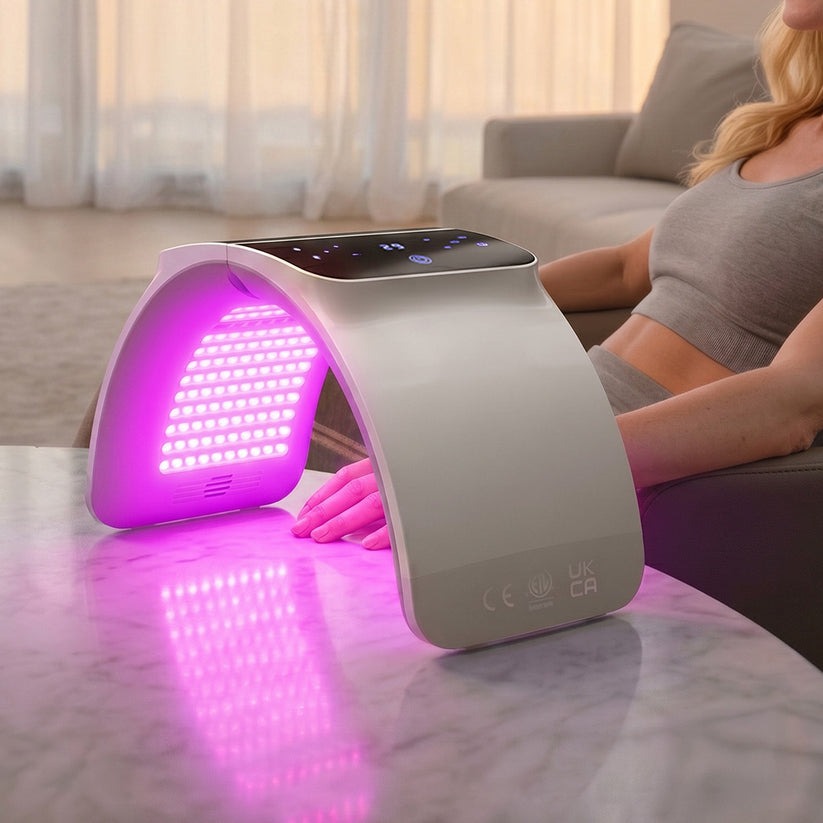
Skin texture, mild redness, superficial fine lines, and post-inflammatory marks respond consistently in the published literature. Improvements are gradual, showing up over weeks rather than days, but they are real and reproducible. Setting expectations around this timeline saves users from abandoning a protocol that was on track to work.
Recovery Claims Worth Trusting
Delayed onset muscle soreness, joint stiffness related to overuse, and localized inflammation from minor injuries all have research support. The effect is not a miracle cure but a meaningful reduction in symptoms and recovery time. Athletes who track soreness scores across weeks tend to notice a consistent downshift once the habit is established.
Claims That Deserve More Study
Sleep quality, mood, and cognitive performance are all active research areas with promising early results. Enough exists to justify curiosity, but not enough to promise outcomes. Treat these applications as experimental, track them separately from the well-supported benefits, and adjust expectations if the personal data does not match the marketing.
Using Photobiomodulation With Scientific Literacy
A home panel is a tool grounded in real biology, and treating it with the respect that biology deserves produces better outcomes than the hype-driven approach that dominates most social feeds. The mechanism is understood, the effective wavelengths are documented, and the therapeutic dose window is narrow enough to reward disciplined use. Once you internalize the biphasic curve and the wavelength distinctions, session design becomes an exercise in matching dose to goal rather than chasing intensity. Give a well-chosen device a full quarter of consistent use before drawing conclusions, track a couple of specific metrics like skin texture or morning stiffness, and let the numbers rather than the marketing tell you whether the protocol is working. Scientific literacy turns an interesting purchase into a durable habit that keeps paying dividends for years.