
The front door is the busiest part of most homes, and also the least supervised. Parcels arrive while you are at work, tradespeople knock during school pickup, and the only record of any of it is a missed knock and a card left in the letterbox. That gap is the reason doorstep cameras have moved from novelty to normal fixture in Australian homes and units.
What tends to surprise first-time buyers is how much the day-to-day experience depends on details that never appear on a spec sheet. Mounting height changes what the camera sees. Alert settings decide whether you check your phone gladly or start ignoring it. Storage choices determine whether footage is still available a fortnight later, when you actually need it.
This guide walks through those decisions in the order you will meet them: what the camera captures, how it gets power, how to keep notifications useful, and where recordings end up. The aim is a doorstep you can check in a few seconds, whether you rent a second-floor apartment or own a house with a long front path.
What a Doorstep Camera Actually Captures
Coverage at the entrance is a matter of geometry more than resolution. A lens mounted at chest height sees faces clearly and shows a visitor from roughly the shoulders down to the doormat. Move that same lens up above the door frame and you gain a wider view of the path but lose the detail that makes a person recognisable, because you are now looking at the tops of heads.
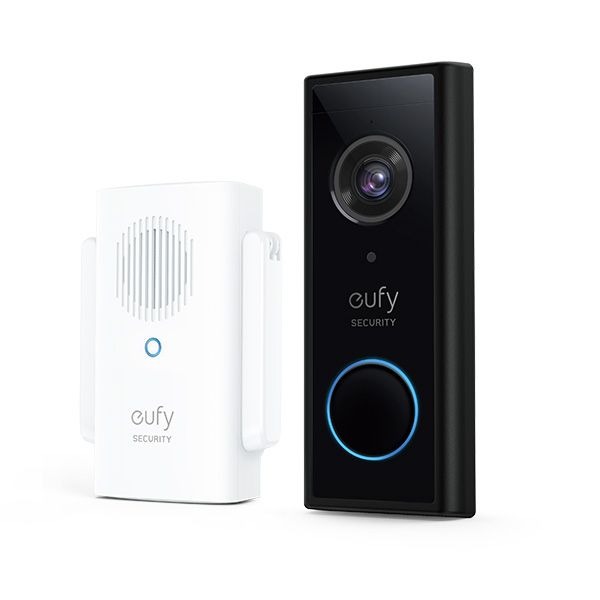
Aspect ratio matters just as much. A tall, portrait-shaped view suits a doorstep because the important things happen vertically: someone standing at the door, and a box placed on the ground in front of them. A wide, letterbox-shaped view fills the frame with the neighbour’s fence and the street, then crops out the parcel sitting at your feet.
Before choosing a video doorbell, stand where a courier would stand and take a photo with your phone at the height you plan to mount the unit. That single photo answers most questions about angle and framing faster than any comparison table.
The Blind Spot Below the Lens
Almost every complaint about doorstep footage traces back to the same thing: the ground directly beneath the camera is invisible. A courier who tucks a parcel against the wall to keep it out of the rain drops it straight into that dead zone. The clip shows an arm reaching down and nothing else, which is useless if the box later goes missing.
There are two practical fixes. The first is a wedge mount that tilts the unit downward by ten to fifteen degrees, which pulls the doormat into frame without sacrificing much of the path. The second is to move the mounting point sideways rather than upward, placing it beside the door frame so the lens looks across the landing at a slight angle. Combining both usually produces a view where a person and the ground they are standing on appear in the same shot.
Test the result with a cardboard box. Put it where deliveries normally land, pull up the live view, and adjust before you drive in the final screws.
Power Options and Rental-Friendly Installs
Wired units draw power from the existing chime circuit and never need charging, which is ideal if you own the property and already have a transformer behind the wall. The tradeoff is a fixed position: once the cable is run, moving the camera means patching plaster. Older Australian homes often have no doorbell wiring at all, which turns a simple install into an electrician’s visit.
Battery units invert that equation. They mount anywhere, come off the bracket for charging, and leave nothing behind when you move out. In exchange you accept a recharge every couple of months, more often if your entrance faces a busy footpath and the sensor triggers constantly. Cold snaps also shorten runtime, so a unit exposed to weather will need attention sooner than one under a covered porch.
Mounting Without Drilling
Renters have more options than lease terms suggest. Heavy-duty mounting tape holds a lightweight unit on a smooth, clean door frame, provided you press it firmly for a full minute and leave it to cure overnight before hanging anything on it. Painted timber is more forgiving than rendered brick, which sheds adhesive as its surface dust comes away.
A no-drill bracket that clamps over the door itself works on inward-opening doors and needs no surface contact at all. For apartment entrances, a small freestanding mount on a side table facing the door through the peephole gap is inelegant but effective and completely reversible.
Whichever route you take, photograph the original condition of the frame before installing. It takes ten seconds and settles any question about pre-existing marks at the end of a tenancy.
Keeping Alerts Useful Instead of Constant
A camera that notifies you about every passing car gets muted within a week, and a muted camera protects nothing. Tuning alerts is therefore not an optional refinement; it is the difference between a tool you trust and an app icon you swipe away.
Start with activity zones. Draw the detection area to cover the path from the gate to the door and exclude the footpath, the street, and any tree that moves in the wind. Then separate the alert types: a person at the door deserves a phone buzz, while a general motion event can sit quietly in the timeline for later review.
Households with children benefit from a second layer of tuning. Familiar-face recognition, where available, lets you skip notifications when your own family arrives home while still flagging strangers. Parents who want confirmation that a teenager made it back from school can invert the setting and receive an alert only for known faces during a fixed afternoon window. Both approaches cut volume dramatically, and the alerts that remain are ones worth reading.
Where Footage Lives and Who Can Reach It
Recordings sit either on the device, on a hub inside the house, or on a provider’s servers. Local storage keeps the file in your possession and works during an internet outage, which matters if your connection drops during storms. Cloud storage survives theft of the camera itself and makes sharing a clip with police or a delivery company straightforward.
Retention length deserves more thought than most buyers give it. Disputes about a missing parcel or a damaged gate often surface a week or two after the event, well past the point where a short rolling buffer has overwritten everything. Check how many days of continuous footage your setup actually holds at your chosen quality, then decide whether that window covers the way you use it.
Privacy has a neighbourly dimension too. Angle the view so it covers your entrance and your path rather than the interior of the house next door, and mention the camera to whoever shares your landing. Brands including eufy publish which recordings stay on the device and which travel off it, and reading that page before purchase avoids assumptions that are awkward to unwind later.
A Straightforward First Install
Work in a fixed order and the whole job takes an afternoon. Charge the unit fully indoors and complete app setup on your home network before it goes outside, because pairing is far easier at the kitchen bench than balanced on a step ladder. Check signal strength at the door with your phone while standing where the camera will sit; anything marginal calls for a mesh node in the front room rather than optimism.
Hold the bracket in place, view the live feed, and only then mark your screw holes. Fit the wedge if the doormat sits outside the frame. Once mounted, walk the full approach from gate to door at normal pace, watch the recording back, and adjust the detection zone to match what you saw. Finish by inviting the other adults in the household to the account so the doorstep is not dependent on one unlocked phone.
Doorstep Awareness Worth Keeping
Coverage at the front door comes down to a handful of physical decisions rather than a feature list. Mount low enough to capture faces, tilt far enough to include the ground where parcels land, and pick a power method that matches whether you own or rent. Those three choices settle most of the experience before the app is even open.
The remaining work is restraint. Draw tight activity zones, reserve phone alerts for people rather than passing traffic, and confirm that footage stays available long enough to be useful in a dispute weeks later. A doorstep camera earns its place when checking it feels effortless and its notifications still mean something after a month.
Start with the photo test at courier height, install in daylight, and walk the path once to confirm what the recording actually shows. Small verifications at the start prevent the common disappointment of discovering a blind spot only when something has already gone missing.