
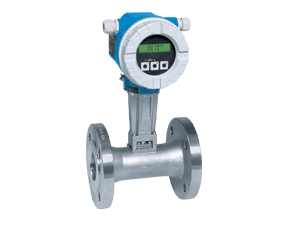
Natural gas is widely used for energy generation, industrial production, heating, transportation, and commercial applications. Because natural gas has significant economic value, accurately measuring the amount of gas moving through a pipeline or dispensing system is extremely important. A Natural Gas Flow Meter provides reliable measurement of gas flow and helps businesses monitor consumption, manage distribution, and maintain better control over their operations.
From industrial gas pipelines to compressed natural gas (CNG) facilities, flow measurement technology plays an important role in maintaining efficiency and accurate billing. Selecting the right meter requires an understanding of gas properties, operating conditions, flow range, pressure, and the specific application.
What Is a Natural Gas Flow Meter?
A Natural Gas Flow Meter is an instrument designed to measure the volume or mass of natural gas passing through a pipeline or gas delivery system. Depending on the technology used, the meter can measure flow using principles such as turbine rotation, ultrasonic signals, differential pressure, or positive displacement.
Natural gas flow meters are commonly installed at points where gas enters or leaves a facility. They may be used for custody transfer, consumption monitoring, process control, equipment management, and gas distribution.
The meter provides important information about how much gas is being transported or consumed. In commercial and industrial environments, this information can help organizations control operating costs and identify unusual consumption patterns.
Why Accurate Natural Gas Measurement Matters
Accurate gas measurement is essential because natural gas is often purchased, transported, and sold according to measured quantities. Even small measurement differences can become financially significant when large volumes are involved.
For industrial users, accurate measurement can also improve energy management. By monitoring gas consumption, businesses can compare actual usage with production output and identify opportunities to improve efficiency.
Reliable flow measurement can also support equipment protection. Unexpected changes in gas flow may indicate leaks, blockages, pressure problems, or equipment malfunctions. Monitoring the flow rate allows operators to investigate potential problems before they become more serious.
Natural Gas Flow Meter for CNG Stations
A natural gas flow meter for CNG station applications is designed to operate in environments where compressed natural gas is stored, transported, and dispensed at high pressure. CNG stations require accurate measurement because gas is delivered to vehicles through specialized dispensing systems.
CNG flow measurement can be used for monitoring the quantity of gas dispensed, managing station operations, and supporting accurate transactions. The meter must be selected according to the station’s pressure, flow rate, temperature, connection configuration, and measurement requirements.
Because CNG systems operate under high-pressure conditions, the flow meter and associated components must be appropriate for the operating environment. Proper installation and compliance with applicable technical and safety requirements are essential.
Common Types of Natural Gas Flow Meters
Different flow measurement technologies are available for natural gas applications. Each type offers particular advantages depending on the operating conditions.
Turbine flow meters use a rotating element that moves as gas passes through the meter. The rotational speed is related to the flow rate. These meters can provide accurate measurement when properly selected and installed.
Ultrasonic flow meters use sound waves to determine gas velocity. They can offer advantages such as no moving parts and relatively low pressure loss, making them useful for various industrial applications.
Positive displacement flow meters measure gas by repeatedly trapping and releasing specific volumes. This technology can be useful when accurate volumetric measurement is required.
Differential pressure flow meters calculate flow based on pressure differences created by a flow restriction. They are widely used in industrial systems and can be suitable for different pipeline configurations.
The most appropriate technology depends on factors such as pressure, temperature, required accuracy, pipe size, flow range, and installation conditions.
Important Factors When Choosing a Gas Flow Meter
Choosing a suitable flow meter requires more than simply selecting a meter based on pipe size. The expected minimum and maximum flow rates should first be identified. A meter should operate effectively across the required range without compromising measurement accuracy.
Gas pressure and temperature are also important. Natural gas properties can change with pressure and temperature, so the measurement system may need compensation to provide useful standardized readings.
The type of output should also be considered. Modern flow meters may provide digital signals, pulse outputs, communication interfaces, or other options for integration with monitoring and control systems.
Installation requirements should not be overlooked. Straight pipe lengths, flow direction, filtration, valves, regulators, and other components can influence measurement performance depending on the meter technology.
Benefits for Industrial and Commercial Operations
A properly selected natural gas flow meter can provide several operational benefits. Accurate measurement helps companies monitor energy consumption and improve resource management.
Flow data can also support maintenance and troubleshooting. If gas usage suddenly increases without a corresponding change in production, operators may investigate possible leaks or equipment problems.
In automated facilities, digital flow meters can provide continuous information to control systems. This allows operators to monitor consumption in real time and make decisions based on current operating conditions.
For gas distribution and commercial applications, reliable measurement can also improve transparency between suppliers and customers. Accurate data provides a better basis for tracking delivered and consumed gas quantities.
Installation and Maintenance Considerations
Correct installation is essential for obtaining reliable flow measurements. The meter should be installed according to the manufacturer’s recommendations and the requirements of the particular gas system.
Operators should also consider regular inspection and maintenance. Connections, seals, valves, filters, and other components should be checked as appropriate for the system. Any signs of damage, unusual pressure behavior, or unexpected measurement changes should be investigated.
Calibration can also be important, particularly for applications where measurement accuracy directly affects financial transactions or process control. The appropriate calibration schedule depends on the meter, application, operating conditions, and applicable requirements.
Supporting CNG and Natural Gas Infrastructure
The growing use of natural gas and CNG requires dependable measurement equipment throughout the supply chain. Gas may move through production facilities, storage systems, pipelines, compression equipment, and dispensing stations before reaching the final user.
At each stage, accurate flow information can help operators understand how much gas is being transferred and how efficiently the system is operating. For CNG stations in particular, reliable measurement is an important component of a controlled and organized dispensing system.
Conclusion
A Natural Gas Flow Meter is an important component of modern gas measurement systems. It allows operators to monitor natural gas movement, manage consumption, support process control, and improve operational efficiency.
For CNG facilities, selecting the right natural gas flow meter for CNG station applications requires careful consideration of pressure, flow range, temperature, accuracy, installation conditions, and communication requirements. Whether used in an industrial pipeline, commercial facility, or CNG dispensing system, a properly selected and maintained flow meter can provide valuable data for safer, more efficient, and better-managed gas operations.