
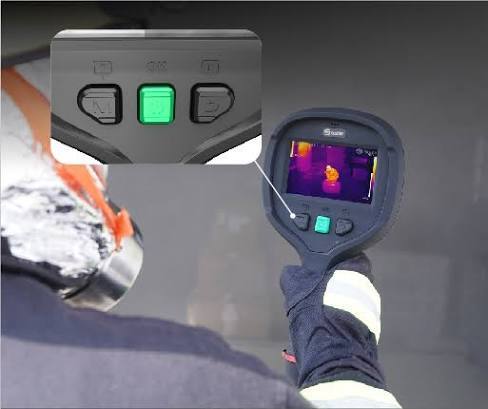
Firefighters operate in dangerous environments where visibility is often limited by thick smoke, darkness, and extreme heat. In these situations, having reliable thermal imaging equipment can make the difference between a successful rescue and a missed opportunity. A high resolution firefighting thermal camera provides clear thermal images that help firefighters identify heat sources, locate victims, and make informed decisions during emergency operations.
Modern fire departments rely on advanced thermal imaging technology to improve safety, speed, and efficiency. A rugged firefighter thermal camera is specifically designed to withstand harsh firefighting conditions, including high temperatures, water exposure, and accidental impacts. Guide Sensmart develops thermal imaging solutions that help emergency responders perform their duties with greater confidence and precision.
Why High-Resolution Thermal Imaging Matters
Thermal cameras detect infrared radiation instead of visible light, allowing firefighters to see heat signatures even when smoke blocks normal vision. Higher image resolution produces sharper thermal images, making it easier to distinguish people, structural hazards, and hidden fire sources.
The improved image quality reduces guesswork during emergency operations. Firefighters can quickly identify critical areas, prioritize rescue efforts, and avoid unnecessary risks.
Search and Rescue Operations
One of the most valuable applications of thermal imaging is locating victims trapped inside burning buildings. Thick smoke often makes traditional search methods slow and dangerous.
A high-resolution thermal camera helps firefighters identify human heat signatures through smoke and darkness. Victims who may otherwise remain hidden behind furniture, walls, or debris become easier to locate.
High-resolution images also allow rescue teams to distinguish between people, hot equipment, and surrounding fire, reducing false identifications during urgent rescue missions.
Locating Hidden Fire Hotspots
Fires frequently spread into concealed spaces such as ceilings, walls, attics, and flooring. These hidden hotspots may continue burning after visible flames have been extinguished.
A high resolution firefighting thermal camera enables firefighters to detect abnormal heat patterns inside structures without immediately opening walls or ceilings.
Early hotspot detection offers several benefits:
Faster Fire Suppression
Firefighters can attack hidden fires before they spread to larger areas, reducing property damage and preventing fire re-ignition.
Reduced Structural Damage
Instead of tearing down large sections of walls, firefighters can focus only on areas showing elevated temperatures.
Improved Operational Efficiency
Crews spend less time searching for concealed fires and more time completing suppression activities safely.
Structural Safety Assessment
Buildings exposed to intense heat may suffer structural damage that is not immediately visible. Weak floors, overheated beams, and unstable ceilings can create serious hazards for emergency responders.
Thermal imaging helps firefighters monitor temperature differences throughout a structure. Extremely hot areas often indicate weakened construction materials or ongoing fire activity.
Using thermal cameras during interior operations allows incident commanders to make safer tactical decisions while protecting personnel from unexpected structural failures.
Wildland Fire Monitoring
Wildland and forest fires can spread rapidly over large areas. Firefighters need to identify active flames, underground hotspots, and areas at risk of reignition.
A rugged firefighter thermal camera performs reliably in challenging outdoor environments where dust, moisture, and rough handling are common.
Thermal imaging supports wildland firefighting by:
- Detecting hidden ground fires
- Locating burning tree roots
- Monitoring fire spread
- Identifying remaining hotspots after containment
- Supporting overnight patrol operations
These capabilities help crews control fires more efficiently while reducing the likelihood of flare-ups.
Vehicle Fire Response
Vehicle fires involve engines, fuel systems, batteries, and electrical components that generate significant heat. Firefighters must determine which areas present the greatest danger before beginning suppression efforts.
Thermal cameras allow responders to inspect:
Engine Compartments
High temperatures can reveal where fire is spreading inside the engine.
Electric Vehicle Batteries
Thermal imaging helps monitor battery temperatures and identify thermal runaway risks during electric vehicle incidents.
Fuel Tank Areas
Firefighters can evaluate surrounding temperatures before approaching hazardous fuel systems.
Hazardous Materials Incidents
Chemical spills and hazardous material emergencies often involve invisible dangers. Certain substances generate heat through chemical reactions or leak from damaged containers.
Thermal imaging assists firefighters by locating:
- Overheated storage tanks
- Leaking pressurized containers
- Heat-producing chemical reactions
- Equipment at risk of failure
By identifying temperature abnormalities early, emergency teams can establish safer operational zones.
Overhaul Operations
Even after visible flames are extinguished, hidden embers may continue burning inside walls, ceilings, insulation, or furniture.
Overhaul is the process of confirming that a fire has been completely extinguished. Thermal imaging significantly improves this stage.
A high resolution firefighting thermal camera allows firefighters to scan the entire structure for remaining hotspots without unnecessary demolition.
This improves efficiency while minimizing property damage and reducing the chance of fire rekindling.
Fire Investigation Support
After a fire is under control, investigators examine the scene to determine the origin and cause of the incident.
Thermal imaging supports investigations by identifying:
Residual Heat Patterns
Remaining hot areas can indicate where the fire burned most intensely.
Burn Progression
Temperature variations help investigators understand how the fire spread through the structure.
Equipment Inspection
Electrical systems, appliances, and machinery can be examined for signs of overheating.
These insights contribute to more accurate fire investigations.
Industrial Fire Protection
Factories, warehouses, power plants, and manufacturing facilities often contain complex machinery operating at high temperatures.
Firefighters responding to industrial emergencies use thermal imaging to inspect:
- Electrical panels
- Conveyor systems
- Industrial motors
- Boilers
- Mechanical equipment
Early identification of overheating components helps reduce fire damage and improve worker safety.
Nighttime Emergency Operations
Many emergencies occur after sunset when visibility is naturally reduced.
Unlike standard flashlights, thermal cameras do not depend on ambient light. Instead, they detect heat signatures regardless of lighting conditions.
This capability allows firefighters to perform nighttime:
- Building searches
- Outdoor rescues
- Wildland fire patrols
- Equipment inspections
- Hazard assessments
Thermal imaging provides clear situational awareness even in complete darkness.
Firefighter Safety
Protecting firefighters remains one of the most important uses of thermal imaging technology.
A rugged firefighter thermal camera helps emergency responders recognize dangerous conditions before they become life-threatening.
Examples include:
Identifying Flashover Conditions
Rapid temperature increases may indicate that flashover is becoming likely.
Monitoring Escape Routes
Firefighters can ensure exits remain passable during changing fire conditions.
Detecting Hidden Hazards
Thermal imaging reveals overheated equipment, weakened structures, and concealed fires that may otherwise go unnoticed.
These capabilities reduce operational risks while improving firefighter confidence.
Why Durability Is Essential
Firefighting equipment must continue operating despite exposure to extreme environments.
A rugged thermal camera is built to resist:
- High temperatures
- Water exposure
- Dust and debris
- Heavy impacts
- Continuous field use
Reliable performance ensures firefighters can depend on their equipment during critical emergency situations.
Guide Sensmart Thermal Imaging Solutions
Guide Sensmart develops professional thermal imaging solutions designed to meet the demanding requirements of modern fire departments. Their thermal cameras combine advanced imaging technology with durable construction, allowing emergency responders to operate effectively in smoke-filled, high-temperature, and hazardous environments.
Whether performing search and rescue, hotspot detection, structural assessment, or overhaul operations, Guide Sensmart thermal imaging devices deliver clear thermal images that improve decision-making while enhancing firefighter safety. Their focus on image quality, reliability, and rugged performance makes them a trusted choice for professional firefighting applications.
Conclusion
Thermal imaging has become an indispensable tool for modern firefighting. From locating trapped victims and hidden fire hotspots to monitoring structural safety and supporting hazardous material incidents, the applications continue to expand as technology improves. A high resolution firefighting thermal camera enables firefighters to make faster and more informed decisions, while a rugged firefighter thermal camera ensures dependable performance under the toughest emergency conditions. By investing in advanced thermal imaging solutions from Guide Sensmart, fire departments can enhance operational efficiency, improve rescue success, reduce property damage, and most importantly, protect the lives of both firefighters and the communities they serve.