
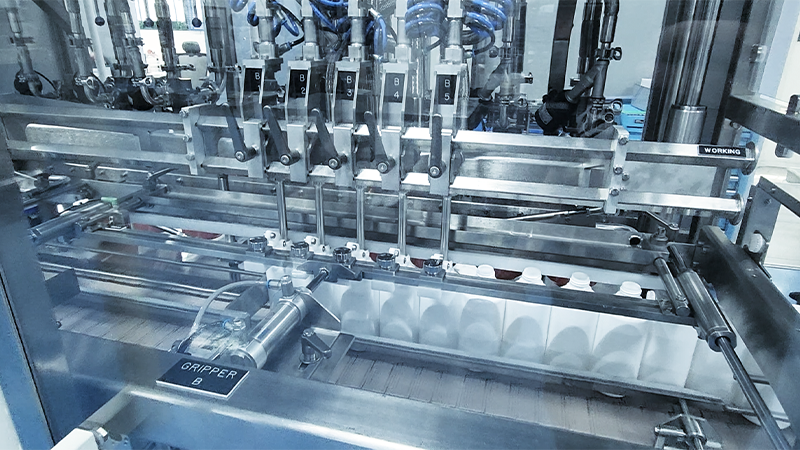
Food manufacturers face constant pressure to increase output while maintaining hygiene and accuracy. Manual filling of viscous products like honey, sauces, and jams is slow and inconsistent. A dedicated paste filling machine transforms this process into a fast, precise, and hygienic operation. Choosing the right machine is one of the most impactful investments a food producer can make.
This guide walks through the key technical and operational factors to evaluate before purchasing. From viscosity handling to filling accuracy and automation level, every factor matters significantly. Understanding these elements will help you select the machine that best fits your production requirements. The right choice reduces labor costs, minimizes waste, and improves product consistency across every batch.
What Is a Paste Filling Machine?
A paste filling machine is specialized packaging equipment designed for thick, viscous products. It precisely measures and deposits set volumes of paste-like substances into containers. Target products include honey, hot sauce, tomato paste, jam, peanut butter, creams, and gels. These machines handle products that would jam or clog standard liquid filling equipment.
The primary function is dispensing precise, consistent quantities of product into bottles, jars, pouches, or tubes. Accuracy and speed are the two key performance metrics that define machine value. Modern paste fillers achieve accuracy within plus or minus one percent of the target fill weight or volume. This precision directly reduces product giveaway and improves profitability over time.
ZONESUN’s range of paste filling machine options includes manual, semi-automatic, and fully automatic models designed specifically for edible paste products in food production environments.
Understanding Product Viscosity Requirements
Viscosity is the single most important property to understand when choosing a paste filler. Products range from thin honey at low viscosity to thick peanut butter at extremely high viscosity. Different filling mechanisms perform optimally within specific viscosity ranges. Selecting a machine designed for your product’s viscosity range ensures reliable, accurate performance.
Piston pump fillers are the most versatile choice for medium to high viscosity pastes. The piston draws product into a cylinder and pushes it out through a nozzle under controlled pressure. This mechanism handles chunky products with particles, such as fruit jams with whole pieces. Piston fillers maintain accuracy even when product viscosity varies between batches.
Rotor lobe pump fillers work well for very thick, sticky products with a smooth consistency. The counter-rotating lobes move product gently without degrading texture or particle structure. This is particularly important for premium products where visual quality in the jar matters. Gear pump fillers handle thin-to-medium viscosity pastes with extremely high speed and accuracy.
Levels of Automation: Manual, Semi-Automatic, and Automatic
Manual paste fillers are operated entirely by the user, typically using a foot pedal or hand lever. They are ideal for very small production volumes, startups, and artisan food producers. Output rates are typically 5 to 20 containers per minute depending on operator speed. The low cost and simplicity of manual fillers make them an attractive entry point into mechanized filling.
Semi-automatic fillers automate the dispensing process but still require an operator to position containers. The operator places each container under the nozzle and activates the fill cycle manually or by foot pedal. Output rates of 15 to 40 containers per minute are achievable with a skilled operator. Semi-automatic machines offer an excellent balance of cost and productivity for mid-scale operations.
Fully automatic paste filling machines handle everything from container infeed to filled container discharge. Servo motors, sensors, and programmable logic controllers manage every step of the process. Modern automatic systems can fill 60 to 200 containers per minute depending on fill size and product. These systems deliver maximum throughput and labor savings for high-volume food production operations.
Hygienic Design and Food Safety Standards
Food-contact surfaces must comply with applicable food safety regulations in your market. All parts that touch your product should be made from 304 or 316 grade stainless steel. PTFE and food-grade silicone seals are the correct material choice for all internal gaskets. Materials that corrode, absorb flavors, or leach chemicals are completely unacceptable in food applications.
Anti-drip nozzle design is critical for maintaining a clean filling environment. A dripping nozzle contaminates container exteriors and the filling area, creating hygiene risks. Quality paste fillers include spring-loaded or valve-controlled nozzles that cut off cleanly after each fill. Easy nozzle disassembly without tools is also essential for fast and thorough cleaning between product changeovers.
Clean-in-place (CIP) capability is highly desirable for high-volume food production environments. CIP systems allow the filler’s internal passages to be cleaned with flushing solution without full disassembly. This dramatically reduces sanitation time and improves cleaning consistency. Food manufacturers dealing with allergens or multiple products in one machine especially benefit from CIP capability.
Filling Accuracy and Its Impact on Profitability
Filling accuracy directly impacts your bottom line through product giveaway and regulatory compliance. Overfilling by just two percent on a high-value product like manuka honey costs thousands annually. Underfilling creates legal compliance problems and damages consumer trust in your brand. A precision paste filler pays for itself quickly through eliminated giveaway and reduced waste.
Servo motor-driven piston systems typically achieve the highest filling accuracy available. Servo systems can be programmed to within 0.1ml increments and maintain consistency across millions of cycles. Pneumatic piston systems are slightly less precise but still deliver excellent performance at lower equipment cost. Electronic controls with digital displays allow operators to adjust and monitor fill volume precisely.
Container Compatibility and Flexibility
Consider the range of container types and sizes your machine must handle now and in the future. Machines with adjustable nozzle heights and quick-change tooling minimize downtime during size changeovers. If you package the same product in multiple container sizes, changeover speed matters enormously for production efficiency. Plan for the full range of containers you may ever need to fill when specifying your machine.
Diving nozzles are preferred for filling tall, narrow-mouthed containers to prevent foam and splashing. The nozzle descends into the container and rises as the fill progresses, keeping the nozzle submerged. Bottom-up filling prevents aeration of sensitive products like natural honey and preserves visual clarity. Always match nozzle configuration to your specific container and product combination for best results.
Choosing a Reliable Manufacturer
A paste filling machine is a long-term capital investment that must perform reliably for years. Choose a manufacturer with demonstrated experience in food-grade filling machine production. Verify they provide comprehensive documentation, spare parts availability, and responsive technical support. A machine with no parts supply or technical backup is a serious operational liability for any food business.
ZONESUN Technology has built a strong reputation in the food packaging machinery market globally. Their edible paste filling machines are engineered for food safety, operational reliability, and ease of maintenance. With a broad range of models from manual to fully automatic, they serve businesses at every production scale. Detailed machine specifications and responsive customer support make them a trusted partner for food manufacturers worldwide.