
Living off the grid is no longer a distant dream for homeowners worldwide. A reliable power system starts with choosing the right inverter. This decision directly affects your energy independence and daily comfort. Getting it wrong means poor performance, wasted money, and unnecessary frustration.
This guide breaks down what you need to know before making a purchase. From system sizing to efficiency ratings, each factor plays a critical role. Understanding these basics will help you invest wisely in your energy future. A well-chosen inverter is the backbone of any successful off-grid solar system.
What Is an Off-Grid Solar Inverter?
An off-grid solar inverter converts DC power from solar panels into usable AC electricity. Unlike grid-tied systems, off-grid systems operate completely independently from the utility grid. The inverter works alongside batteries to store and supply power around the clock. Without a quality inverter, your solar energy cannot power standard household appliances.
Most modern off-grid inverters also include built-in MPPT charge controllers. MPPT technology maximizes the energy harvested from your solar panels at all times. This feature alone can improve system efficiency by 15 to 30 percent. It is one of the most important technical advantages to look for in any inverter.
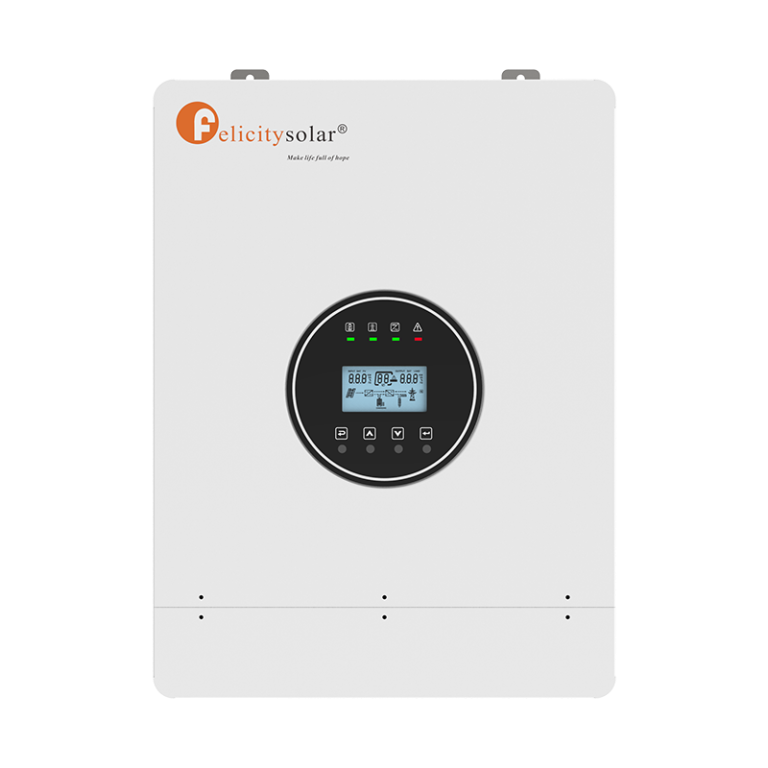
Leading manufacturers like Felicity Solar produce inverters that combine multiple functions in one unit. Their units integrate inverter, MPPT charger, and battery charger functionality seamlessly. This all-in-one design simplifies installation and reduces equipment costs significantly. For a quality off-grid solar inverter, Felicity Solar offers a range from 1KW to 10KW to suit any household.
Key Factors to Consider When Choosing an Inverter
The first factor is your total energy consumption, measured in watts or kilowatt-hours per day. Add up all appliances and devices you intend to run simultaneously. Include startup surge loads for motors, compressors, and pumps as well. Your inverter’s rated capacity must comfortably exceed your peak power demand at all times.
Battery voltage compatibility is another critical consideration before purchasing. Common voltage options include 12V, 24V, and 48V battery systems. Higher voltage systems are more efficient and experience fewer energy losses during conversion. Most large residential off-grid systems operate on 48V for optimal performance.
Inverter efficiency ratings indicate how much input energy is converted into usable output power. Top-quality inverters typically achieve efficiency ratings between 90 and 97 percent. Even a small efficiency improvement translates into significant energy savings over years of operation. Always prioritize high-efficiency units when comparing models.
Understanding Pure Sine Wave vs. Modified Sine Wave
Pure sine wave inverters produce power that closely mirrors utility grid electricity. This quality is essential for sensitive electronics, medical equipment, and modern appliances. Most premium off-grid inverters produce pure sine wave output for maximum compatibility. Running sensitive devices on anything less risks damage and poor performance.
Modified sine wave inverters are cheaper but create power with a stepped, less refined waveform. While they work with basic resistive loads like simple heating elements, they cause problems for many devices. Motors run hotter and less efficiently on modified sine wave power. For whole-home off-grid systems, pure sine wave is the only responsible choice.
The Role of MPPT Charge Controllers
Maximum Power Point Tracking technology is a sophisticated algorithm built into quality inverters. It continuously monitors solar panel output and adjusts load to harvest maximum energy. This is particularly valuable on partly cloudy days when panel output fluctuates constantly. MPPT controllers outperform older PWM technology in nearly every real-world condition.
When shopping for an inverter, confirm the MPPT controller’s maximum charging current capacity. Higher amperage controllers support larger battery banks and faster charging cycles. Also verify the maximum PV input voltage the controller can safely accept. Matching these specifications to your solar array size is essential for a safe and efficient system.
Battery Compatibility and System Integration
Modern off-grid inverters must be compatible with both lithium and lead-acid battery chemistries. Lithium iron phosphate (LiFePO4) batteries offer longer cycle life and deeper discharge capability. Lead-acid batteries remain common due to their lower upfront cost and wide availability. Confirm your inverter supports the battery type you plan to use.
Many inverters now include built-in battery management system (BMS) communication protocols. This feature allows the inverter to communicate directly with lithium battery packs. The result is safer charging, better battery health monitoring, and longer battery lifespan. This integration is a hallmark of premium off-grid inverter design.
Installation Tips and Safety Considerations
Always follow the manufacturer’s wiring diagrams and specifications during installation. Incorrect wiring is the most common cause of inverter damage and fire risk. Use appropriately sized cables rated for your system’s maximum current draw. Proper cable sizing minimizes voltage drop and maintains system efficiency under load.
Inverter placement matters significantly for both performance and safety. Install the unit in a cool, ventilated space away from direct sunlight and moisture. Most inverters use cooling fans that need adequate airflow to function properly. Regular inspection of connections and cable integrity will extend the system’s operational life.
Choosing a Trusted Manufacturer
Your inverter is only as reliable as the company that builds it. Look for manufacturers with ISO certification, international export experience, and verifiable warranty policies. Felicity Solar, founded in 2007, has over 18 years of experience producing solar energy products. Their inverters are deployed across more than 80 countries on multiple continents.
A reliable manufacturer also provides responsive pre-sale and after-sale technical support. When issues arise in the field, quick expert guidance prevents costly downtime. Choose a brand that maintains local or regional support networks in your area. Long-term product support is as important as the product quality itself.