
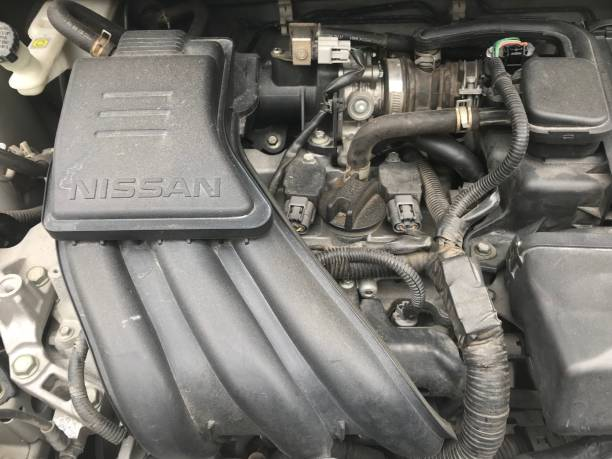
When it comes to staying comfortable on the road, few components are as important as your Nissan aircon compressor. Often referred to as the “heart” of the air conditioning system, the compressor keeps refrigerant flowing, ensuring that cool, refreshing air reaches your cabin even on the hottest days. Without it, your air conditioning system simply cannot function.
In this article, we’ll explore how the Nissan AC compressor works, its role in refrigerant circulation and cooling, its vital connection to the condenser and evaporator, what happens when it fails, and why replacing it restores your vehicle’s comfort and efficiency.
How an AC Compressor Works in a Nissan
At its core, the AC compressor in your Nissan functions much like a pump. Its main job is to compress low-pressure refrigerant gas into a high-pressure, high-temperature state. Once compressed, this refrigerant is sent through the air conditioning system, where it eventually cools down and absorbs heat from inside the cabin.
Here’s a simple step-by-step overview of the process:
- Intake of Refrigerant Gas – The compressor pulls in low-pressure refrigerant gas from the evaporator.
- Compression – Inside the compressor, pistons or rotary mechanisms compress the gas into a high-pressure state.
- Transfer to Condenser – The high-pressure gas is pushed out to the condenser, where it starts the cooling process.
- Continuous Cycle – This process repeats, keeping refrigerant flowing throughout the system.
This compression stage is what powers the entire cooling cycle. Without the Nissan aircon compressor functioning correctly, the refrigerant cannot circulate, and no cooling will occur inside your vehicle.
Role in Refrigerant Circulation and Cooling
Think of refrigerant as the “blood” of your Nissan’s cooling system and the Nissan AC compressor as the heart. Just as the human heart pumps blood through veins and arteries, the compressor circulates refrigerant through the AC system.
The refrigerant absorbs heat from inside the cabin and releases it outside. This continuous circulation keeps your car’s interior comfortable, even in extreme temperatures.
- High-Pressure Flow – By compressing the refrigerant, the compressor allows it to flow efficiently through the condenser and evaporator.
- Heat Transfer – The refrigerant carries heat out of the cabin, expelling it into the environment.
- Consistent Cooling – A properly working compressor maintains the correct refrigerant pressure levels, ensuring consistent cooling performance.
Without circulation, refrigerant remains stagnant, and the entire aircon system becomes ineffective.
Connection to Condenser, Evaporator, and Cabin Comfort
The Nissan aircon compressor doesn’t work alone—it’s part of a larger system made up of several critical components. Each plays a role in transferring heat and ensuring cool air reaches you in the cabin.
1. Condenser
After the compressor pressurises the refrigerant, it enters the condenser. Here, the refrigerant releases heat to the outside air and changes from a gas into a liquid. Without the compressor pushing refrigerant forward, this process wouldn’t begin.
2. Expansion Valve or Orifice Tube
Next, the refrigerant passes through an expansion valve (or orifice tube in some Nissan models). This regulates how much refrigerant enters the evaporator, reducing pressure and cooling it down even further.
3. Evaporator
Inside the cabin, the evaporator absorbs heat from the air. The blower fan pushes cabin air across the evaporator coils, cooling it before circulating it back into the car. This is where you feel that refreshing cold air on a hot day.
4. Cabin Comfort
Ultimately, it’s the teamwork between these components—driven by the Nissan AC compressor—that keeps you comfortable. A failing compressor breaks this cycle, resulting in warm air, poor cooling, and a less enjoyable driving experience.
What Happens When the Nissan Aircon Compressor Fails
Because the compressor is so vital, its failure quickly becomes noticeable. Here are the most common issues you may experience:
- Warm Air from Vents – With no compression, refrigerant cannot circulate, and the system blows only warm or ambient air.
- Unusual Noises – Grinding, squealing, or rattling noises often indicate worn bearings or internal damage.
- Leaking Refrigerant – Seals and gaskets inside the compressor can wear out, leading to refrigerant leaks.
- Clutch Failure – The compressor clutch may stop engaging, preventing the compressor from activating at all.
- System Contamination – A broken compressor can release metal particles into the system, potentially damaging other components like the condenser and evaporator.
Ignoring these warning signs can lead to further damage and more expensive repairs. Since the Nissan aircon compressor is the driving force of the system, once it fails, replacement is the only long-term solution.
Why Replacement Restores Efficiency
Installing a new Nissan AC compressor not only restores cooling performance but also improves overall system efficiency. Here’s why:
- Proper Refrigerant Circulation – A new compressor ensures refrigerant flows at the correct pressure and volume.
- Improved Cooling Power – Cabin temperatures drop faster, and the system delivers consistent cold air.
- Reduced Strain on Engine and AC System – A worn compressor can overwork other components. Replacement reduces strain and prevents further issues.
- Energy Efficiency – A properly functioning compressor uses less power, which may slightly improve fuel economy.
- Reliability for Long Drives – Whether you’re commuting or on a road trip, you can trust your AC system to keep you comfortable.
Replacing the compressor also prevents contaminants from spreading through the AC system, which can damage the condenser, expansion valve, and evaporator. This is why mechanics often recommend flushing the system when fitting a new compressor.
Final Thoughts
The Nissan aircon compressor truly is the heart of your car’s cooling system. It compresses and circulates refrigerant, drives heat transfer, and ensures that your cabin remains cool and comfortable even in Australia’s harsh summer climate.
When the compressor fails, the entire AC system shuts down, leaving you with warm air and frustration. Fortunately, replacing the Nissan AC compressor restores performance, efficiency, and comfort, allowing you to enjoy your drive again.
If you’ve noticed signs of compressor failure in your Nissan—such as weak cooling, strange noises, or leaks—it may be time to consider a replacement. Investing in a quality compressor not only restores comfort but also protects the rest of your air conditioning system from costly damage.