
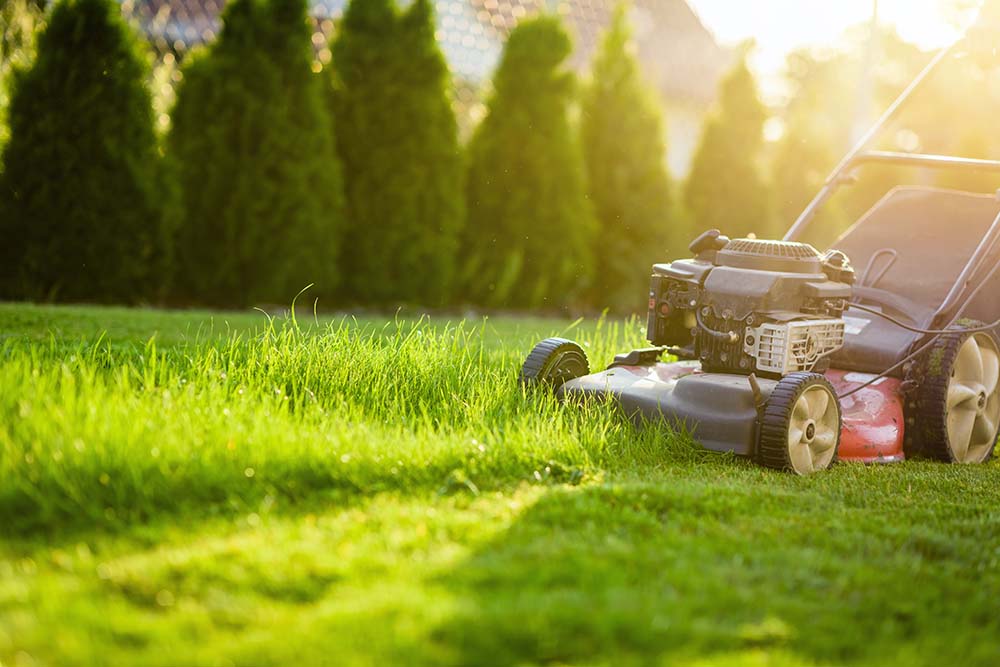
When embarking on the journey of maintaining a lush, green lawn, the initial investment in lawn care equipment can be substantial. Homeowners often find themselves faced with a myriad of choices, from basic tools like rakes and shovels to more advanced machinery such as riding mowers and aerators. The cost of these items can vary widely based on brand, quality, and functionality.
For instance, a basic push mower may set you back around $200, while a high-end riding mower can easily exceed $3,000. Additionally, the purchase of essential accessories such as trimmers, blowers, and spreaders can further inflate the initial expenditure. Beyond the purchase price, it is crucial to consider the long-term costs associated with maintaining this equipment.
Regular maintenance, including oil changes, blade sharpening, and seasonal tune-ups, can add up over time. For example, a simple tune-up for a gas-powered mower might cost between $50 and $100 annually. Furthermore, the need for fuel—whether gasoline for traditional mowers or electricity for battery-operated models—should not be overlooked.
These ongoing expenses can significantly impact the overall cost of lawn care, making it essential for homeowners to budget accordingly.
Hidden Costs: The Environmental Impact of Traditional Lawn Care Methods
While the visible costs of lawn care equipment are often front and center in discussions about maintaining a yard, the hidden environmental costs associated with traditional lawn care methods are equally significant. Conventional practices frequently involve the use of chemical fertilizers and pesticides that can have detrimental effects on local ecosystems. For instance, nitrogen-rich fertilizers can lead to nutrient runoff into nearby waterways, causing algal blooms that deplete oxygen levels and harm aquatic life.
This phenomenon not only disrupts local ecosystems but also incurs costs related to water treatment and environmental restoration efforts. Moreover, the carbon footprint associated with gas-powered lawn equipment is another hidden cost that many homeowners overlook. According to the U.S.
Environmental Protection Agency (EPA), gas-powered lawn mowers emit as much pollution in one hour as driving a modern car for over 1,000 miles. This pollution contributes to air quality issues and has broader implications for public health. As awareness of climate change and environmental degradation grows, homeowners may find themselves facing social pressure or even regulatory measures aimed at reducing emissions from traditional lawn care practices.
The True Cost of Watering: Calculating the Expense of Keeping a Green Lawn
Watering is an essential component of maintaining a vibrant lawn, yet it often represents one of the most significant ongoing expenses for homeowners. The cost of water varies widely depending on geographic location, local water rates, and seasonal availability. In regions where water is scarce or subject to drought restrictions, homeowners may find themselves paying premium prices for irrigation.
For example, in areas like California, where water conservation is critical, residents may pay upwards of $0.10 to $0.20 per gallon for municipal water. In addition to direct water costs, there are also indirect expenses associated with maintaining a green lawn through irrigation. The energy required to operate irrigation systems—whether they are traditional sprinkler systems or more advanced drip irrigation setups—can lead to increased utility bills.
Furthermore, overwatering can result in runoff that not only wastes water but also contributes to soil erosion and nutrient leaching. Homeowners must carefully consider their watering practices to avoid these pitfalls and ensure that they are not only maintaining their lawns but also managing their resources wisely.
Time Is Money: The Real Cost of Maintaining a Perfect Lawn
The adage “time is money” rings particularly true when it comes to lawn care by a Gympie turf supplies person. Many homeowners underestimate the amount of time required to maintain a pristine lawn, which can lead to frustration and burnout. Regular tasks such as mowing, edging, weeding, and fertilizing can quickly add up to several hours each week during the growing season.
For those who value their time or have busy schedules, this labor-intensive commitment can become a significant burden. Moreover, the opportunity cost associated with spending time on lawn care should not be ignored. Homeowners could be using that time for other productive activities—whether it’s spending time with family, pursuing hobbies, or even working additional hours at their jobs.
When calculating the true cost of maintaining a perfect lawn, it is essential to factor in the value of one’s time and consider whether the investment in professional services or low-maintenance alternatives might yield a better return on investment.
Health Risks: The Unseen Costs of Pesticides and Chemical Fertilizers
The use of pesticides and chemical fertilizers in traditional lawn care practices poses significant health risks that extend beyond environmental concerns. Many common lawn care chemicals contain toxic substances that can adversely affect human health. For instance, studies have linked certain herbicides and insecticides to respiratory issues, skin irritations, and even long-term health problems such as cancer.
Families with children or pets may be particularly vulnerable to these risks, as young children often play on treated lawns and pets may inadvertently ingest harmful chemicals. In addition to direct health risks, there are also broader societal costs associated with chemical use in lawn care. Increased healthcare costs related to pesticide exposure can place a strain on public health systems and contribute to rising insurance premiums.
Furthermore, communities that rely heavily on chemical treatments may face long-term consequences in terms of soil health and biodiversity loss. As awareness of these risks grows, many homeowners are reevaluating their lawn care practices in favor of safer alternatives that prioritize both human health and environmental sustainability.
Alternative Options: Exploring Low-Maintenance and Eco-Friendly Lawn Care Solutions
As concerns about the environmental impact and health risks associated with traditional lawn care methods continue to rise, many homeowners are exploring alternative options that prioritize sustainability and low maintenance. One popular approach is the use of native plants and xeriscaping techniques that require minimal watering and maintenance while providing habitat for local wildlife. Native plants are adapted to local climates and soils, making them more resilient and less reliant on chemical inputs.
Another innovative solution gaining traction is the concept of “no-mow” lawns or ground cover alternatives that eliminate the need for regular mowing altogether. These options often include clover or creeping thyme, which not only provide aesthetic appeal but also improve soil health by fixing nitrogen naturally. By embracing these eco-friendly alternatives, homeowners can reduce their reliance on traditional lawn care practices while still enjoying a beautiful outdoor space.
The Cost of Professional Lawn Care Services: Is It Worth the Investment?
For many homeowners who find themselves overwhelmed by the demands of lawn maintenance, professional lawn care services present an appealing alternative. However, the question remains: is it worth the investment? The cost of hiring a professional service can vary significantly based on factors such as property size, service frequency, and specific treatments required.
On average, homeowners might expect to pay anywhere from $50 to $150 per visit for routine maintenance services. While professional services can alleviate the burden of labor-intensive tasks like mowing and fertilizing, it is essential to weigh these costs against potential benefits. Professional landscapers often bring expertise that can lead to healthier lawns through tailored treatments and efficient practices.
Additionally, outsourcing lawn care frees up valuable time for homeowners to focus on other priorities or enjoy leisure activities without the stress of yard work hanging over their heads.
Long-Term Savings: How Sustainable Lawn Care Practices Can Save You Money
Investing in sustainable lawn care practices may require an upfront commitment but can lead to significant long-term savings for homeowners. By adopting eco-friendly methods such as composting organic waste for natural fertilization or implementing rainwater harvesting systems for irrigation, homeowners can reduce their reliance on costly chemical inputs and municipal water supplies over time. These practices not only contribute to healthier lawns but also promote environmental stewardship.
Furthermore, sustainable practices often lead to reduced maintenance costs in the long run. Lawns that are well-adapted to local conditions require less frequent mowing and watering, ultimately saving homeowners both time and money. As more individuals recognize the financial benefits associated with sustainable lawn care methods, there is a growing movement toward creating landscapes that are not only beautiful but also economically viable in the long term.
By prioritizing sustainability today, homeowners can cultivate thriving outdoor spaces while ensuring financial savings for years to come.