
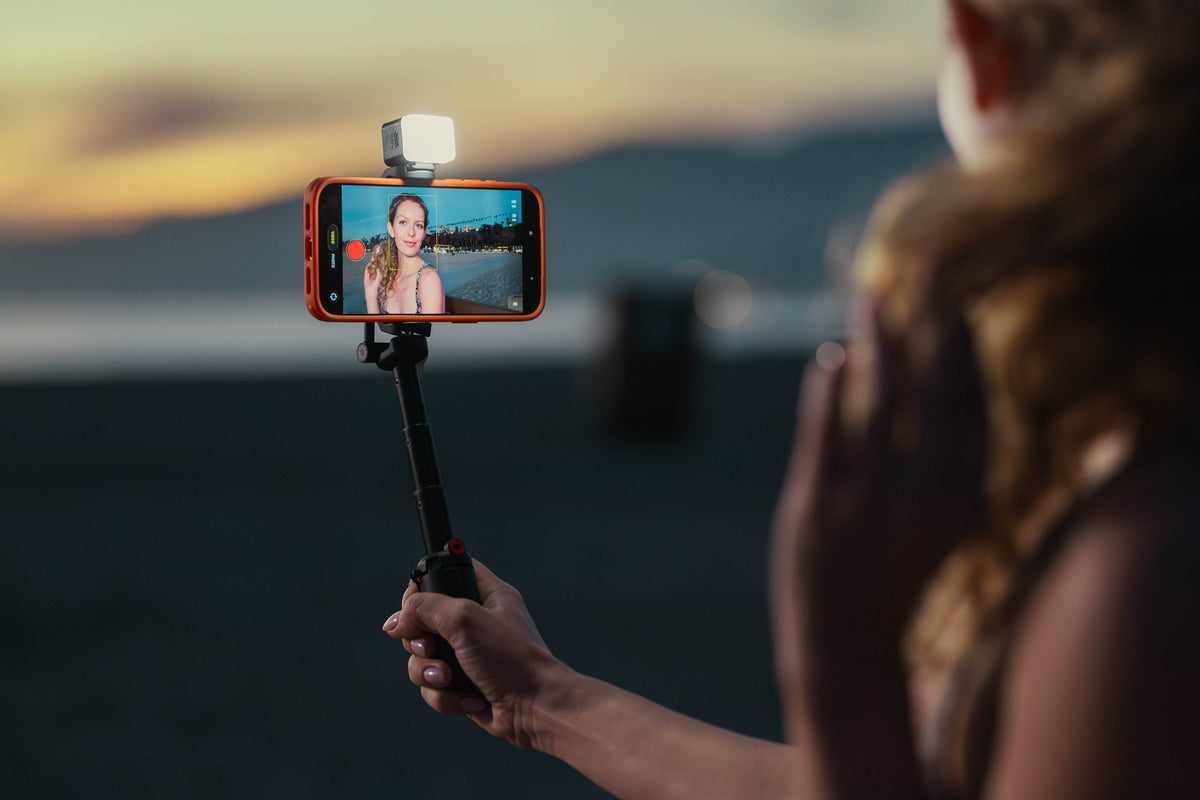
Pack for any trip and you quickly learn that every item has to earn its place. For people who film or photograph themselves while traveling, the support gear question comes up fast. A selfie stick is small and familiar, but it only does one thing. A tabletop tripod keeps shots steady but cannot give you height or reach. The TelePod Mini Tripod sits between the two, combining an extendable pole with fold-out legs, which raises a practical question: is a hybrid really better than the simple stick most people already own?
This comparison is written for solo travelers who need group shots without asking strangers, creators who film walking tours and short-form clips, and families trying to get everyone in the picture. Rather than picking a winner on paper, it looks at the situations you will actually face on the road, from crowded viewpoints to hotel-room recordings, and shows where each option holds up and where it falls short.
What Separates a Hybrid From a Basic Stick
A traditional selfie stick is a telescoping pole with a phone clamp at the end. It extends your reach, which helps fit more background into the frame, but the moment you want a hands-free shot, you are stuck propping it against a rock or a railing and hoping it stays put.
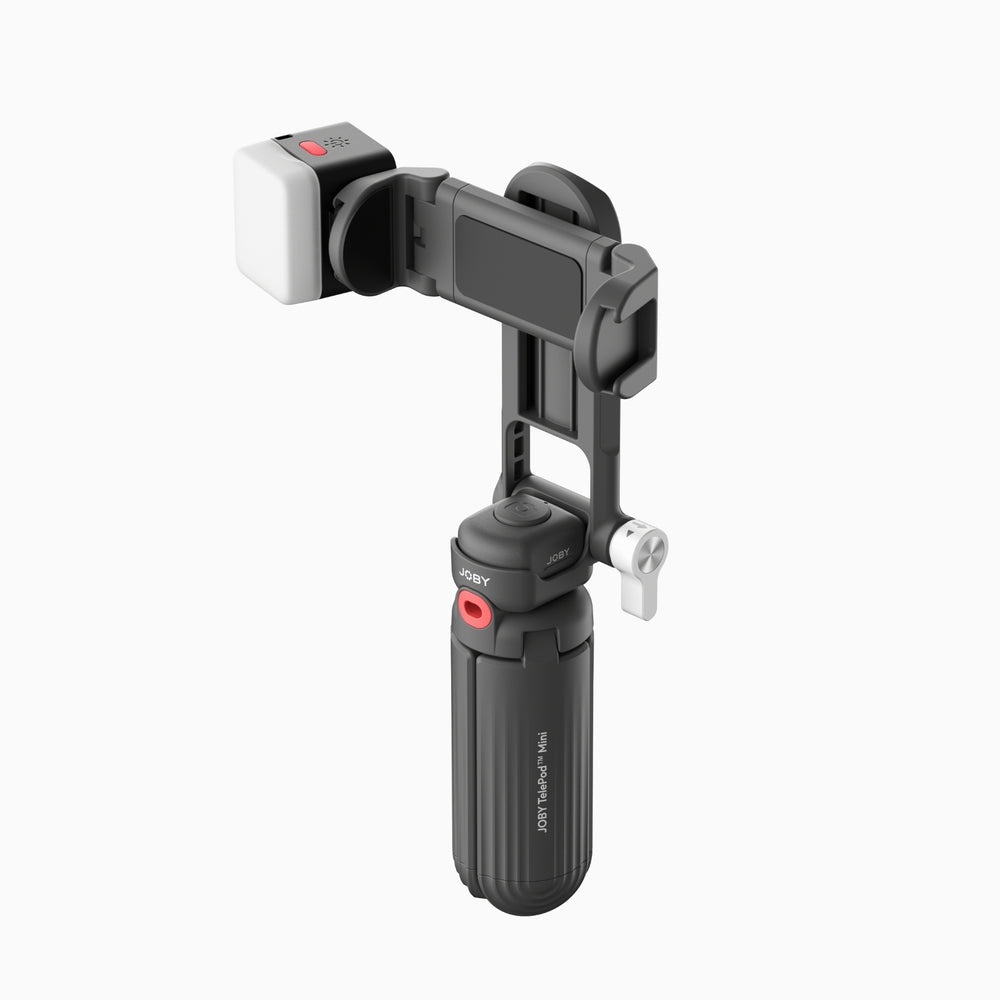
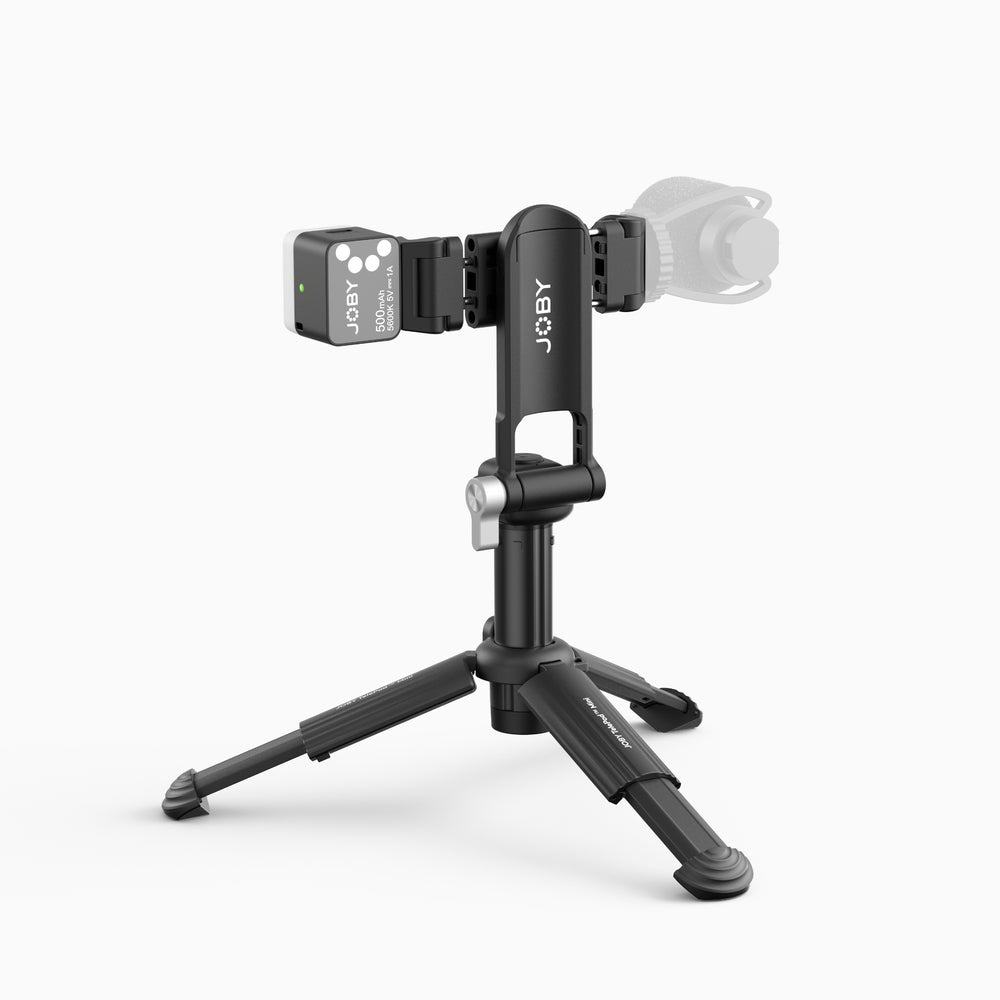
A TelePod Mini Tripod keeps the reach but adds legs at the base. Extend it and hold it like a stick, or open the legs and stand it on a table, a ledge, or the ground. That one change means the same tool covers handheld selfies, stationary group photos, time-lapses, and talking-to-camera clips. For travelers who want to carry less without giving up shot variety, that flexibility sits at the heart of the comparison.
There is also a difference in mindset. A stick encourages you to think only about selfies at arm’s length. A pole with legs gets you thinking about framing, backgrounds, and angles, because you can place the camera somewhere and step back into the scene. That shift often matters more than any single feature, since it changes the kind of photos and clips you bring home.
Comparing Them Where It Counts
Descriptions on a box rarely tell you how gear performs in a busy square or on a windy trail. These are the real-world factors that matter most once you are actually traveling.
Packability and Setup Speed
Both options collapse into a compact shape that slides into a daypack side pocket. The difference shows up when you use them. A selfie stick is ready the moment you extend it. The hybrid takes a moment longer if you open the legs, but it is still far faster than setting up a separate tripod. If you move between handheld and hands-free shots often, the hybrid saves more time over a full day of sightseeing than the stick ever could.
Stability for Hands-Free Shots
This is where the gap is widest. A stick leaning against a wall slips, tilts, and usually needs several attempts before the framing works. With legs deployed, the hybrid stands on its own, letting you use a timer or a remote to step into group photos. For time-lapses of sunsets or city traffic, a freestanding base is essential, and a stick simply cannot provide it without improvisation. On windy days, keep the pole partly retracted when standing it up, since a lower center of gravity keeps it steadier.
Reach and Framing
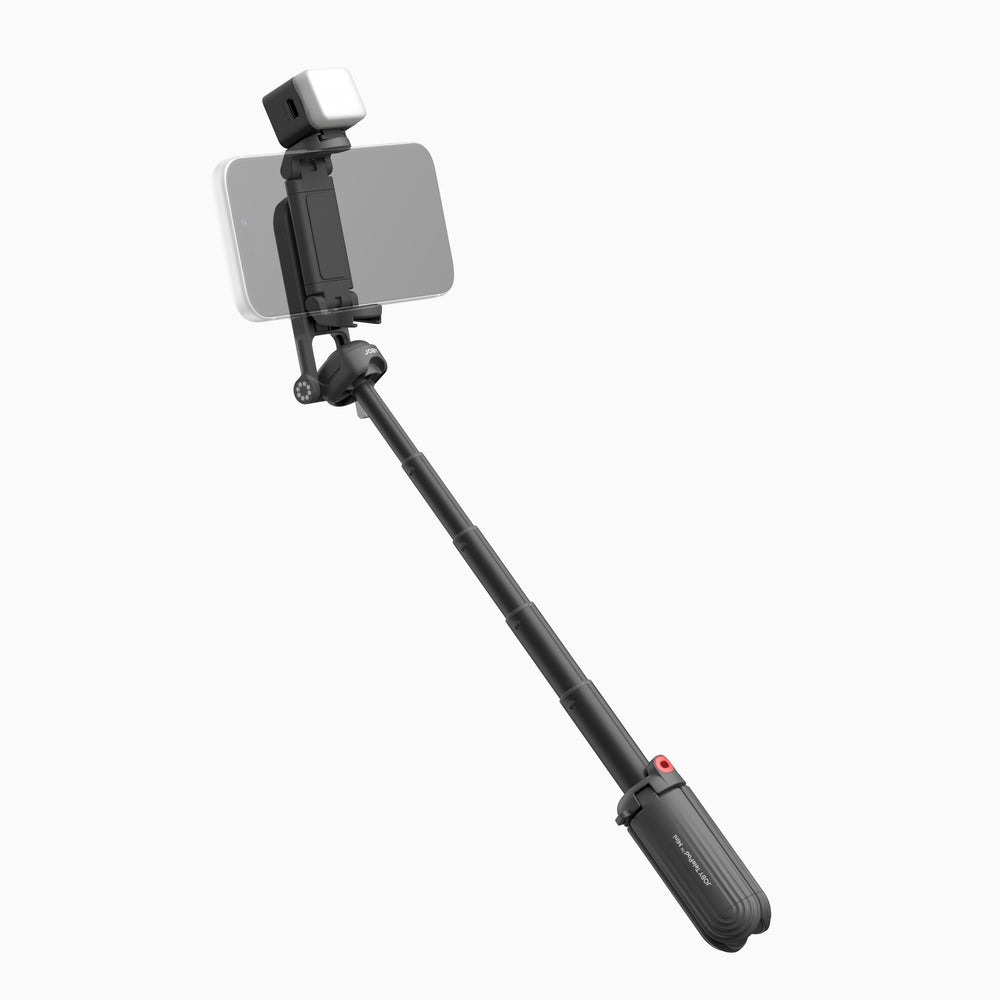
Both extend to capture wider shots and higher angles. Held overhead at crowded viewpoints, either one lifts your camera above other people’s heads. The hybrid’s legs, folded together, also give you a slightly more comfortable grip for longer walking shots, which helps when filming a guided tour, a street market, or a hike through a busy trailhead.
Durability and Everyday Handling
Travel is hard on gear. Poles get extended and collapsed dozens of times a day, tossed into bags, and exposed to sand, humidity, and sudden rain. Simple sticks have fewer moving parts, which works in their favor. A hybrid adds leg hinges, so it is worth checking that the legs open and close smoothly and lock firmly without wobble. Either way, pay attention to the phone clamp. A clamp that grips securely and releases easily will save you more frustration over a long trip than almost anything else, especially when you are switching between shooting and checking maps on the same phone.
Putting Both to the Test in Common Travel Moments
Picture a crowded viewpoint at sunset. With a stick, you can raise the phone above the crowd for a clean shot, but a group photo means one arm stretched out and half the group cut off at the edges. With legs deployed on a nearby wall, you set a timer, step back, and everyone fits in the frame with the view behind them.
Now picture a quiet café where you want to record a short update for friends or followers. A stick has nowhere to go except your hand, which leads to shaky footage and a tired arm. A freestanding tripod sits on the table at eye level, leaving your hands free to gesture naturally as you talk.
Finally, imagine a long walking day through an old town. Here the two options are closer. Both give you reach and a steady grip. The hybrid only pulls ahead when you stop to capture a time-lapse of a busy square or a timed photo in front of a landmark, which, for most travelers, happens several times a day.
Matching the Tool to Your Travel Style
Your choice depends on how you actually shoot. Consider which of these sounds most like you:
- Casual snapshot takers who mostly want handheld selfies may find a basic stick is enough.
- Solo travelers who need group shots, timed photos, or reliable framing benefit most from standing legs.
- Creators recording daily clips, walking tours, or hotel-room talking segments need one tool that covers both modes.
- Families who want everyone in frame, including the person who usually takes the photos, gain the most from a freestanding option.
For most people who film more than an occasional selfie, the hybrid approach wins because it removes the need to carry a separate tripod. JOBY built the TelePod line around that idea, so a single compact tool covers the handheld and freestanding moments that make up most travel content.
Getting the Most Out of a Hybrid on the Road
A few habits make a big difference once you are traveling. Before the trip, practice switching between stick mode and tripod mode at home until you can do it without looking. Pair your phone with a Bluetooth remote or use a timer or voice-activated shutter, so you are never rushing back and forth to press a button while the light changes.
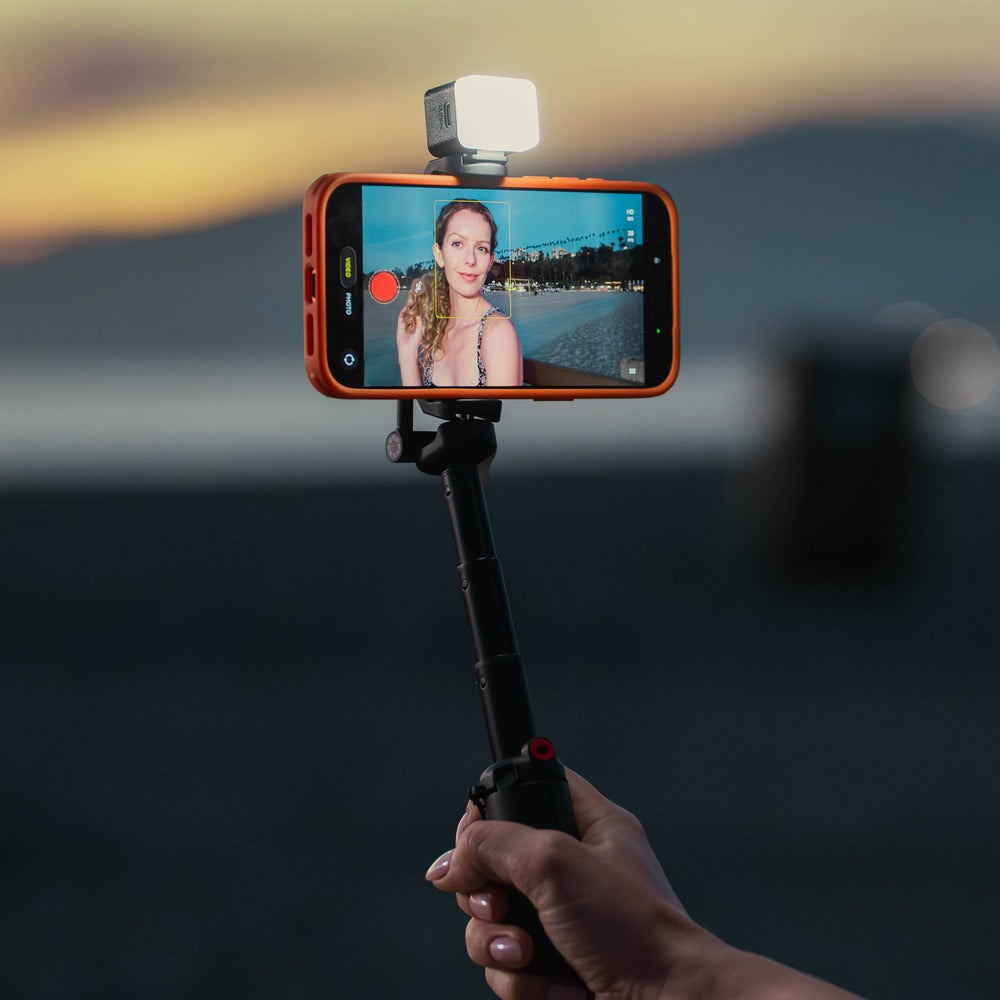
When standing the tripod outdoors, look for firm, level surfaces like benches, low walls, or flat rocks, and avoid soft sand where the legs can sink unevenly. For evening shots and indoor recordings, a small fill light positioned near the phone helps your face stay bright against a dim or backlit scene. After beach days, wipe down the pole and joints to keep sand out of the telescoping sections, which keeps the extension smooth for the rest of the trip.
Choosing the Better Travel Companion
A basic selfie stick still has a place for quick handheld shots, but it leaves you improvising the moment you want to step away from the camera. A hybrid tripod-and-pole design covers both roles, giving you reach when you are moving and stability when you need the phone to stand on its own. For solo travelers, content creators, and families who want everyone in the frame, that combination usually replaces two pieces of gear with one. Think about how often you take timed group photos, record walking clips, or capture time-lapses, and let that guide your decision. If those moments make up a big part of your trips, a hybrid will earn its space in your bag quickly. Practice switching modes before you leave, bring a remote shutter, and pick solid surfaces when standing it up. With those habits, you will come home with steadier footage, better group shots, and far fewer awkward requests to passing strangers.