
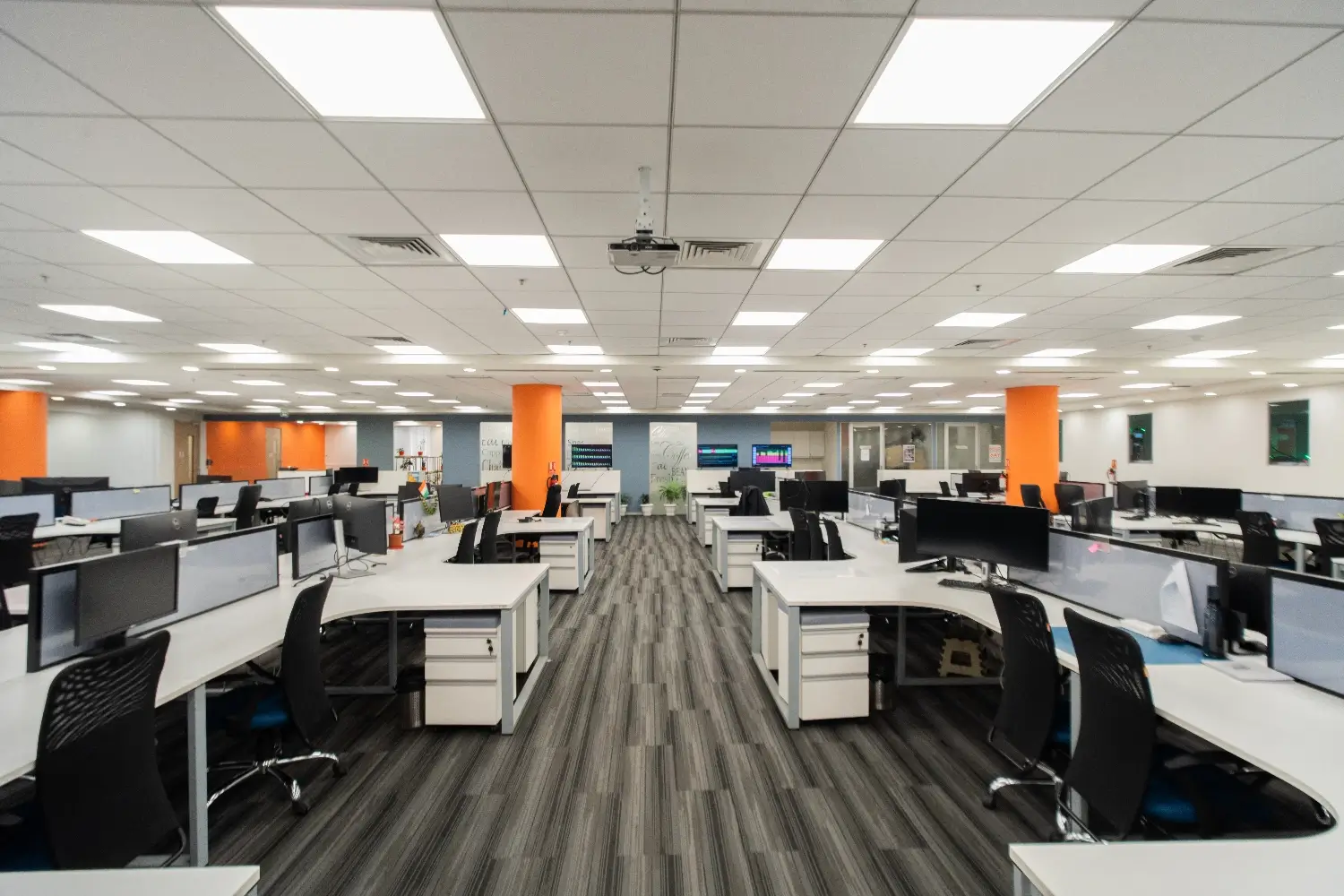
When you are building a startup, every decision has to earn its place. Office art can feel like a “later” problem, yet blank walls often make a workspace look unfinished, even when the team is doing serious work. The good news is that a strong look does not require a big spend. With a simple plan, you can create office wall decor that feels intentional, supports your brand, and makes the space more welcoming for teammates and visitors.
This guide focuses on practical steps: how to set a budget, plan your walls, choose office wall art by zone, and hang canvas prints in a way that looks clean and professional. Along the way, you will see how small decisions about size, spacing, and repetition can make low-cost choices look high-end.
Why Art Matters in a Startup Office (Even When Money Is Tight)
First impressions for clients, partners, and new hires
People make fast judgments about a space. A blank reception area or an empty conference wall can suggest “temporary,” even if your business is growing quickly. A well-placed canvas print signals care and readiness. It frames the room, sets a tone, and makes the workspace feel settled without buying new furniture or doing renovations.
Culture cues: what your walls say about the team
Office artwork also works as a quiet culture message. A calm set of prints can support focus during deep work. A bold art print can communicate energy and ambition. Visual choices become part of how the team experiences the day-to-day space, especially in open work areas where the walls are always in view.
The “small upgrade, big impact” idea
Compared with lighting upgrades or custom build-outs, wall art is a fast win. A single large wall art piece can change the whole feel of a room. This is why startups often get more value from canvas art than from many smaller upgrades that are harder to notice.
Set a Clear Budget Without Guesswork
A budget works best when it is tied to real wall space. Instead of one number for the entire office, decide what you can spend per wall or per zone. This keeps you from overspending on one area and forgetting the places people actually see the most.
- Pick your priority walls: reception wall, main conference wall, and the video-call background wall are usually the first targets.
- Choose a size strategy: one statement canvas print, or a set of 2–3 coordinated pieces.
- Set a per-wall cap: define a maximum for each wall so choices stay quick and consistent.
- Reserve a small add-on fund: keep room for a second piece later if the wall still feels empty.
Once you have a cap, you can shop with confidence and avoid the cycle of browsing endlessly. You are not trying to fill every wall at once; you are creating a smart starting point that can grow with the company.
Build a Simple Wall Plan That Looks Intentional
Pick a theme that matches your brand
Startups often move fast, so your wall plan should be easy to maintain. Choose a theme that connects to your product or values: innovation, craft, calm, motion, or exploration. The theme does not have to be literal. The goal is a consistent visual direction so your office wall art feels connected, even if you add pieces over time.
Stick to a small color range
Limiting your color range helps the office look organized. Look around your workspace: signage, furniture, key surfaces, and any brand color accents. Then select canvas prints that echo those tones. This is a simple way to make a set of prints feel “made for the room,” even when you are working on a budget.
Decide the layout early
Choose one layout style per wall. A single canvas print creates a clean, confident focal point. A grid of matched sizes looks structured and tidy. A small gallery arrangement can work if you keep spacing consistent and avoid mixing too many formats at once. Planning the layout before buying prevents “almost fits” mistakes.
Budget-Friendly Ways to Get a Designed Look
Go bigger in one spot
If you can only invest in one area first, choose one large wall art piece. Bigger art fills negative space, anchors the wall, and often looks more intentional than several small pieces scattered around. It also simplifies installation: one measurement, one placement, one focal point.
Repeat sizes for a clean finish
Repetition creates order. When you use the same canvas size for a 2–3 piece set, the wall looks planned even if the prints are different. This works especially well in hallways and open work areas where the team sees the wall in motion while walking through the space.
Use coordinated sets instead of random singles
A set does not have to be identical prints. The connection can be color, subject, or graphic style. When your office wall decor follows one thread, it feels like a “collection,” not a patchwork. This approach also makes it easier to expand later: you simply add another related art print with the same visual rules.
What to Choose for Each Office Zone
Different zones have different jobs. Match the artwork to the purpose of the space and the amount of time people spend there.
- Reception or entry wall: one strong canvas print that makes the space feel ready and welcoming.
- Conference room: prints that support focus and discussion; clean forms and steady tones often work well.
- Open workspace: structured wall art that feels organized from multiple angles and distances.
- Hallways: a series of prints with the same size and spacing for a simple “walk-through” rhythm.
- Video-call background wall: a single office canvas print placed behind the speaker for a confident, camera-friendly look.
If your team wants a friendly touch for shared areas, a themed collection can help. For example, character-driven prints can add personality near collaboration corners without taking over the room, such as Animals Professions Wall Art Canvas Prints.
Size, Spacing, and Hanging Basics (So It Doesn’t Look Random)
Good hanging rules are what separate “we bought a print” from “we designed a wall.” You do not need advanced tools, just simple measurements and consistent spacing.
- Anchor to furniture: if the art goes above a desk, credenza, or table, keep the artwork width near the furniture width range so it feels connected.
- Keep a steady gap: when hanging sets, keep the space between pieces consistent across the row.
- Choose a clear centerline: align the middle of the canvas art to a predictable eye level so the wall reads naturally as people walk by.
- Test with paper first: tape paper outlines on the wall before hanging to confirm size and spacing.
When you follow these rules, even low-cost choices feel professional. It is the arrangement that creates the “planned” look, not fancy materials.
Grow the Collection as Your Team Grows
Startups change fast, so treat office art as a system you can expand. Begin with one anchor wall, then build outward. Keep your theme and sizing rules consistent, and future additions will match naturally. If your office layout changes, rotate prints between zones rather than buying everything new. A canvas print can move from a hallway to a meeting space and still feel right when the wall plan is consistent.
Where to Start Shopping
If you want a simple starting point, browse a focused group built for workplace walls. The easiest approach is to pick one statement piece for a priority wall, then add a 2–3 piece set for a second area. Start here: Office Wall Art Canvas Prints Collection.
If your office needs calmer, nature-inspired energy in shared areas, you can also explore themed options that fit break areas and quiet corners, such as Jungle Wall Art Canvas Prints.
How Orders Are Prepared and Sent
Reliable delivery matters when you are furnishing an office on a schedule. A typical order flow is designed to protect the artwork and reduce damage risk during transit. After an order is confirmed, the print is produced, checked for print clarity, and prepared for packing. Packaging is built to protect corners and surfaces, then the shipment is labeled so tracking can be provided as it moves to its destination.
How Canvas Prints Are Made
Canvas printing is a practical choice for office walls because it is lightweight, clean, and easy to hang. The image is printed on canvas material with attention to clarity and color balance. After printing, the canvas is prepared for display so it keeps its shape and presents well on the wall. Final checks help ensure the finished piece matches the expected look before it is packed.
Frequently Asked Questions
1) What is the fastest way to improve an office wall on a budget?
Choose one priority wall and add a single canvas print in a size that fills the space. One strong focal point changes the room immediately.
2) Should we buy one large piece or several small ones?
For most startup offices, one large wall art piece looks more intentional and is easier to hang. Sets of 2–3 pieces work well when you want structure across a wider wall.
3) How do we pick art that matches our brand?
Use your brand colors as a guide and select prints that echo those tones. Also choose subject matter that fits your brand voice, such as calm, bold, technical, or playful.
4) What wall should we decorate first?
Start with the wall that the most people see: entry, main meeting room, or the video-call background wall.
5) How many pieces do we need for a conference room?
Often one statement canvas art piece is enough. If the wall is wide, a 2–3 piece set with consistent sizing can look clean and balanced.
6) What is an easy layout for beginners?
A single centered piece is simplest. If you want a set, use identical sizes and keep spacing consistent.
7) How high should we hang office wall art?
Place the artwork so the center sits around natural viewing height for most people. The key is consistency across walls, not a perfect number.
8) Can we mix different art styles in one office?
Yes, but keep one connecting rule, such as a shared color range or consistent sizes, so the office still feels organized.
9) What works best in open work areas?
Structured designs and clear compositions tend to read well from multiple angles. Avoid overly busy visuals in areas meant for focus.
10) What works well near collaboration areas?
Conversation-friendly artwork that adds character can be a good fit. Choose prints that support the tone of the team without overpowering the space.
11) How can we make a hallway look planned?
Use a series: same size prints, same spacing, and a shared theme. This creates a consistent visual rhythm.
12) Should we match art to furniture?
Match the scale more than the exact look. The art should relate to the furniture width and sit at a comfortable height above it.
13) How do we avoid a cluttered wall?
Limit the number of sizes and keep consistent spacing. Choose one layout style per wall rather than mixing multiple arrangements.
14) What is a smart way to expand later?
Start with an anchor piece, then add a second print that follows the same sizing and color rules. Repetition keeps the wall plan consistent.
15) What is the biggest mistake startups make with office wall decor?
Buying prints before measuring. Measure the wall, plan the layout, then choose artwork that fits the space and the purpose of the zone.
Next step: Pick one priority wall, decide on your layout, and choose a canvas print that supports how your team uses the space every day.