
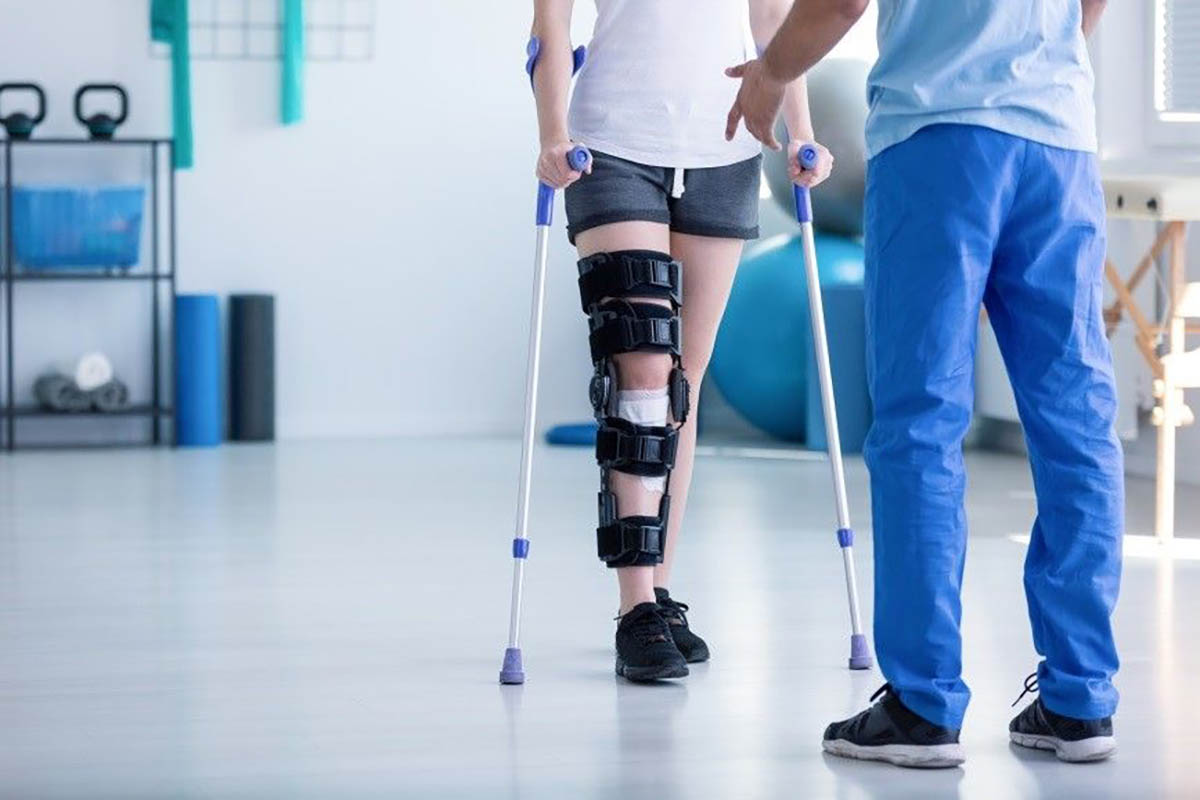
Surgery is a demanding procedure, no matter if it’s minimally invasive or not. Once the surgery is over, the real journey of recovery begins. During this phase, physical therapy is vital. Through personalized rehabilitation, structured movement, and strength-building, patients are able to restore function and reduce pain. Physical therapy’s role in post-surgical healing cannot be understated. It acts as a bridge from surgery to full recovery.
The Purpose Of Post-Surgical Physical Therapy
After surgery, tissue repair is a natural process. The body may experience muscle weakness, stiffening of joints, or a loss of balance and coordination. Physical therapy addresses these issues through carefully guided exercise designed to restore strength, flexibility, and mobility while minimizing complications.
Therapists create recovery programs tailored to each surgery type in collaboration with surgeons. The therapy is crucial for the recovery after any surgery.
LimbplastX Institute and other institutions emphasize the importance of post-surgical rehabilitation to be part of an overall care plan. By integrating advanced physiotherapy techniques, patients are able to transition smoothly from the surgical phase to functional movement with reduced pain and faster results.
Accelerating Rehabilitation Through Movement
It is important to move after surgery. Early and controlled mobility reduces the risk of stiffness or scar tissue formation, which could otherwise cause long-term issues. Physical therapists guide patients through gentle exercises shortly after surgery to improve blood flow, reduce inflammation, and help soft tissues heal.
Following limb and orthopedic procedures, exercises that increase range of motion and weight bearing are slowly introduced to strengthen surrounding joints and muscles. Each phase in therapy builds on previous phases to ensure a safe, effective recovery.
LimbplastX Institute offers carefully arranged rehabilitation programs that combine gait and flexibility correction with muscle reconditioning. This helps patients to regain normal movement patterns, without overstretching the healing tissues.
Reducing Inflammation
Pain is a common barrier to healing. Physical therapy, while it can help with pain management, is non-invasive and offers a long-term solution. Techniques such as manual therapy and soft tissue massage can relieve pain and improve mobility.
To lessen swelling and encourage healing, alternative techniques including electrical stimulation, heat application, and cryotherapy (cold treatment) might be used. These techniques help to relieve pain as well as enhance the body’s ability to recover.
Physical therapy empowers its patients by teaching them how to move comfortably without triggering pain. This helps them gain confidence and promotes independence throughout the healing process.
Restoring Strength And Balance
Surgical procedures can temporarily weaken muscles, especially when the affected limb is immobilized. Strengthening exercises will help you regain muscle tone and improve your coordination.
Most therapists start with low-resistance isometric movements and then progress to more dynamic exercise. The goal of therapy is not just to improve muscle strength; it’s also to get the patient back to proper alignment, good posture, and balance.
Physical therapy is beneficial for individuals recovering after height enhancement or limb lengthening. This will ensure smooth movement and restore the natural gait. It is essential to achieve symmetrical movements and avoid discomfort.
A Holistic Approach To Healing
A successful recovery after surgery extends beyond healing the body. Psychological and emotional resilience are also important. The supportive, structured environment of physical therapy sessions encourages motivation to recover and reduces anxiety.
Therapists help patients set realistic objectives and celebrate their small victories. This holistic approach is designed to help patients improve not only their physical strength but also their confidence and overall quality of living.
LimbplastX, an institute in the United States, incorporates advanced physical rehabilitation at each stage of care. It recognizes that long-term success depends on comprehensive patient recovery. They return patients to their normal lives with greater strength, balance, and less pain by combining surgical excellence with individualized rehabilitation.
Conclusion
Physical therapy plays a vital role in post-surgical recovery by turning passive healing into active rehabilitation. Through targeted exercises, it helps patients rebuild strength, restore mobility, and regain confidence and independence.
As a trusted Chiropractor Singapore, Chirotherapy supports this recovery journey by complementing surgical care with expert guidance focused on posture correction, joint movement, and nerve function. With the right support and commitment, patients can achieve long-term results and return to daily life with renewed strength, comfort, and vitality.