
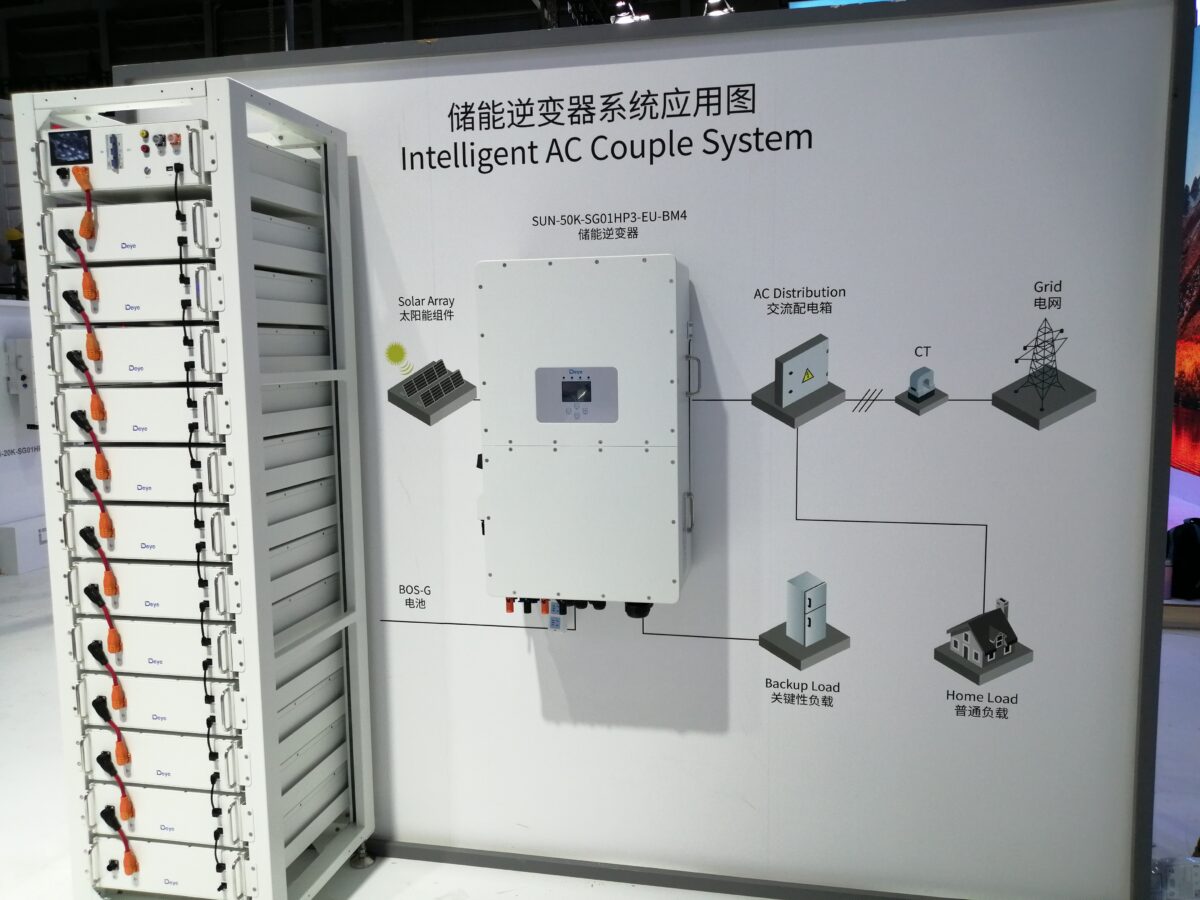
The 50kW hybrid inverter has become one of the most discussed power solutions in recent years, especially as energy costs rise and grid stability becomes less predictable. Unlike small residential inverters, a 50kW hybrid inverter sits in a space where commercial buildings, farms, factories, and large villas all overlap. This article will explore the working principle of a 50kW hybrid inverter in practical applications, the problems it solves, and the reasonable expectations that users should have.
What Makes a 50kW Hybrid Inverter Different?
A 50kW hybrid inverter is designed to manage multiple energy sources at the same time. Instead of only converting solar power to usable electricity, it coordinates solar panels, batteries, and the utility grid.
In practice, this means the inverter constantly decides where power should come from and where it should go.
Solar energy is used first when sunlight is available. Extra power can be stored in batteries instead of being wasted.
The grid acts as backup when solar and batteries are not enough. Stored energy can be used during peak electricity pricing hours.
This combination is why many businesses now consider a 50kW hybrid inverter instead of a traditional grid-tied system.
Typical Scenarios Where a 50kW Hybrid Inverter Is Used
The popularity of the 50kW hybrid inverter comes from its flexibility. It is not limited to one type of user. Common application scenarios include:
l Small factories and workshops that want stable power for machines without relying fully on the grid.
l Commercial buildings such as offices, hotels, or shopping centers face high daytime electricity costs.
l Agricultural sites like farms or cold storage facilities are vulnerable to outages, which can cause serious losses.
l Large residential properties with high daily power consumption and backup power needs.
In these cases, the inverter is not just a power converter but an energy control center.
How Energy Flow Is Managed Day to Night
Understanding daily energy flow helps explain why the 50kW hybrid inverter is popular.
During the daytime:
l Solar panels generate electricity.
l The inverter supplies power directly to loads.
l Excess energy charges the battery system.
l If allowed, surplus power can be sent to the grid.
In the evening or at night:
l Loads are powered by stored battery energy.
l The grid is only used when battery levels drop below a set limit.
During a grid outage:
l The inverter switches to battery mode.
l Critical equipment keeps running with minimal interruption.
l This automatic switching is one of the main reasons users invest in a 50kW hybrid inverter instead of simpler systems.
Grid Interaction and Policy Considerations
Grid rules play a major role in how a 50kW hybrid inverter can be used. In some regions, exporting energy to the grid is allowed and rewarded. In others, export is limited or not permitted.
Typical grid-related considerations include:
l Whether net metering or feed-in tariffs are available.
l Whether zero-export operation is required.
l How backup power is handled during outages.
A properly configured 50kW hybrid inverter can adapt to most grid rules, but users should confirm local regulations before installation.
Monitoring and Daily Operation Experience
Modern 50kW hybrid inverter systems usually come with digital monitoring tools. These allow users to see real-time and historical data.
Common monitoring features include:
l Solar production tracking.
l Battery charge and discharge status.
l Grid import and export data.
l Fault alerts and performance history.
This visibility helps operators understand their energy use patterns and make informed adjustments. Some systems from brands like Felicity Solar integrate monitoring platforms that simplify daily management, especially for commercial users.
Final Thoughts
The 50kW hybrid inverter is popular because it addresses the practical energy needs of modern users. It balances solar power generation, battery storage, and grid interaction. By understanding its daily operation, users can determine whether it can be a reliable pillar for efficient and flexible energy management.