When you want to shield your tools, furniture, or building materials, choosing a tarp matters a lot. What is the difference between standard tarpaulins and heavy-duty Tarpaulin Sheet is a question we are often asked by customers. In the beginning, both may appear similar. In actual use, they operate very differently.
So, knowing the difference allows you to select the right option for better protection, longer life, and more value.
This guide will tell you all about it in simple words, including its uses, benefits & buying tips.
Understanding the Basic Difference
In terms of strength, thickness, and overall longevity, they differ. Strong material and layers are used in heavy-duty tarpaulin. Thus, they are much more resilient to bad weather, intense usage, and outdoor exposure. In contrast, normal tarps are made of lighter-weight material. They are suitable for short-term or light-duty tasks.
For instance, if it is minor rain and you want a tarp to cover garden furniture, a basic tarp will do the job well. If you need to protect construction materials for a long time, using a heavy-duty tarp works much better. The purpose usually dictates what we would choose.
Material Quality and Strength
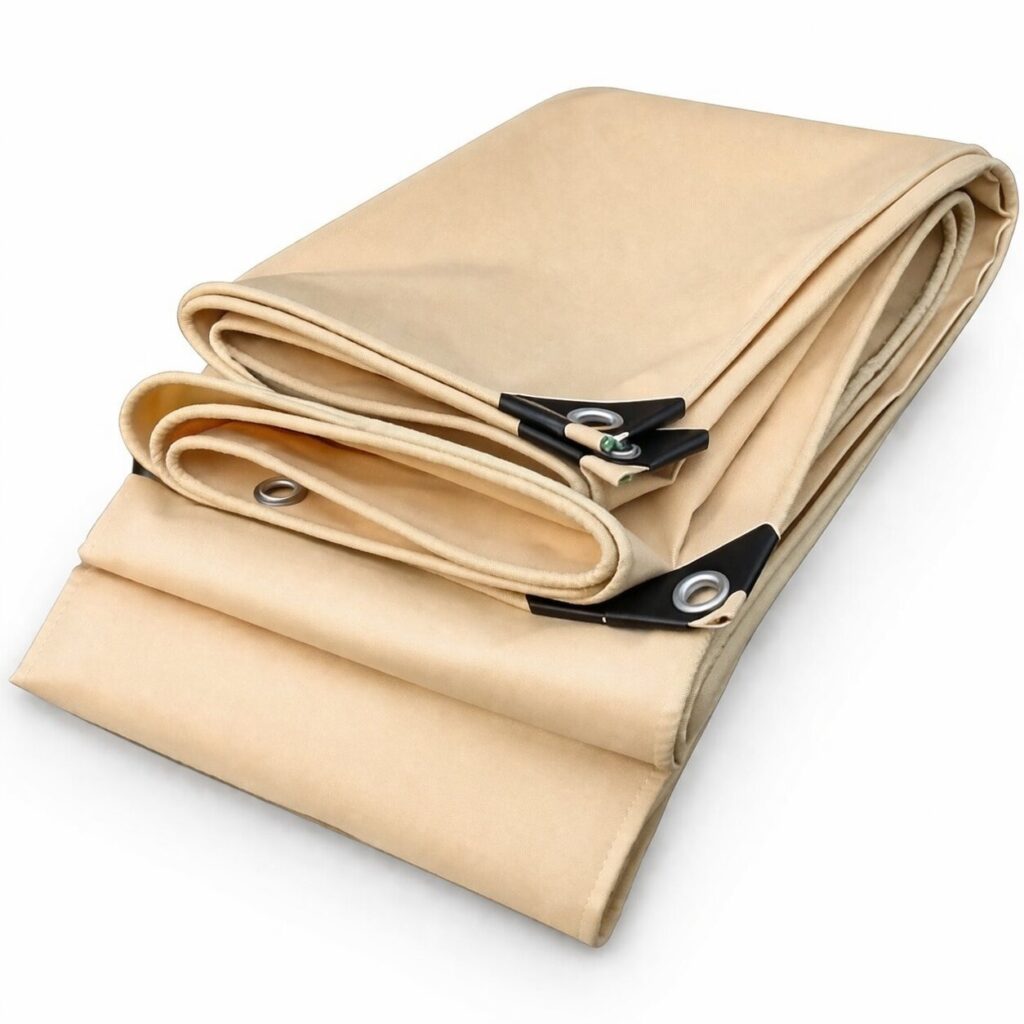
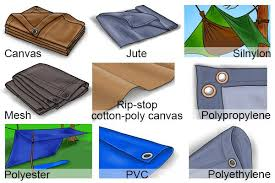
The material used is critical for the performance. Heavy-duty tarpaulins often use thick PVC or high GSM polyethylene. Thus, they do not tear, stretch, or get damaged by water. Standard tarp, on the other hand, uses lighter polyethylene sheets. Thus, they are easier to handle but may get spoiled faster.
In addition, heavy-duty tarpaulins commonly have reinforced corners and stronger stitches. Hence, the reason they remain resilient in tough situations.
Thickness Makes a Big Difference
The durability hinges on thickness. Heavy-duty tarpaulins have more grams per square meter, i.e., high GSM. A higher GSM means the fabric is heavier. As a result, they function optimally in downpours, harsh sunlight, and windy conditions.
Typically, standard tarps have low GSM. Therefore, they are suitable for temporary use and indoor coverage. For instance, a simple painting project may only require a regular tarp. Outdoor construction sites do need a heavy-duty option. The thickness you choose should serve a purpose.
Performance in Outdoor Weather
The weather protection is still one of the biggest differences. Heavy Duty Tarpaulin Sheets have enhanced waterproofing and UV resistance. So, they’re ideal for outdoor storage, machinery, and trade work. Also, because of their eyelets and reinforced edges, they handle the wind much better.
On the other hand, in clement weather, regular tarps could do just as well. Nevertheless, storms and heavy rainfall may cause them to rip or shift. As a result, heavy-duty tarpaulins are the best option for long-term outdoor use.
Lifespan and Durability
When you want something to last, durability counts. Often, heavy-duty tarpaulin lasts much longer. In the majority of cases, they can tolerate routine outdoor functionality for months or even years. On the other hand, standard tarps may only be effective for short-term use.
For example, standard tarps are usually used for home renovation work or temporary covering of furniture. Nonetheless, long-term storage facilities and industrial projects require stronger. So, always consider how long you want the tarp to survive.
Best Uses for Heavy-Duty Tarpaulins
Heavy-duty tarpaulins are made for tough conditions. You can use tarpaulins to protect building materials against rain, sun, and wind. Farmers also use it to cover hay, equipment, and outdoor storage.
Additionally, companies use them for transport and industrial weather protection. They suit professional applications well because they strongly resist water and sunlight. As a result, they improve both reliability and safety.
Best Uses for Standard Tarps
For light-duty tasks, standard tarps are ideal. Homeowners use them for an array of useful purposes, such as floor painting and masking furniture.
Also, they are great for quick DIY jobs over the weekend. Moreover, they are suitable for temporary event staging where longevity is not required. They are cheaper, so they provide a temporary solution that does not cost you much. Thus, they remain effective to use in many circumstances.
Price vs Long-Term Value
Cost is likely to affect purchases. Standard tarps typically have a lower base cost. Consequently, they seem appealing for quick jobs. Nevertheless, heavy-duty tarpaulins usually give better value for money in the longer term. When you spend less on replacements, they last longer. Thus, the long-term cost savings of reusable items make them the wiser option despite their initial price.
How to Choose the Right One
Begin by asking the most basic of questions: how and where will you use it? For indoor protection or temporary use, standard tarps usually do a good job. Heavy-duty tarpaulins provide better protection if the tarp is going to be left outside for a long time.
Additionally, think about the weather conditions, the thickness of the material, and the usage frequency. That said, selection based on actual need avoids wasting cash.
Final Thoughts
Heavy-duty tarps and standard tarps help the user in a useful manner. Nonetheless, it depends on what you need. Heavy-duty tarpaulins have greater strength, thicker material, more robust waterproofing, and longer life. Thus, their outdoor, industrial, and long-term protection is the best.
In the meantime, standard tarpaulins are a low-cost option for short to light duty. When you comprehend the difference, you can choose smarter and better protect your belongings. Ultimately, the perfect tarp is a model that complements your project, the climate, and your budget.