
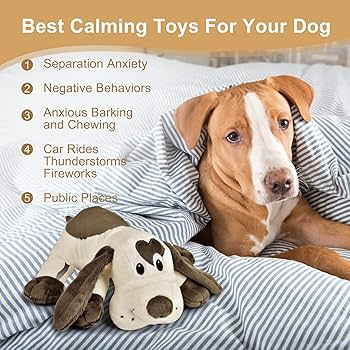
It starts with the jingle of your keys. Or maybe it’s the first rumble of thunder in the distance. Suddenly, your relaxed companion transforms. They might pace back and forth, pant heavily, or hide under the bed. For many pet parents, watching their dog suffer from anxiety is heartbreaking. You want to help, but sometimes words and cuddles just aren’t enough.
Anxiety in dogs is more common than you might think. Whether it is separation anxiety, fear of loud noises, or general nervousness around new people, stress takes a toll on your pup’s physical and emotional health. While severe cases often require professional training or veterinary intervention, there is a powerful tool you likely already have in your home: dog toys.
Toys are often dismissed as simple entertainment, but when used correctly, they become therapeutic tools. They can distract, soothe, and build confidence. In this guide, we will explore how to turn playtime into therapy time, helping your furry friend find their inner calm through the power of play.
Decoding the distress: Signs Your Dog Is Anxious
Before you can treat the problem, you have to recognize it. Dogs can’t tell us they are feeling stressed, so they communicate through body language and behavior. Unfortunately, these signs are often misinterpreted as “bad behavior” or hyperactivity.
If you notice these behaviors, your dog might be crying out for help:
- Destructive Chewing: Coming home to a destroyed sofa isn’t always about boredom or spite. Ideally, chewing is a self-soothing behavior. Anxious dogs often chew door frames or furniture in a desperate attempt to relieve stress.
- Excessive Vocalization: relentless barking, howling, or whining, especially when you leave the house, is a classic sign of separation anxiety.
- Pacing and Panting: If your dog cannot settle down and constantly walks in circles or pants when it isn’t hot, their cortisol levels are likely spiking.
- Trembling or Hiding: This is common during thunderstorms or fireworks. The dog tries to make themselves small or find a “den” to escape the scary stimulus.
- Lip Licking and Yawning: These are subtle “calming signals.” A dog who licks their lips repeatedly or yawns when they aren’t tired is trying to tell you they are uncomfortable.
Understanding these triggers allows you to intervene early. Instead of scolding a scared dog, you can redirect that nervous energy into something positive.
The Science of Soothing: Why Toys Work
You might wonder, how can a rubber ball fix a panic attack? It comes down to biology.
Chewing and licking are natural, primal behaviors for canines. When a dog licks or chews, their brain releases endorphins—neurotransmitters that act as natural painkillers and stress relievers. It creates a physiological sense of calm.
Furthermore, anxiety often stems from a fixation on a stressor (like the mail carrier or a loud noise). The brain can only focus on so many things at once. By introducing a high-value interactive toy, you engage their cognitive functions. You essentially flip a switch in their brain from “emotional panic” to “logical problem-solving.” The toy provides a constructive outlet for the nervous energy that would otherwise turn into destruction.
The Anti-Anxiety Toolkit: Toys That Help
Not all toys serve the same purpose. For an anxious dog, you need specific tools designed to soothe and distract. Here are the three main categories you should have in your arsenal.
1. Frozen Enrichment Dispensers: The “Pacifiers”
If you buy only one thing for an anxious dog, make it a hollow rubber toy that can be stuffed and frozen. These are the gold standard for creating calm.
By stuffing a durable rubber toy with soft food (like peanut butter, yogurt, or wet dog food) and freezing it, you create a long-lasting challenge. The act of repetitive licking required to get the food out is incredibly soothing. It lowers the heart rate and keeps the dog stationary and focused.
Pro Tip: Give a frozen stuffed toy to your dog before the stressor happens. If you know you are leaving for work, hand them the toy 10 minutes before you walk out the door. This changes their emotional association with your departure from “Oh no, they’re leaving!” to “Yay, I get my special treat!” Read more!
2. Interactive Puzzle Toys: The Distractors
For dogs who get nervous due to boredom or high energy, puzzle toys are a game-changer. These toys require the dog to manipulate parts—sliding, lifting, or rolling—to uncover hidden treats.
When a dog is working on a puzzle, they enter a state of “flow.” They are so concentrated on the task that they tune out the environment. This is particularly effective during storms or fireworks. If your dog is busy figuring out how to unlock a treat compartment, they are less likely to focus on the thunder outside.
Start with simple puzzles to build confidence. A puzzle that is too hard can cause frustration, which adds to the anxiety rather than reducing it.
3. Comfort and Heartbeat Toys: The Snuggle Buddies
For puppies or dogs with severe separation anxiety, physical comfort is key. Soft, plush toys can mimic the feeling of sleeping against a littermate or their mother.
“Heartbeat toys” take this a step further. These plushies contain a battery-operated device that produces a rhythmic pulsing sensation and sound, mimicking a real heartbeat. This can be incredibly reassuring for a dog who feels alone. Placing this toy in their crate or bed creates a sense of companionship even when you aren’t there.
Training for Confidence: Positive Reinforcement
Buying the toy is step one. Teaching your dog how to use it as a coping mechanism is step two. You can’t just toss a toy at a panicking dog and expect miracles. You have to build a positive association when they are calm.
The “Special Toy” Rule
Designate specific toys for specific stressful situations. For example, have a high-value “Leaving the House Toy” that they only get when you are gone. This makes the toy special and exciting.
If your dog has free access to this toy 24/7, it loses its value. But if it only appears when you grab your car keys, the toy becomes a signal that something good is happening, countering the negative signal of you leaving.
rewarding Bravery
Use toys to reward calm behavior. If your dog is afraid of strangers, bring a favorite tug toy along on walks. When a stranger passes by and your dog remains calm (or even just looks at them without barking), immediately engage in a fun game of tug.
This teaches the dog that the presence of the “scary thing” actually predicts a fun game. Over time, you can change their emotional response to the trigger.
Creating a Safe Space
Anxious dogs need a sanctuary—a place where they feel 100% safe and unbothered. This could be a crate (if they are crate trained), a specific corner of a room, or a cozy dog bed.
Use your dog toys to establish this zone.
- Place the toys there: Regularly hide treats or leave their favorite chew toys in their safe space.
- Make it a “No-Bother” zone: Never force your dog out of this space, and don’t let children or other pets disturb them when they are in it.
- Combine with scents: You can use calming pheromone sprays on the bedding in this area to enhance the relaxation effect.
When the world gets too loud or scary, your dog will learn they can retreat to this space and find their comforting items waiting for them.
Conclusion: Patience and Play
Helping an anxious dog is a journey, not a sprint. There will be good days and bad days. However, incorporating the right toys into your daily routine provides your dog with a healthy, natural way to process their stress.
By swapping fear for focus and panic for play, you are doing more than just distracting them; you are building their confidence. You are teaching them that they have the tools to soothe themselves.
So, stock up on that peanut butter, freeze those rubber toys, and get ready to help your canine companion find their calm. A happier, more relaxed dog is just a playtime away.