
Something has been shifting quietly in how families think about the objects they hand down. For most of the last century, the family piece was singular — a wedding ring, a christening bracelet, a watch — passed from one wrist to the next once a generation. The recent turn is subtler and more interesting. Households are increasingly picking pieces that multiple people in the family wear at the same time, in slightly different scales or settings, and treating those shared pieces as the family’s visual signature. A mother and daughter carry the same pendant on different chains. Three siblings own the same ring in different metals. Grandparents wear a version of the same charm their grandchildren have on a bracelet. This is not a nostalgic revival of Victorian mourning jewelry, and it is not the twin-heart kitsch of the mall era. It is a considered, adult use of paired pieces as a soft family emblem — quieter than a coat of arms, more visible than a shared last name. This piece looks at why the shift is happening now, what makes these pieces work across generations, and how a family can start one without turning it into a project.
Why Families Are Turning to Shared Pieces Now
Several forces converge to make this quiet trend feel timely. Families are more geographically scattered than they were a generation ago, and the objects people used to share simply by living in the same house — the same kitchen, the same doorframe, the same view — no longer exist as shared experiences. A small worn object can substitute. It lives on the body, it moves with the person, and it puts the family in a physical location that no address can guarantee anymore.
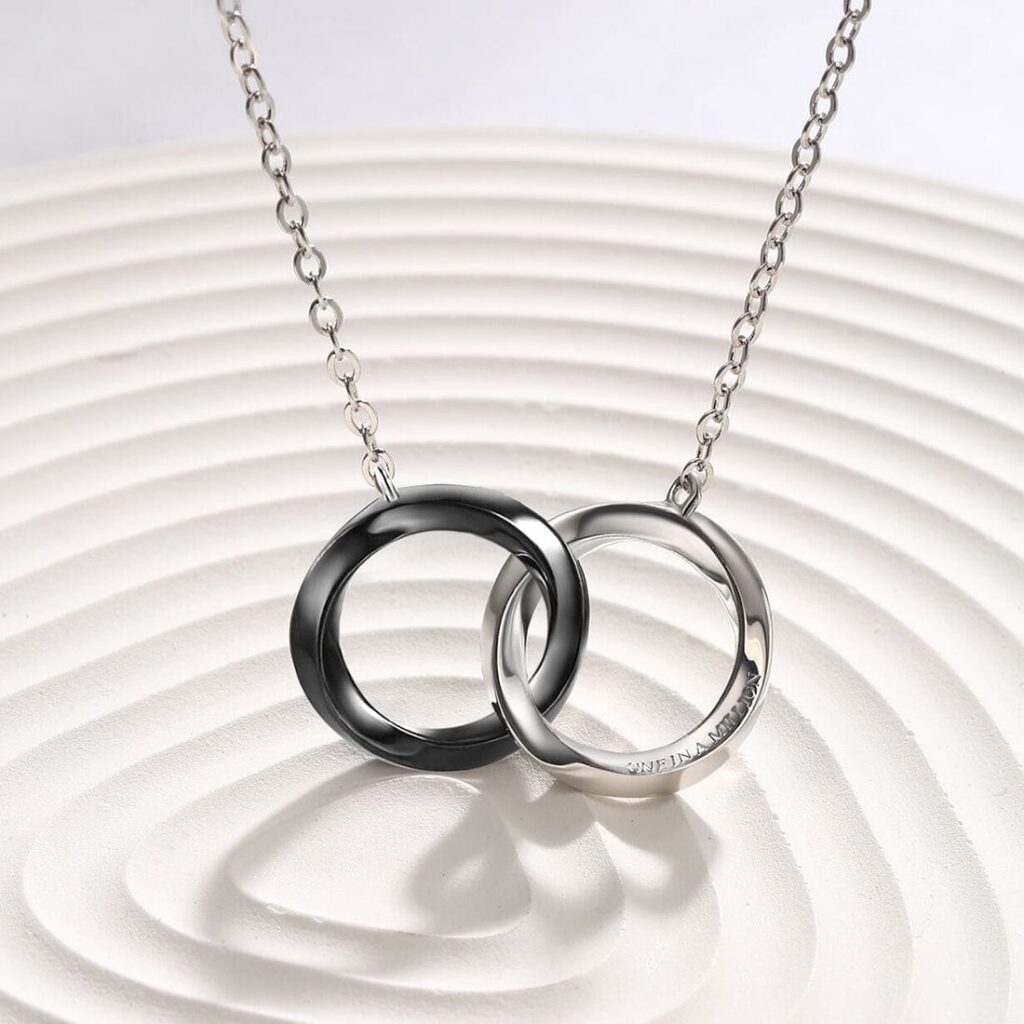
There is also a broader cultural fatigue with disposable objects. The last decade taught most households that fast fashion produces a lot of possessions and very few keepsakes. Choosing a single piece of matching jewelry that multiple family members will wear is a small, considered counterweight. The object is not new every season; it is the same object worn for years, and the fact that others in the family wear the same one turns it from a purchase into a low-grade family institution.
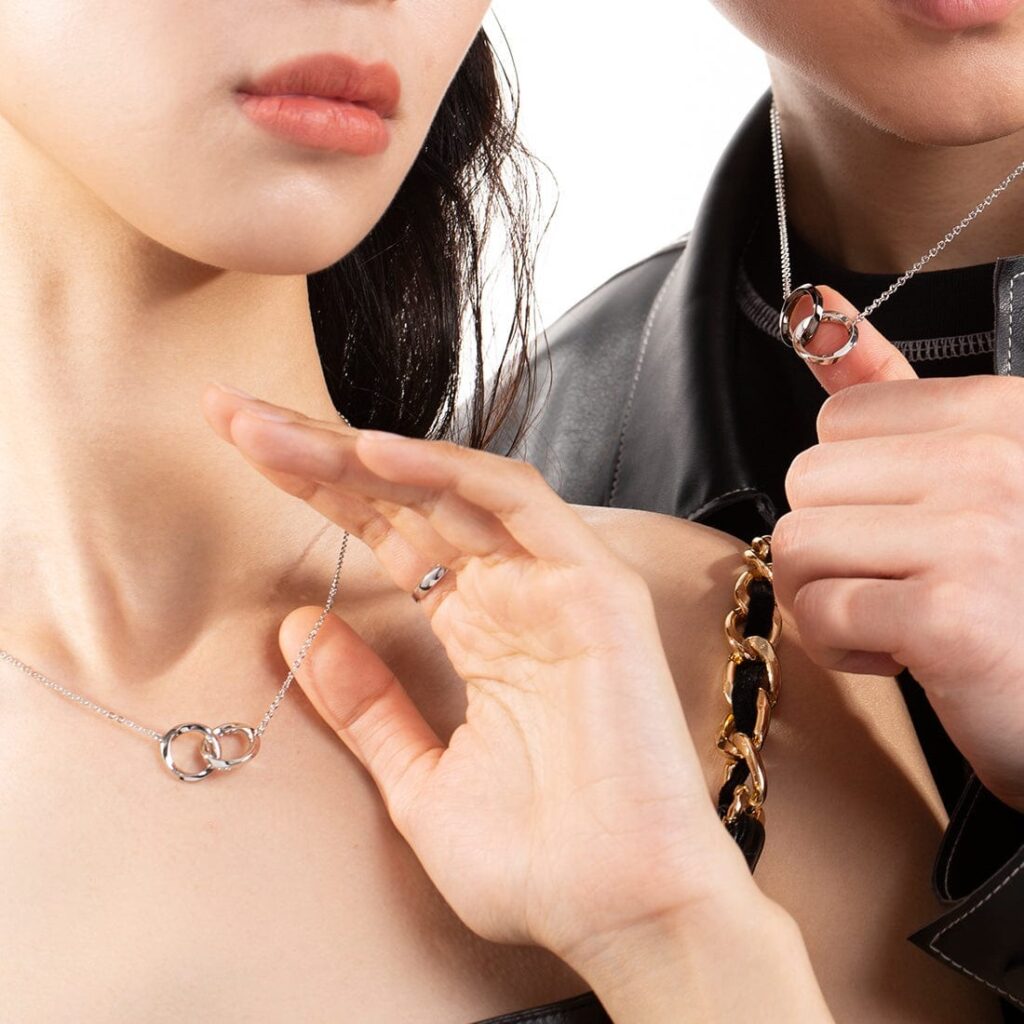
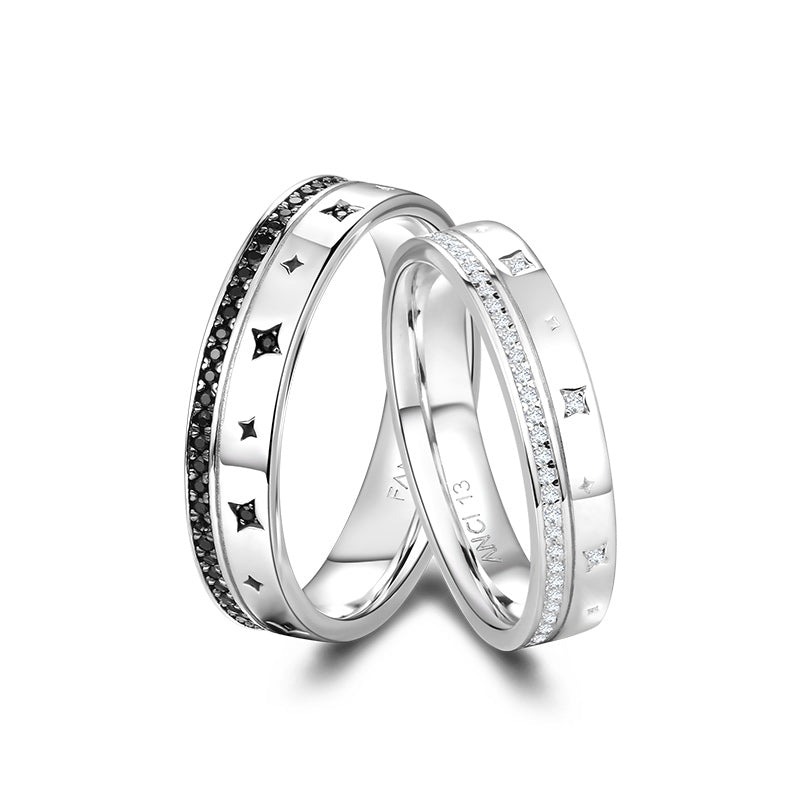
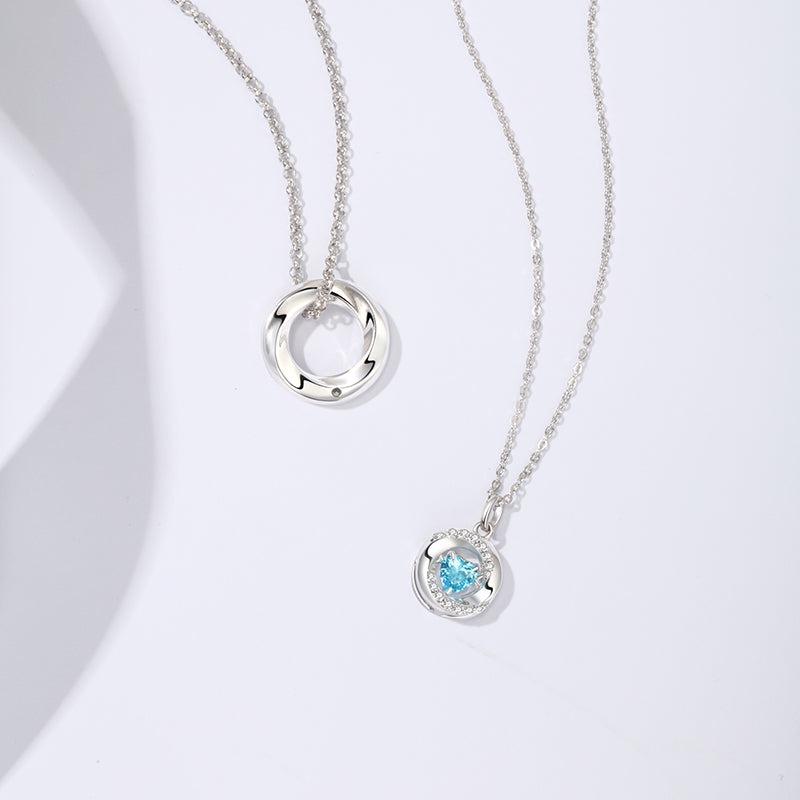
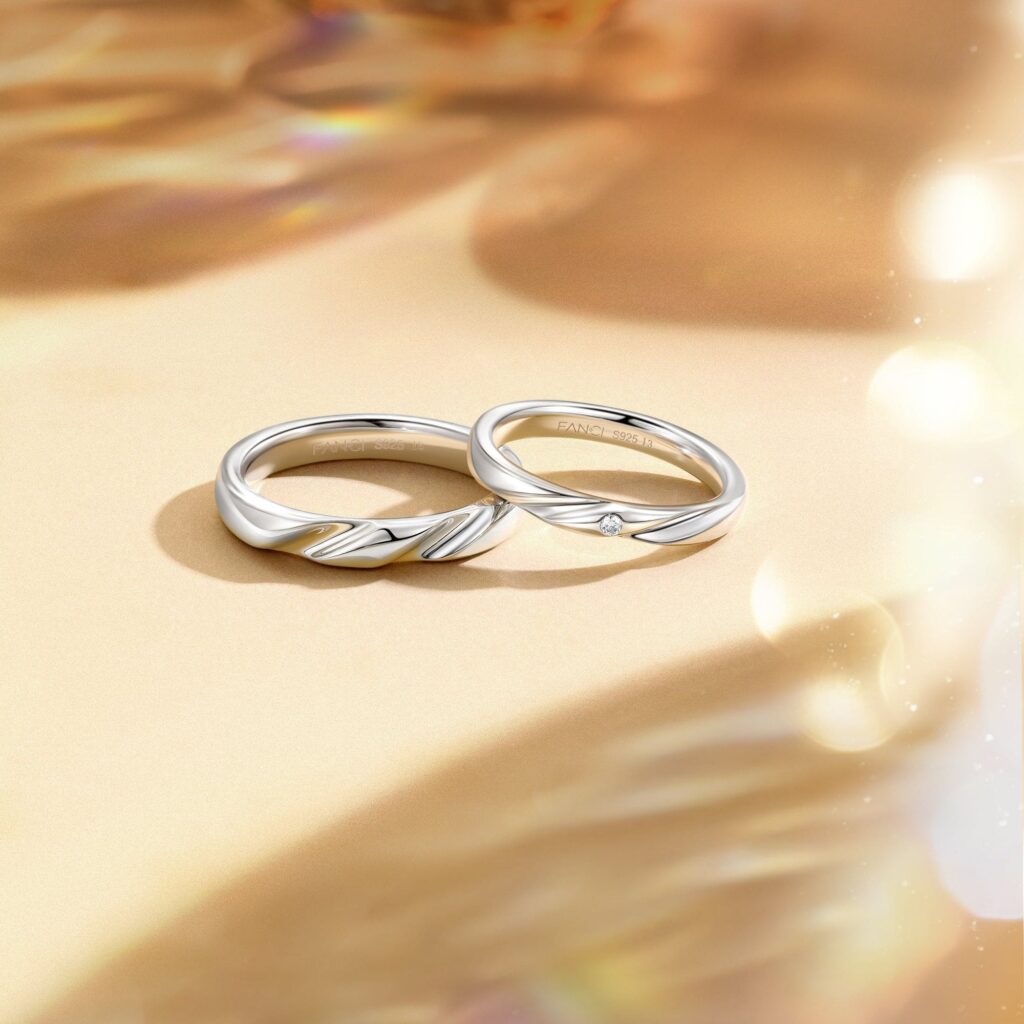
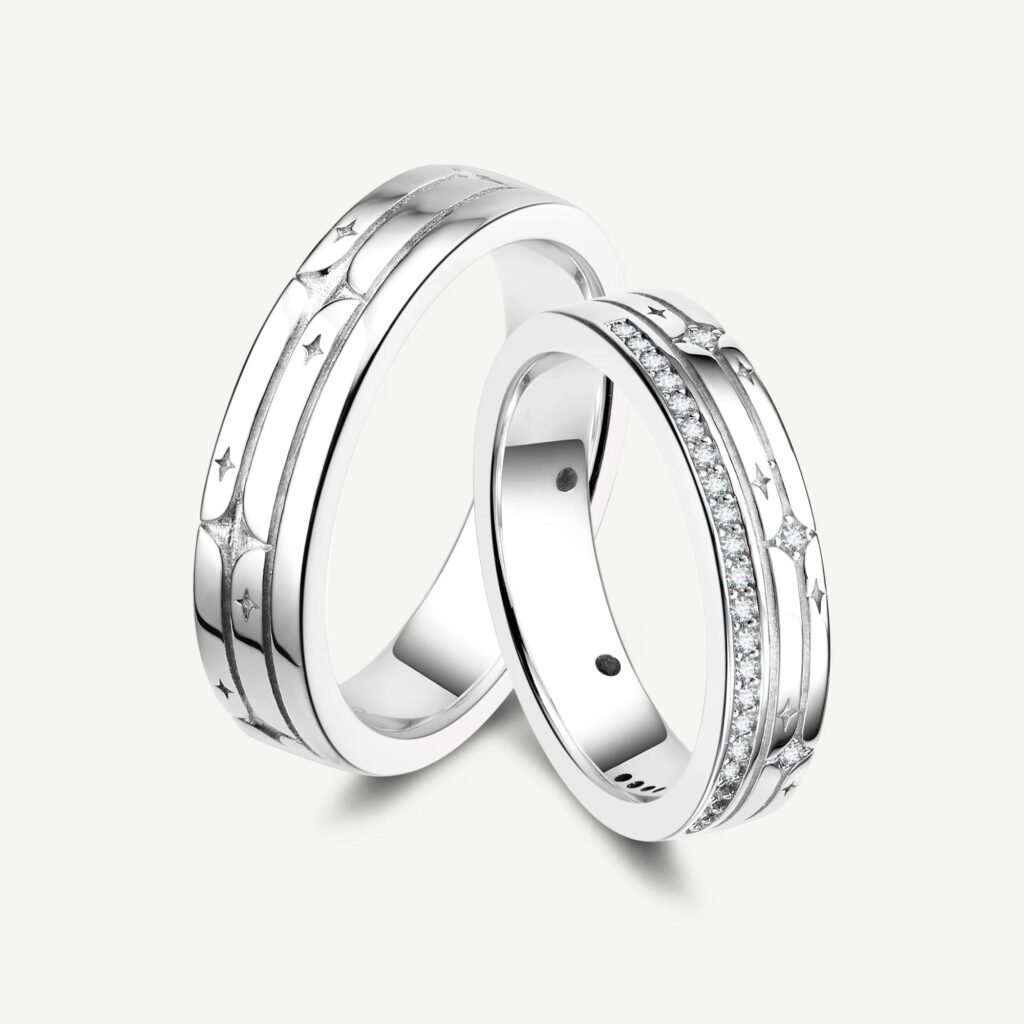
The final factor is that the design vocabulary has caught up. A decade ago, “matching family jewelry” mostly meant charm bracelets with names spelled out or twin heart pendants that looked cheap regardless of price. Contemporary designers — FANCI among them — have moved toward paired pieces that read as adult, wearable, and quiet. A Mobius circle, a paired eternity band, a shared motif rendered at different sizes for different wearers. These pieces suit a fifty-year-old and a fifteen-year-old at the same time, and that inclusivity is exactly what makes multi-generational wearing possible.
What Makes a Piece Work Across Ages
Not every design survives being worn simultaneously by three generations. Some pieces are too age-specific to translate, and picking one of those turns a family gesture into a costume. The pieces that succeed share a few traits worth naming explicitly.
Neutral Shapes Age Better Than Ornate Ones
A circle, a bar, a smooth stone in a simple bezel — these read as jewelry rather than as a specific fashion moment. Ornate designs place the piece too firmly in one decade, which then dates it for younger wearers and eventually for older ones too. The families that pull off shared pieces almost universally choose neutral, geometric forms and let scale do the differentiation. A grandmother might wear the largest version, a daughter the mid, a granddaughter the smallest — same shape, three sizes, no age mismatch.
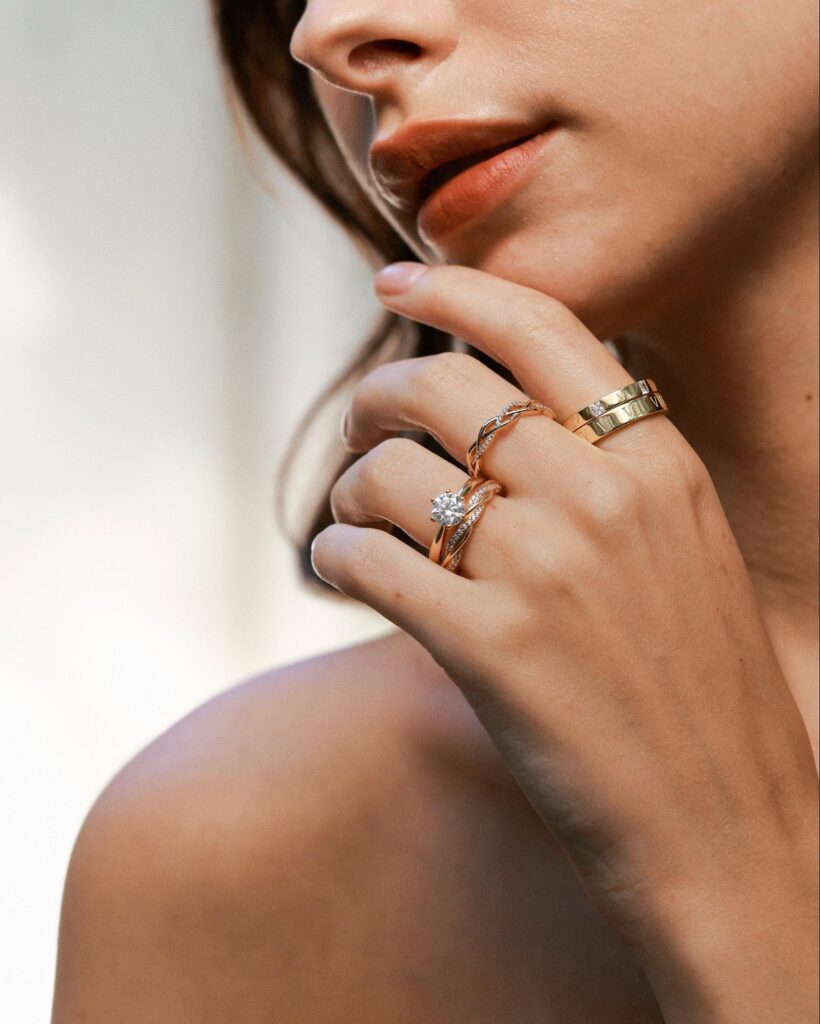
The same logic applies to metal. Solid sterling or solid gold ages gracefully across decades and across skin tones. Plating flakes on the youngest wearer first because teenagers wash their hands the most and take their jewelry off least; a shared piece must be made of a material that survives all three levels of care. Solid metal is the boring, correct answer.
Choose Formats That Each Wearer Can Personalize
A shared piece works better when each wearer can adjust its context slightly. A pendant on a chain length each person can choose. A ring in a finish each wearer picks. A stud earring that the youngest wears alone and the oldest wears alongside a larger existing piece. The pairing stays recognizable in photos but the individual expression stays intact on the wearer.
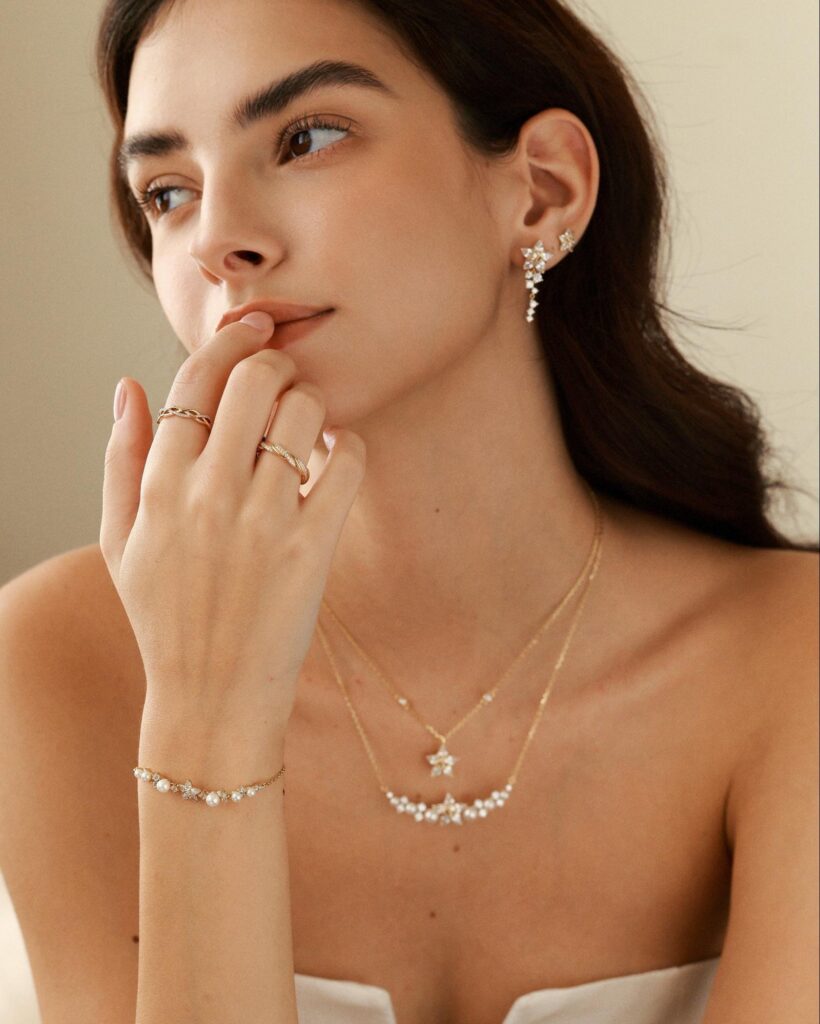
Families that force uniformity — identical chains, identical lengths, identical settings — tend to lose the youngest wearer first. Teenagers will tolerate a shared symbol; they will not tolerate wearing what looks like a family uniform. The successful pattern is same object, personal styling. Everyone recognizes the piece; nobody feels dressed by committee.
Starting a Family Piece Without Ceremony
The mistake families make when starting a shared piece is treating it like an announcement. The gesture works better when it emerges quietly. Consider giving the first two pieces on an ordinary occasion — not a birthday, not a wedding — and letting other members opt in over time rather than being handed one on a specific day.
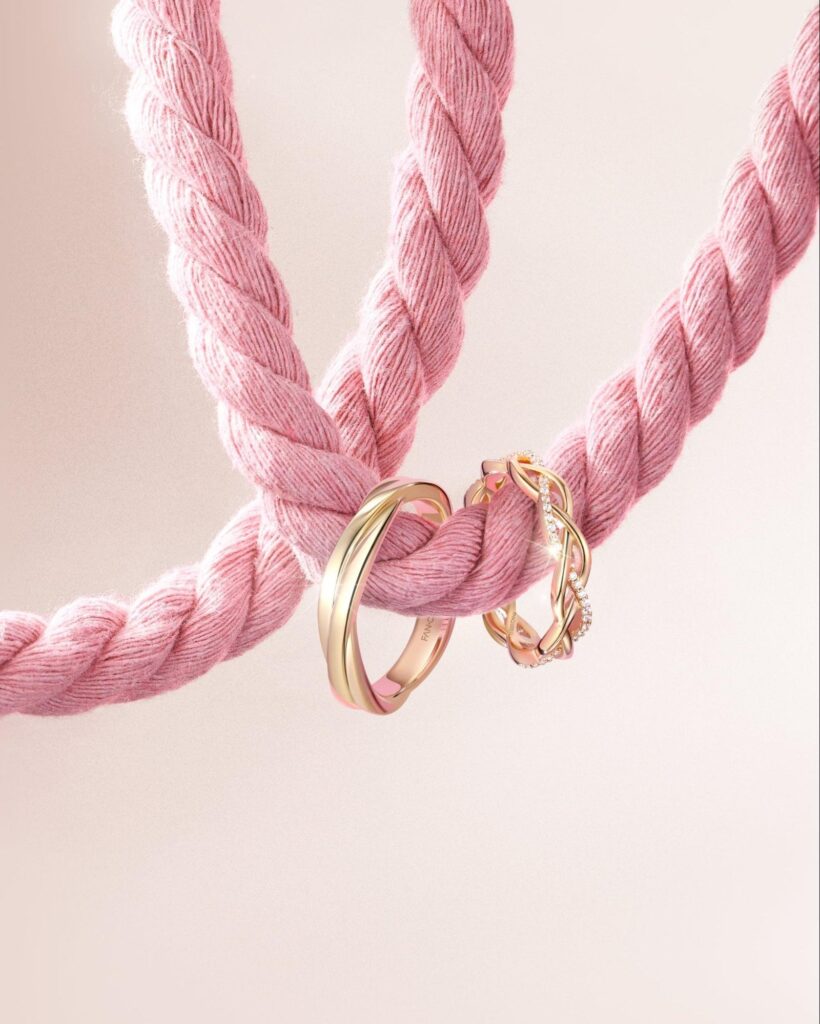
This is why the practice tends to start between two people first: a parent and one child, two siblings, a grandparent and a grandchild. Once two people in a family wear the piece, the design becomes recognizable at family gatherings, and other members quietly ask about their own. This organic uptake is the difference between a family piece and a family project. Nobody was told to wear it; they saw it, understood it, and asked for one.
Handle the Difficult Family Realities
Real families are not tidy. Members marry in and marry out, distances open up, relationships stretch and repair. A well-chosen family piece has to accommodate all of that without becoming a source of tension. Two useful rules: never treat the piece as a loyalty test, and never withhold one as a punishment. The moment the object gets used as currency in a family disagreement, the meaning collapses. It becomes about the fight and stops being about the family.
The piece also should not be tied to a bloodline in the giver’s head. Partners, adopted children, step-siblings, close family friends who have been present for decades — all of them can wear the piece if the family treats belonging as chosen rather than inherited. Modern families are wide, and the shared object should reflect that width rather than police it.
Keeping the Piece Alive Across the Decades
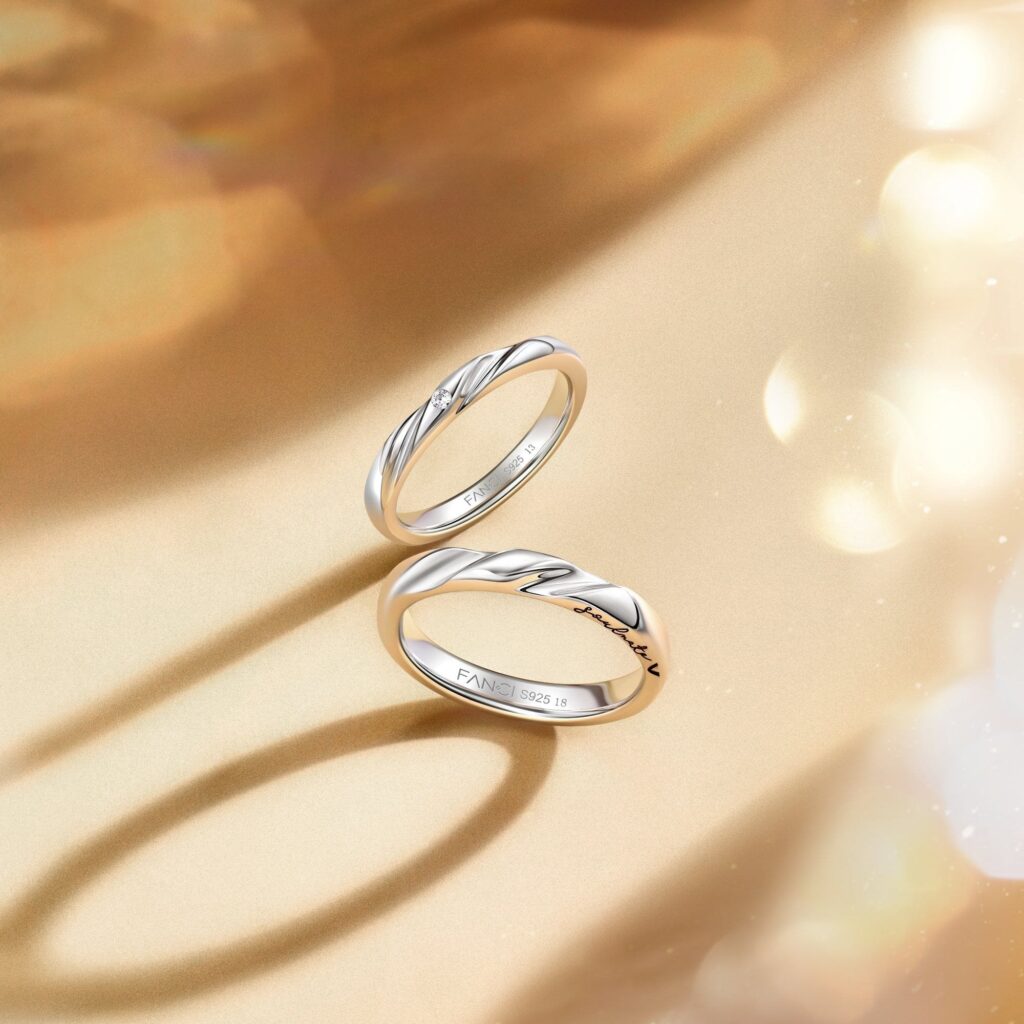
A family piece worn by five people over thirty years asks more of a jewelry item than a single-owner piece does. Plan for maintenance from the start. Choose a jeweler who can resize rings and replace clasps decades from now — most reputable workshops offer that service, and the FANCI collection is designed with future resetting in mind, which matters when a piece needs to travel from one wearer to another.
Individual wearers should follow ordinary care habits: take the piece off before swimming, showering, and sleeping when possible; wipe it with a soft cloth once a week; store it in a soft pouch. But the family piece has an extra layer of stewardship. When one wearer stops wearing hers — because life changes, because the piece needs a repair, because a season has shifted — the family should know how to bring the piece back into circulation gracefully. Often it moves to the next generation: the grandmother’s original piece resized for a granddaughter, the sibling’s ring given to a niece, the pendant re-strung on a new chain. Continuity matters more than pristine condition.
The last piece of stewardship is telling the story. A family piece survives generations because someone in each generation explains what it is. Not in a formal speech, just in passing — “this is the ring my mother and I both wore, and now I’m giving it to you.” One sentence, said honestly, does more to keep the meaning alive than a locked box of documentation ever would.
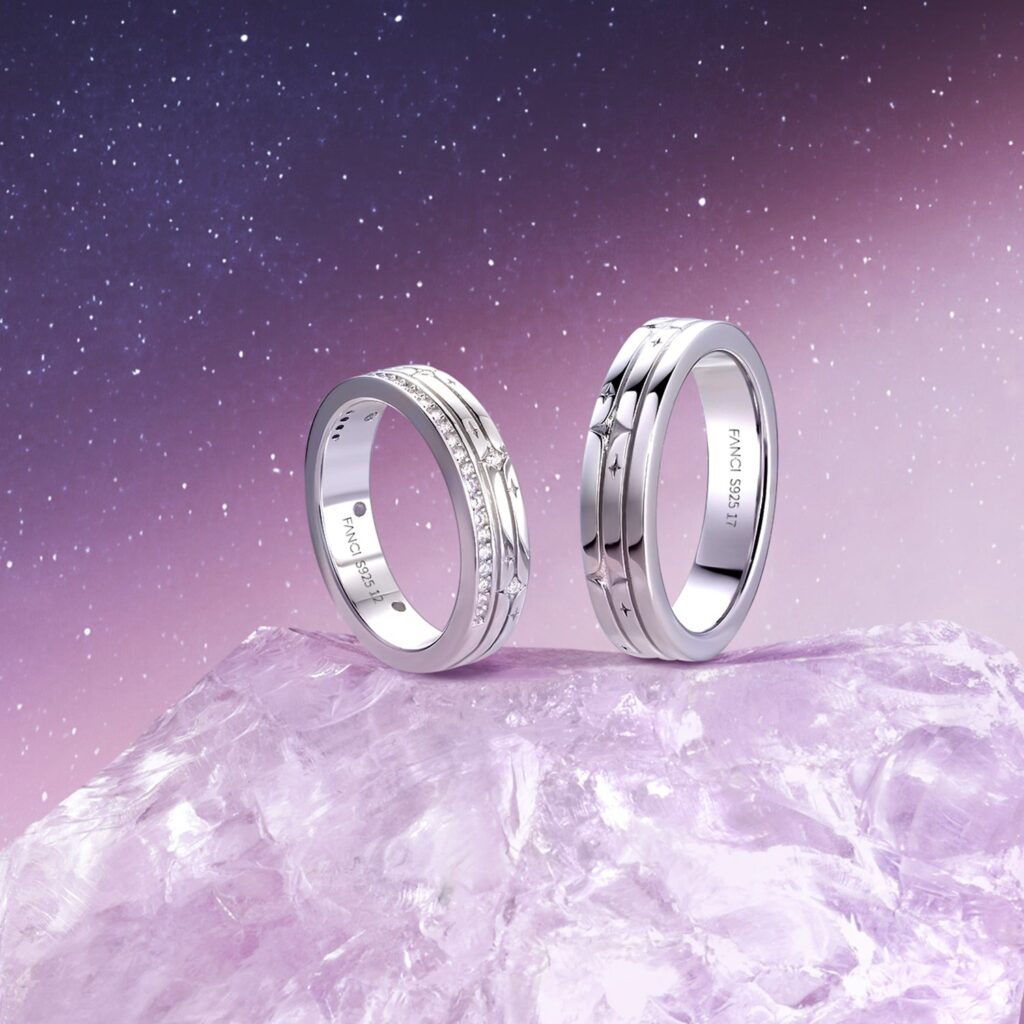
Done that way, the shared piece stops behaving like an object and starts behaving like a habit. Someone in the family is always wearing it. Photographs from any given decade contain at least one visible version. New members recognize the piece before they hear the story behind it, because they have already seen it on the people who welcomed them in. That is the trend beneath the trend — jewelry as the softest possible way to draw a family boundary without drawing a hard one.
The Emblem Worn Instead of Announced
The shared family piece is quietly replacing the singular heirloom because it fits the way modern families actually live — scattered, chosen, wide, and durable across change. It succeeds when the design is neutral enough to sit on any wrist in the family, the material is solid enough to survive three levels of daily care, and the introduction is casual enough to feel like an invitation rather than a decree. Handled that way, a small paired object accumulates weight faster than any single heirloom because more people are actively wearing it at the same time. Twenty years later the piece has appeared in weddings, funerals, ordinary Tuesdays, and childhood photos — and everyone in the family recognizes it on sight. That is the whole point. A family emblem does not need to be loud. It needs to be worn.