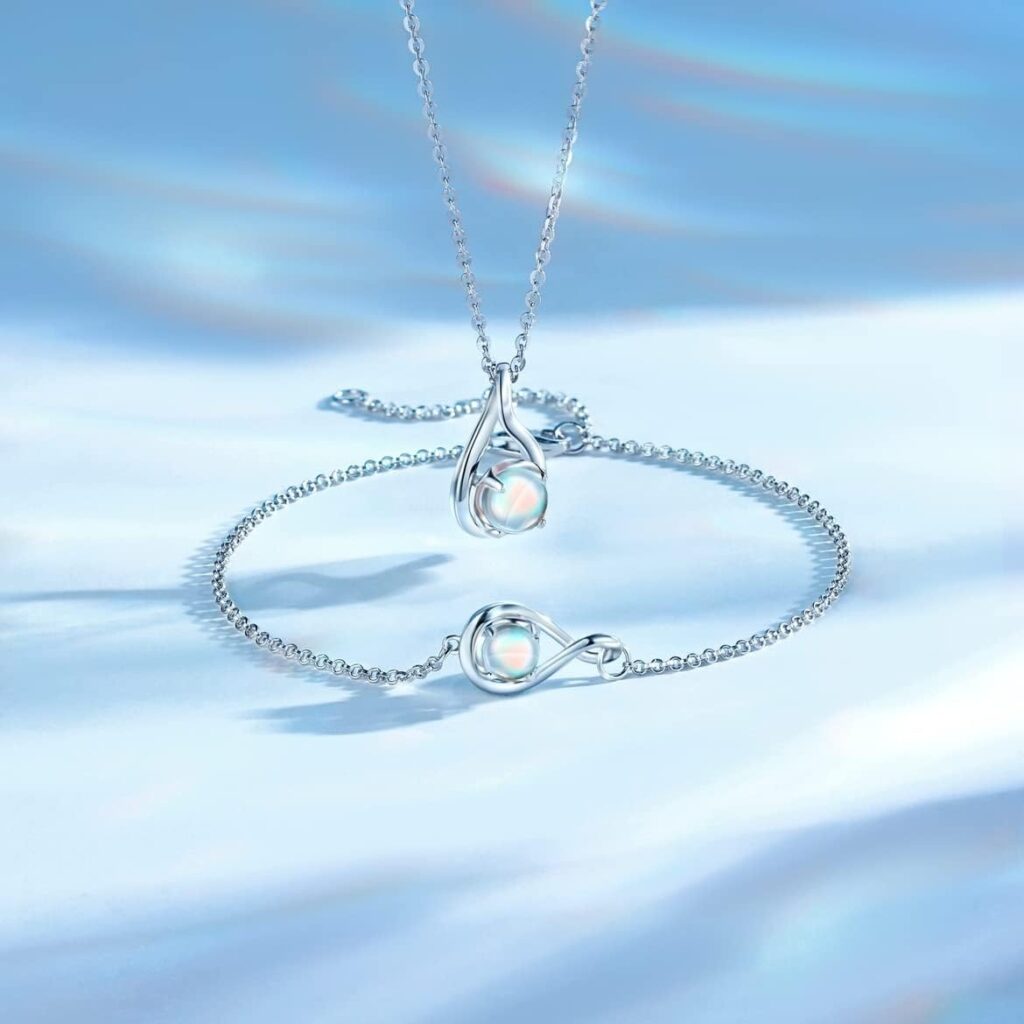
Every year, a new wave of jewelry trends appears: chunky chains one season, delicate charms the next, colored stones set at unusual angles the year after. Most of these pieces spend a bright twelve months in daily rotation before being quietly retired to the back of the drawer. Alongside them sits a category that operates on a different clock entirely. Birthstone jewelry rarely trends, yet it also rarely leaves. It occupies a strange and enviable position in the jewelry world.
This piece looks at the practical differences between birthstone jewelry and trend-driven pieces from the perspective of someone who cares about what they wear five years from now, not just next Saturday. The comparison is not about dismissing trends, which have their own value, but about understanding why one category ages gracefully while the other rarely does. If you are weighing where to put your next jewelry budget, or which gift will still feel right at a future anniversary, the following sections offer a clear-eyed look at the trade-offs.
Why Trend Pieces Fade Faster Than They Should
Trend jewelry is designed to feel new. That is both its strength and its weakness. The visual signal that made a piece exciting in month one often becomes the same signal that makes it feel dated in month eighteen. When a shape, chain type, or setting style becomes closely associated with a specific fashion moment, it carries that moment forward whether the wearer wants it to or not. Photographs from a few years back suddenly look aged, and the piece starts to feel like a costume rather than an accessory.
This is not a failure of the piece itself. Well-made trend jewelry can be beautifully constructed, and the pleasure of wearing something current is real. The issue is that trends are, by definition, tied to a period. A piece from a well-curated birthstone jewelry range does not carry that same time stamp. It signals a person rather than a period, which is what allows it to travel across changing fashion cycles without visibly aging alongside them.
The Case for Meaning Over Novelty
Novelty and meaning are not the same thing, though jewelry marketing often blurs them. A novel piece catches the eye through visual surprise. A meaningful piece holds the eye through personal association. Birthstones sit firmly in the second category. Their appeal is not that they look unlike anything else on the market, but that they refer to something specific to the wearer. That reference makes them personal in a way trend pieces almost never manage to be.
How Meaning Compounds Over Time
The value of a birthstone piece tends to grow rather than shrink with wear. A first birthstone ring given at eighteen becomes a memory anchor by thirty and a small heirloom by fifty. Each year of wear adds to the meaning rather than diluting it. Trend pieces experience the opposite pattern: their value peaks near the moment of purchase and decays with time as the trend they belonged to fades. This asymmetry is the strongest practical argument for putting jewelry budget toward pieces with personal significance.
How Style Preferences Actually Change
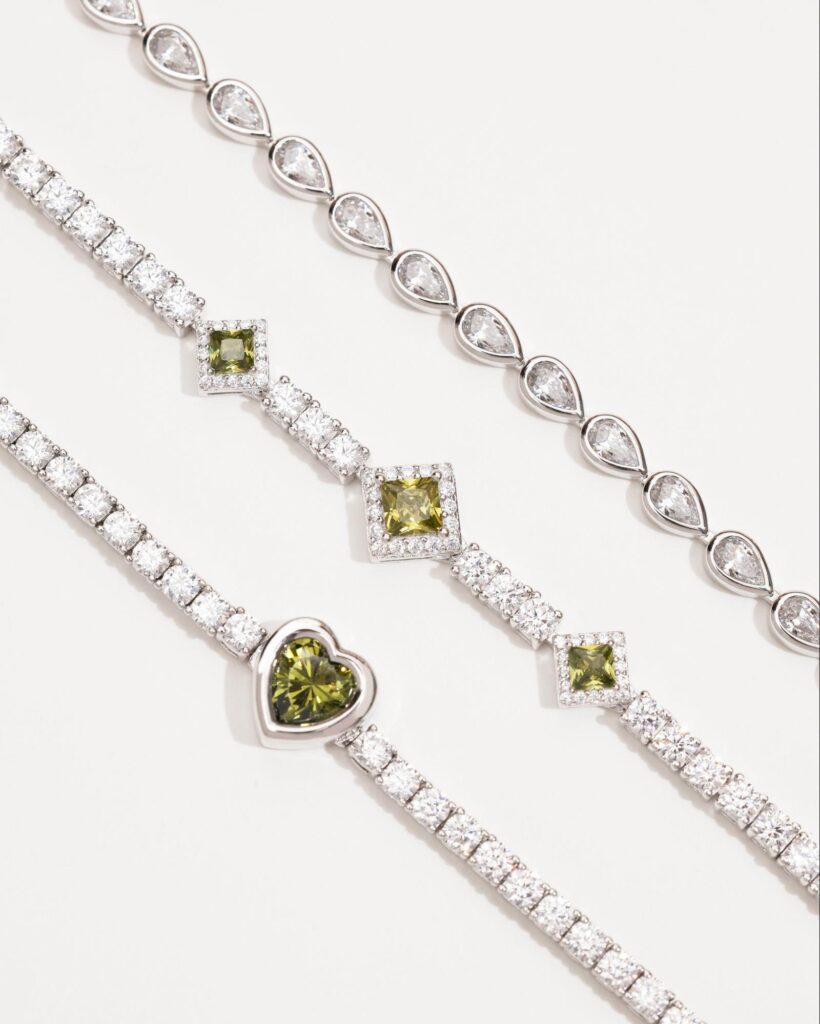
Personal style shifts slowly for most people, but shift it does. A twenty-year-old who loved bold silver often prefers finer gold at thirty-five. Someone who wore stacks of bracelets in one decade may drift toward a single quiet pendant in the next. Birthstone jewelry survives these shifts because the stone itself carries the meaning regardless of setting style. A garnet born into a chunky ring at eighteen can be reset into a simple bezel pendant at forty and remain the same birthstone, only in a new form.
Design Choices That Age Well
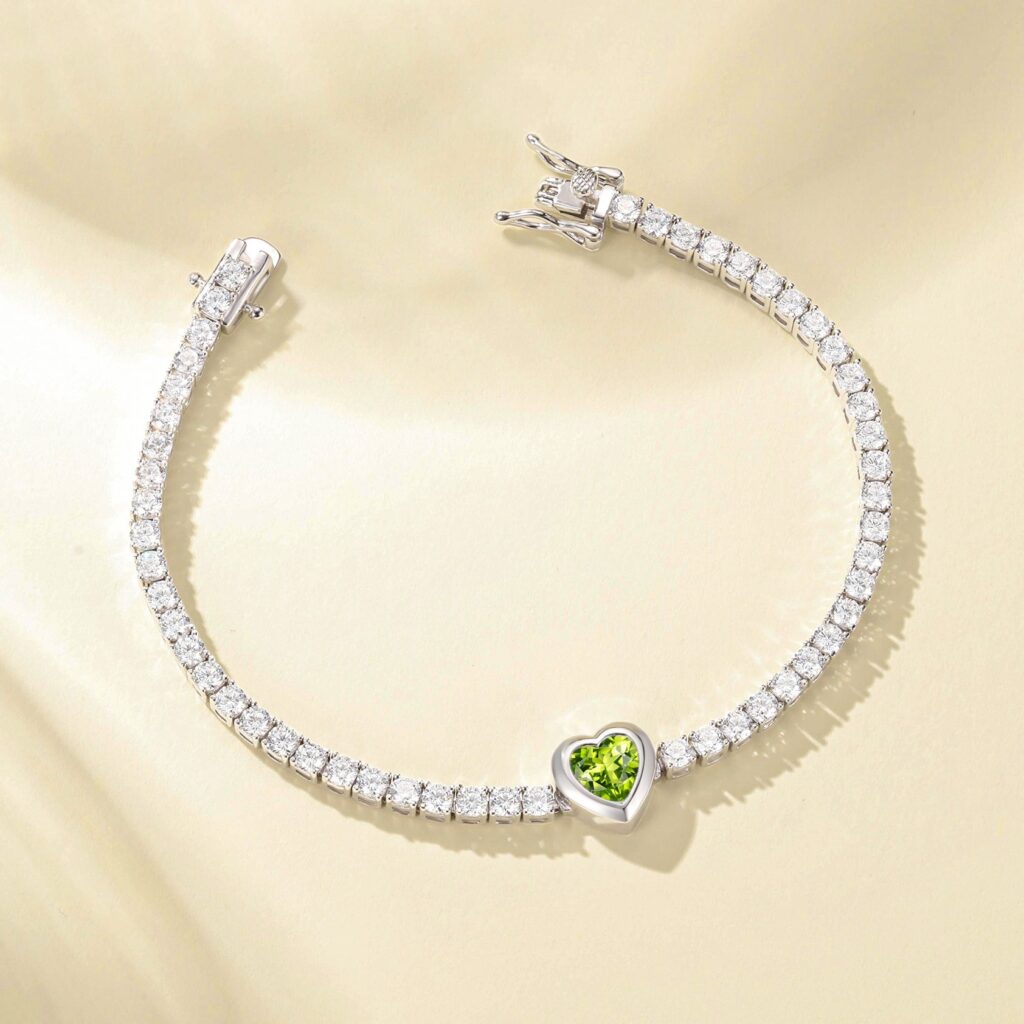
Not every birthstone piece automatically resists aging. Design decisions matter. Settings that lean too heavily into current fashion cues carry the same time-stamp problem as any other trend piece. A birthstone framed by design elements that were popular for a single season will feel dated when that season passes, even though the stone itself does not. Choosing settings that stay close to classical forms, such as bezels, simple prongs, or clean solitaires, gives the stone the best chance of aging with the wearer rather than against them.
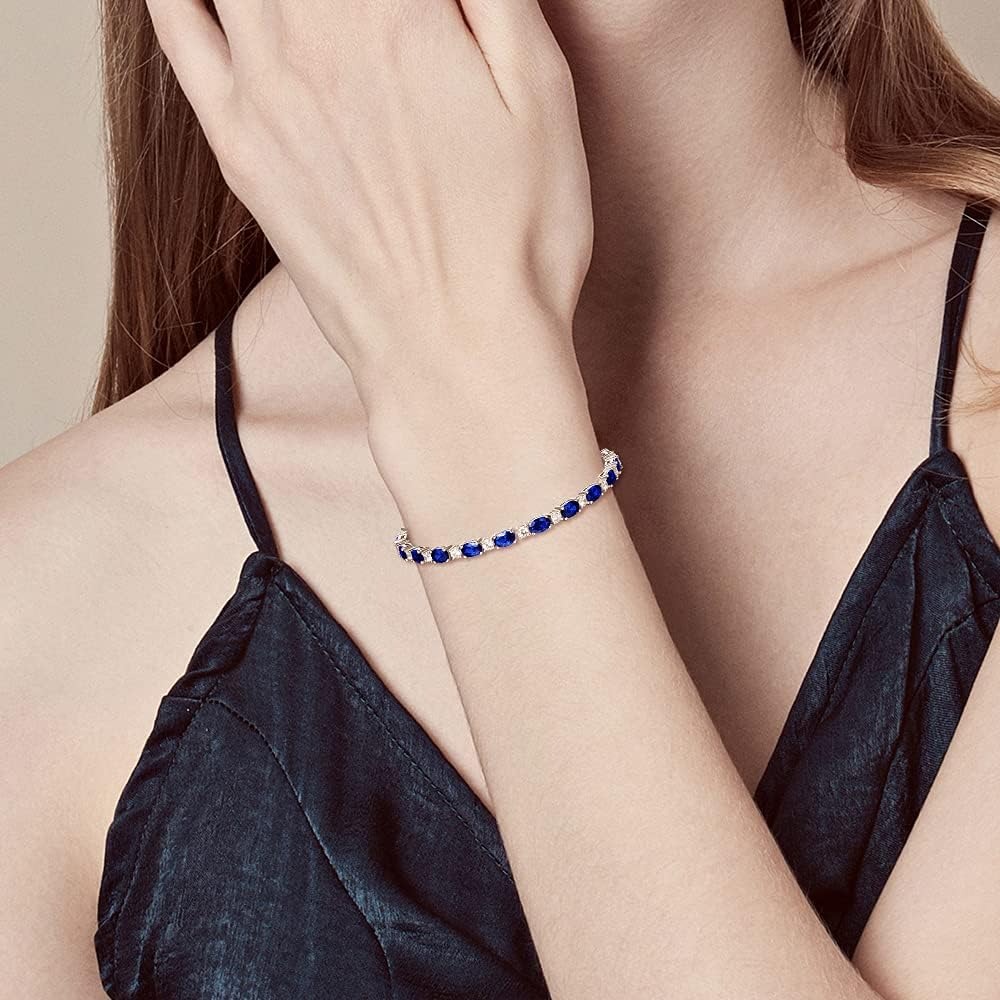
The same logic applies to chain and band choices. A moderate cable chain has held its place for over a century and still reads as current. A very specific link style that took over shop windows for two seasons often looks unmistakably tied to that period five years later. When in doubt, err on the side of simpler forms. A quieter setting lets the birthstone remain the focal point, and a quieter focal point is what allows the piece to keep functioning across changing tastes.
Everyday Wearability Compared
Trend jewelry often prioritizes visual impact over practical wearability. Oversized links, sharp edges, or unusual proportions look striking in editorial photography but can be uncomfortable during a normal day of typing, cooking, or lifting bags. Birthstone jewelry, especially in well-considered settings, tends to lean the other way. The stone anchors the design, and everything around it can be built for comfort rather than dramatic silhouette.
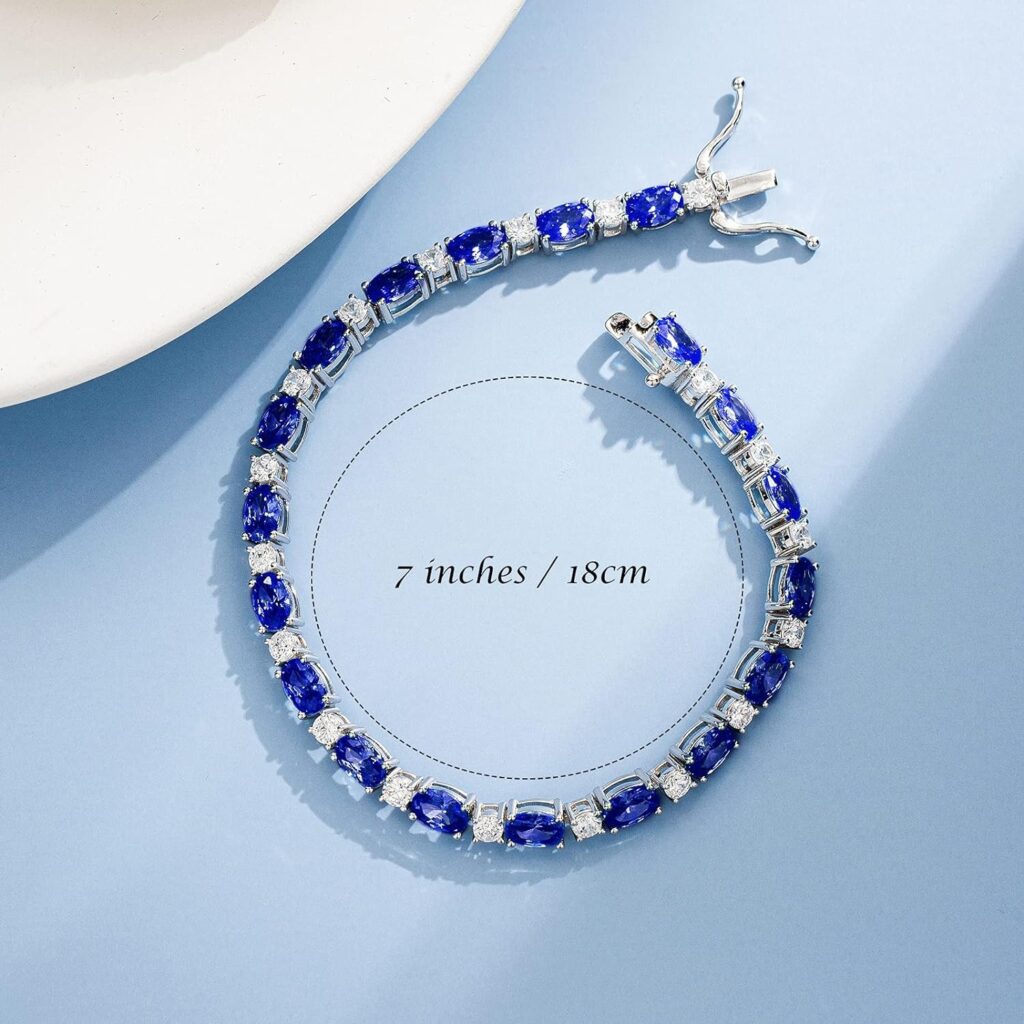
This matters more than it sounds. A piece that gets worn every day accumulates memories in a way that a piece worn twice a year cannot. Wearability is what turns a purchase into a companion object. Trend pieces that reserve themselves for special occasions rarely reach that status. Birthstone pieces that fit into ordinary routines almost always do, which is why so many first birthstone gifts end up being the most worn piece in a person’s collection decades later.
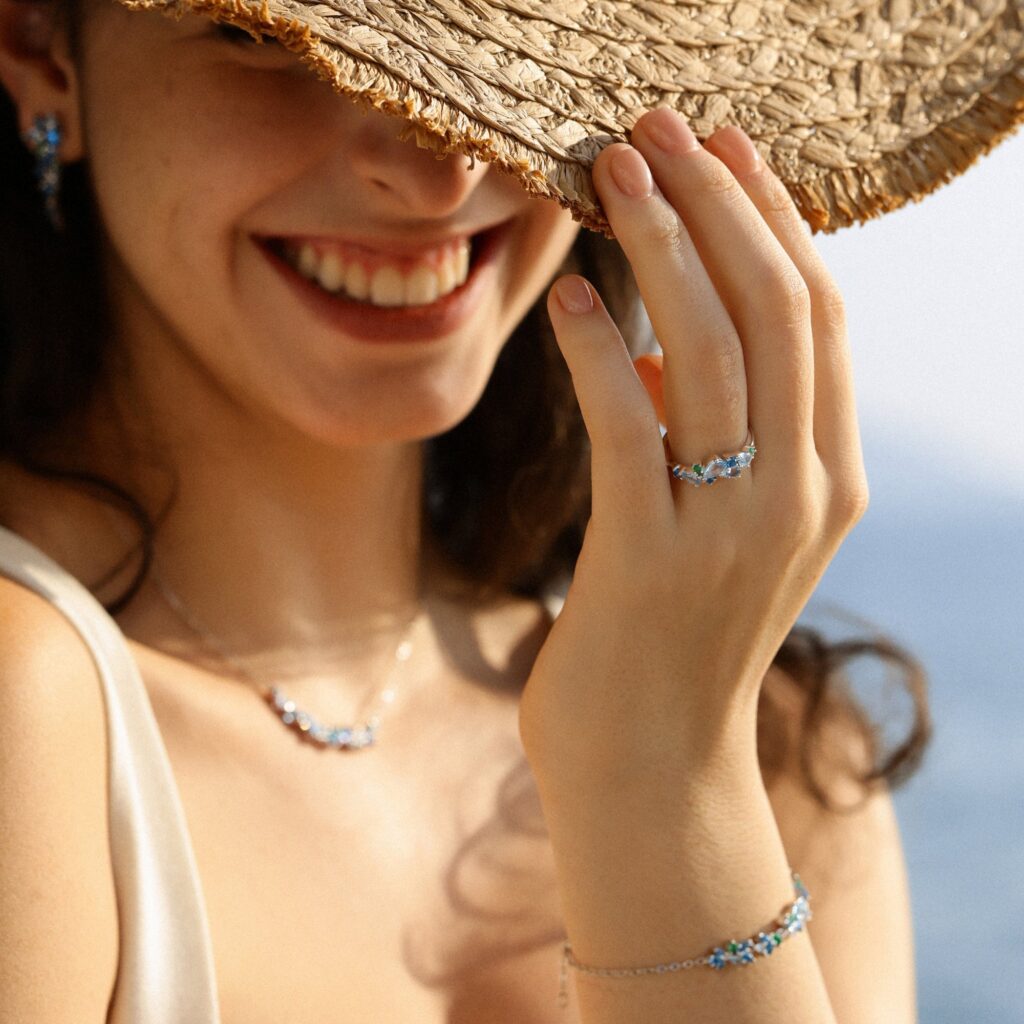
Investment and Resale Perspective
Neither trend jewelry nor birthstone jewelry is a strong financial investment in the strict sense; both categories lose retail markup the moment they leave the store. Where they differ is in perceived value over time. A trend piece from a discontinued collection often sells at a steep discount on secondary markets. A well-made birthstone piece, particularly in a classical setting, tends to hold its value better because demand for birthstones does not tie to a specific fashion cycle.
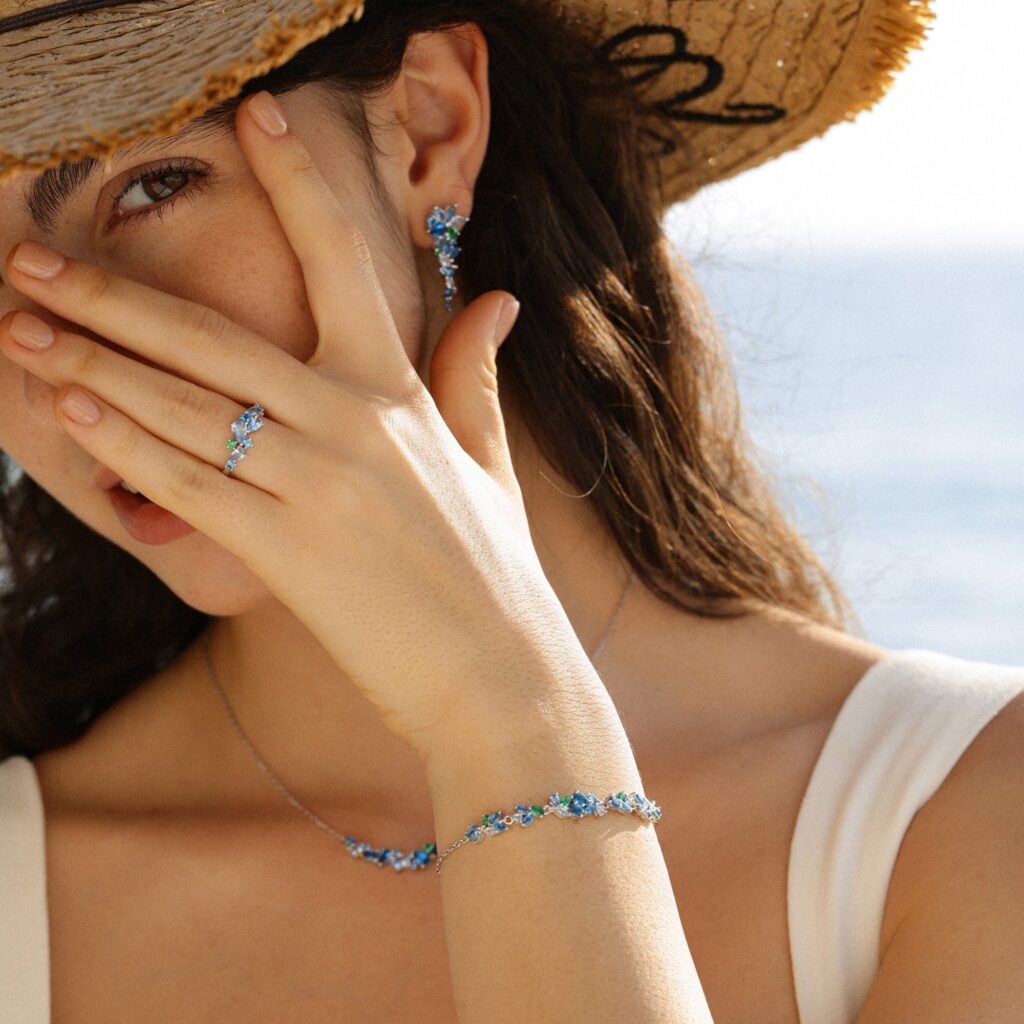
More importantly, birthstone pieces tend to stay within families rather than being sold. Their meaning makes them heirloom candidates in a way trend pieces almost never are. That is a form of value that does not show up in resale figures but matters greatly to anyone thinking about jewelry as a long-term possession. The piece is not intended to be liquidated; it is intended to be passed on, which is a very different kind of worth.
When Trend Pieces Still Earn Their Place
None of this argues that trend jewelry should be avoided. Trend pieces have a legitimate role in a well-rounded collection: they express the moment, they respond to changing tastes, and they carry the pleasure of the new. The healthy approach is to buy trend pieces at a scale that matches their expected lifespan. Spending modestly on a piece with a two-year prime is sensible; spending heavily on it usually is not. Reserve the larger budget for pieces designed to last, and let trend items rotate through at prices that match their shelf life.
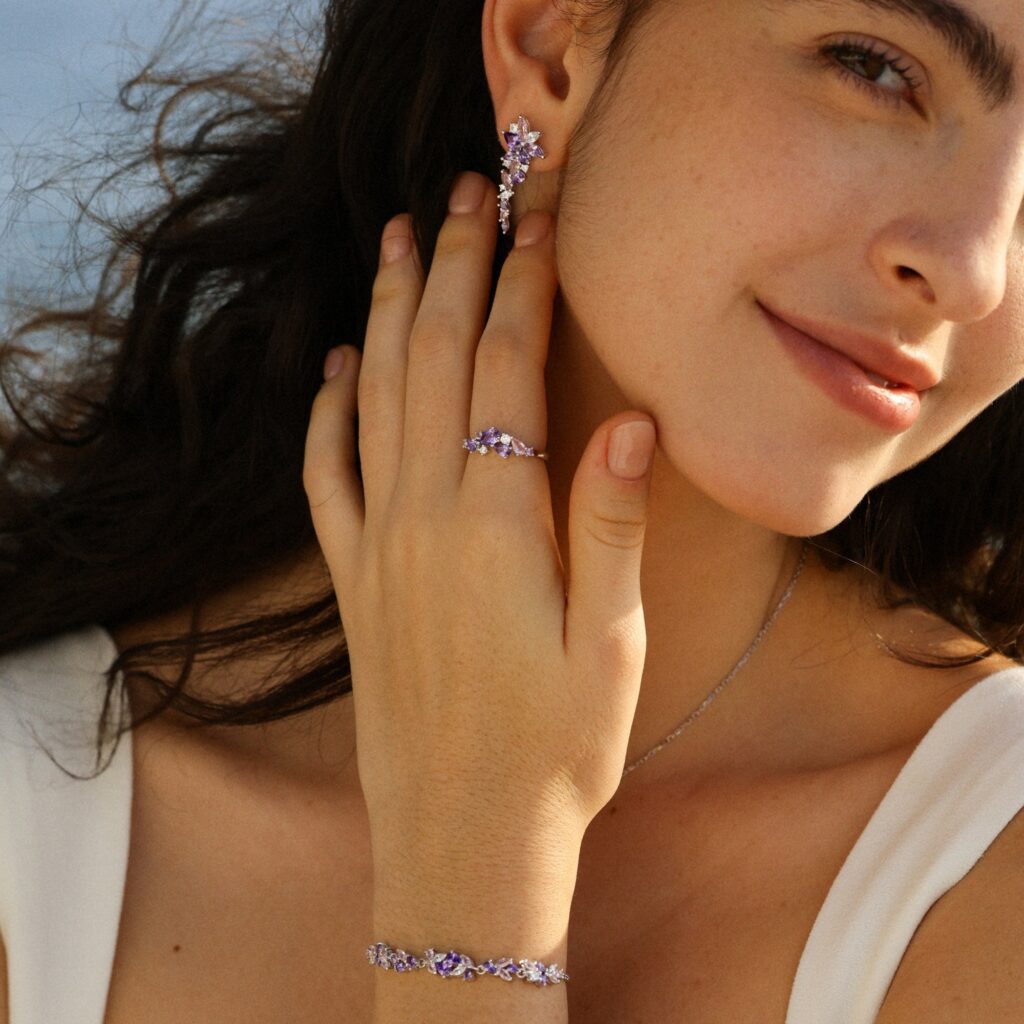
Balance is what makes a collection feel alive rather than either dated or stagnant. A birthstone piece from a specialist maker such as FANCI anchors the collection with something personal and long-lasting, while lighter trend purchases keep the drawer feeling fresh season to season. Both categories serve, and neither has to crowd the other out. The mistake is treating trend jewelry as though it were heirloom material, or treating birthstone jewelry as though it needed to constantly reinvent itself to stay relevant.
Making the Choice for a Specific Occasion
For gifts marking real milestones, birthstone pieces almost always outperform trend jewelry. Birthdays, anniversaries, graduations, and significant thank-yous benefit from the specificity a birthstone carries. For casual gifts or purchases meant to celebrate a particular moment in personal style, trend jewelry can be exactly right. Matching the piece to the occasion, rather than defaulting to whichever category is more familiar, produces better results in both cases.
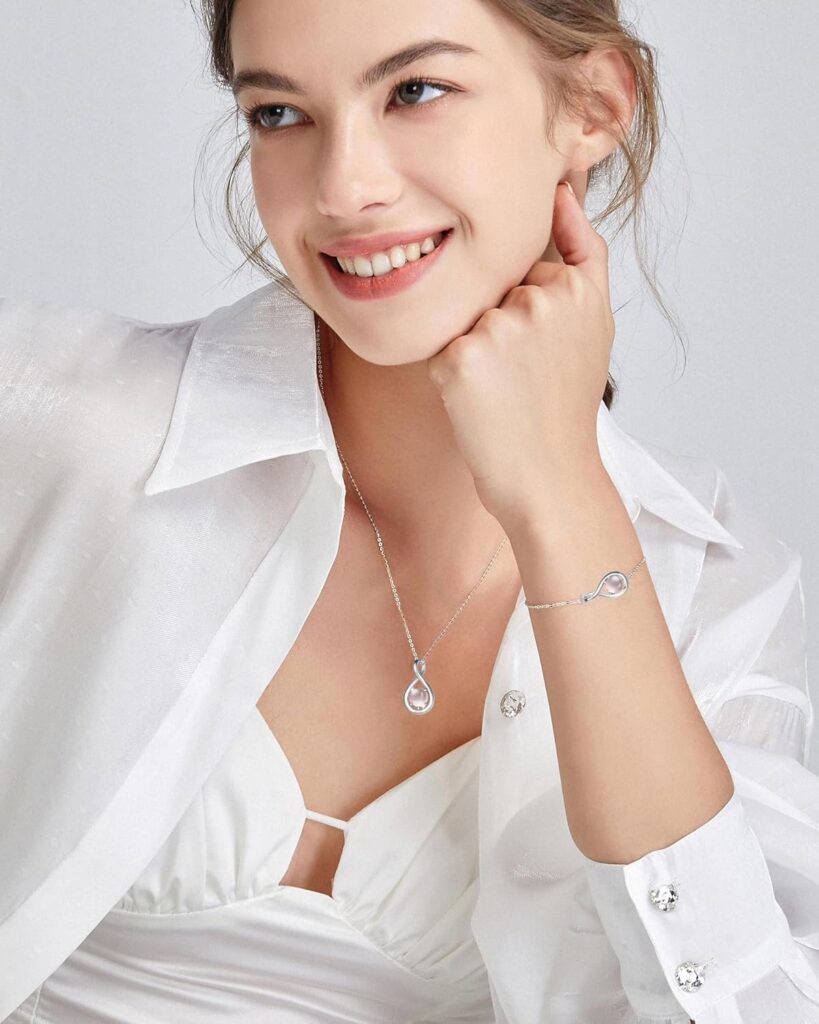
Ask what you want the piece to say five years from now, not just today. If the answer is something about the person wearing it, choose a birthstone piece. If the answer is about a specific moment in fashion, a trend piece will do the job well. Both answers can be correct depending on the context; the mistake lies in confusing the two categories at the point of purchase.
What Stays When Trends Move On
The clearest test of any jewelry choice is how it looks and feels ten years after purchase. Trend pieces from a decade ago read as artifacts of their moment, sometimes affectionately, sometimes awkwardly. Birthstone pieces from the same period usually read simply as jewelry, without a specific era attached. That difference is not accidental. It reflects a fundamental design decision at the point of purchase: whether the piece is anchored to a person or to a period.
Birthstone jewelry offers a rare kind of longevity in a category built around change. It gains meaning as it is worn, resists dating as fashion moves, and stays worthy of passing on. That does not make trend pieces wrong, only different in purpose. Understanding the difference lets you choose deliberately rather than defaulting to whichever category dominates the current season. When the goal is something lasting, personal, and quietly powerful, a birthstone almost always wins the comparison.