
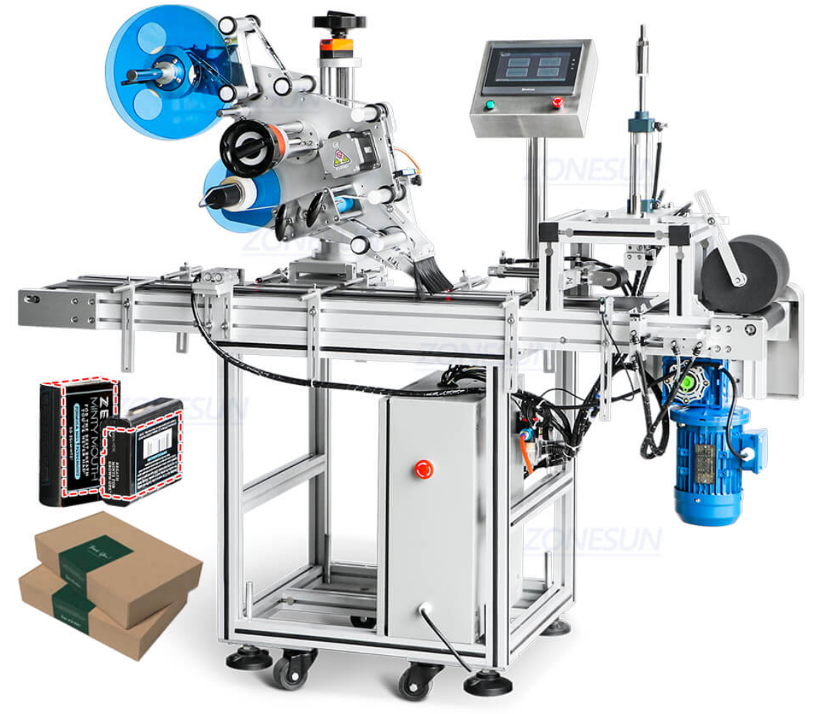
In today’s fast-evolving manufacturing and packaging landscape, staying ahead of technological trends is essential. One of the most impactful innovations in the packaging industry is the evolution of the labeling machine. Modern labeling machines are no longer simple tools for sticking labels—they are intelligent, automated systems designed to improve efficiency, accuracy, and overall product presentation. For manufacturers and packaging companies, understanding the latest labeling machine trends is critical to maintaining a competitive edge, reducing waste, and meeting the growing demands of modern production lines.
Automation and High-Speed Production
A key trend in labeling machines is advanced automation. Modern machines can label thousands of products per hour, whether they are bottles, cans, jars, tubes, or boxes. Automation provides several advantages:
l Precision: Advanced sensors and servo-controlled systems ensure that labels are applied consistently at the correct position, minimizing errors.
l Efficiency: High-speed labeling reduces bottlenecks in production, allowing manufacturers to meet large-scale output requirements.
l Labor Savings: Automated systems reduce dependency on manual labor, freeing staff for higher-value tasks and lowering operational costs.
l Versatility: Many automated labeling machines can handle various container types without compromising speed or accuracy.
For high-volume industries such as food and beverage, pharmaceuticals, and personal care, these automated systems are indispensable. They allow companies to maintain consistency while complying with strict regulatory and safety standards.
Smart and Connected Labeling Machines
Another significant trend is the adoption of smart, connected labeling machines integrated with Industry 4.0 technologies. These machines leverage IoT connectivity, real-time monitoring, and data analytics to improve operational efficiency. Key benefits include:
1. Performance Analytics: Manufacturers can track labeling accuracy, machine performance, and production output in real-time.
2. Predictive Maintenance: IoT-enabled labeling machines can detect wear and potential failures, allowing maintenance to be scheduled proactively, reducing downtime.
3. Remote Control and Integration: Smart labeling machines can integrate seamlessly with upstream and downstream production equipment, enabling synchronized operations across the entire production line.
This connectivity also supports compliance, ensuring that labeling data—such as batch numbers, expiration dates, and barcodes—is accurately captured and traceable, which is especially important in the pharmaceutical and food industries.
Flexible and Adaptive Labeling Solutions
Modern packaging is highly diverse, and labeling machines are evolving to meet these demands. Today’s adaptive labeling machines can handle:
l Multiple Shapes and Sizes: Cylindrical bottles, irregular containers, pouches, and boxes can all be labeled without extensive setup changes.
l Small-Batch and Multi-SKU Production: Quick changeover capabilities allow manufacturers to switch between products efficiently, reducing downtime.
l Special Label Types: Adhesive labels, shrink sleeves, and wrap-around labels can be applied with high accuracy for premium product lines.
This flexibility is critical for companies offering seasonal products, promotional packaging, or personalized labeling. It allows businesses to maintain high-speed production while delivering visually consistent and professional packaging.
Sustainable Labeling Practices
Sustainability is increasingly shaping packaging technology, and labeling machines are no exception. Modern systems focus on:
1. Eco-Friendly Materials: Machines can handle recycled and biodegradable labels.
2. Waste Reduction: Precision dispensing and adhesive optimization minimize material waste.
3. Energy Efficiency: New machines consume less power and are designed for minimal environmental impact.
Sustainable labeling practices not only help reduce operational costs but also support corporate social responsibility and appeal to environmentally conscious consumers.
Enhanced Quality Control Features
Quality control remains a central focus of modern labeling machines. Many systems include integrated vision inspection and camera systems to ensure flawless label application. Benefits include:
l Error Detection: Immediate identification of misaligned, missing, or defective labels.
l Regulatory Compliance: Ensures labels meet industry standards and legal requirements.
l Brand Protection: Consistently applied labels improve product presentation and enhance consumer trust.
In industries like pharmaceuticals, chemicals, and food and beverage, such quality control is critical for safety, compliance, and reputation management.
Conclusion
The latest trends in labeling machines highlight the industry’s shift toward automation, smart connectivity, adaptability, sustainability, and enhanced quality control. Manufacturers who adopt modern labeling machines can increase production efficiency, reduce errors, and maintain consistent product presentation. These innovations not only improve operational performance but also ensure compliance and strengthen brand image.
As the packaging industry continues to evolve, investing in advanced labeling machines is no longer optional—it is a strategic necessity for businesses aiming to stay competitive in a high-speed, high-quality manufacturing environment.