
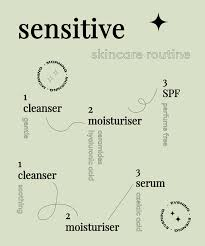
Having sensitive skin often feels like walking through a minefield. One day your face is calm and clear, and the next, a simple change in weather or a new laundry detergent leaves you red, itchy, and irritated. It’s frustrating when you just want to feel comfortable in your own skin. The good news is that managing sensitivity isn’t about buying the most expensive serum or following a twenty-step regimen. It is about simplicity, consistency, and understanding the ingredients that truly nourish your barrier.
When you have sensitive skin, less is almost always more. You need to strip back the noise and focus on products that repair and protect. While you might see trendy, potent actives advertised everywhere, a responsible facial skincare product manufacturer knows that formulating for sensitive skin requires a delicate balance of soothing botanicals and barrier-strengthening lipids, rather than harsh exfoliants or synthetic fragrances. This guide will walk you through a gentle, effective routine designed to calm the chaos and restore your glow.
Understanding Sensitive Skin Triggers
Before diving into the routine, it helps to understand what you are fighting against. Sensitive skin is essentially a weakened skin barrier. When this protective outer layer is compromised, irritants can get in, and moisture easily escapes. This leads to that familiar tightness, redness, and stinging sensation.
Common culprits that worsen sensitivity include:
- Over-exfoliation: Scrubbing too hard or using strong acids too often.
- Fragrance: Both synthetic perfumes and natural essential oils can be major irritants.
- Hot water: Washing your face with steaming hot water strips away natural oils.
- Harsh sulfates: Ingredients like Sodium Lauryl Sulfate (SLS) in cleansers can be too drying.
The Morning Routine: Protect and Hydrate
Your morning goal is simple: prepare your skin to face the day’s aggressors like pollution, UV rays, and dry air.
Step 1: A Gentle Cleanse (or Just Water)
If you have extremely dry or reactive skin, you might not even need a cleanser in the morning. Simply splashing your face with lukewarm water can be enough to refresh your skin without stripping it. If you feel oily or sweaty when you wake up, opt for a non-foaming, creamy cleanser. These milky textures lift away impurities without disrupting your skin’s pH balance.
Step 2: Soothing Toner or Essence (Optional)
Toners used to be alcohol-heavy astringents that stung the skin. Today, hydrating toners are much different. Look for ingredients like centella asiatica (cica), aloe vera, or cucumber extract. Patting a soothing essence onto damp skin can instantly reduce redness and prepare your face to absorb moisturizer. If this step feels like too much, skip it. Simplicity is your best friend.
Step 3: Barrier-Boosting Moisturizer
This is non-negotiable. You need a moisturizer that acts as a seal. Look for products containing ceramides, hyaluronic acid, and fatty acids. Ceramides are lipids that mimic your skin’s natural structure, helping to “mortar” the bricks of your skin cells back together. Apply your moisturizer while your skin is still slightly damp to lock in that hydration.
Step 4: Sunscreen Is Mandatory
Sun damage inflames the skin, making sensitivity significantly worse. However, chemical sunscreens can sometimes cause stinging for sensitive types. Mineral sunscreens (containing zinc oxide or titanium dioxide) are often better choices. They sit on top of the skin to reflect UV rays rather than being absorbed, which minimizes the risk of irritation. Aim for at least SPF 30 every single day.
The Evening Routine: Repair and Reset
Nighttime is when your skin does its heavy lifting. While you sleep, your body goes into repair mode, making this the perfect time to feed your skin soothing ingredients.
Step 1: The Double Cleanse (If Wearing Makeup)
If you wear makeup or heavy sunscreen, a single wash might not cut it. Start with a cleansing balm or oil. Massage it gently into dry skin to dissolve makeup without tugging or scrubbing. Rinse it off, then follow with your gentle, water-based cleanser. This ensures your skin is clean without the need for harsh scrubbing.
Step 2: Targeted Treatments (Proceed with Caution)
If you want to address concerns like fine lines or texture, be very careful. Retinoids and AHAs (alpha hydroxy acids) can be disastrous for sensitive skin if used incorrectly.
- The Sandwich Method: If you must use an active ingredient, apply a layer of moisturizer first, then the treatment, then another layer of moisturizer. This buffers the potency.
- Alternatives: Consider bakuchiol, a plant-based alternative to retinol that is generally much better tolerated by sensitive skin types.
Step 3: Rich Night Cream
Your night cream should be slightly heavier than your day cream. Look for occlusive ingredients like shea butter or squalane. Squalane is particularly excellent because it mimics the skin’s natural oils and is non-comedogenic (won’t clog pores).
Ingredients to Embrace vs. Avoid
Knowing your ingredient list is the most powerful tool in your kit. You don’t need a chemistry degree, just a quick cheat sheet.
Friends of Sensitive Skin
- Niacinamide: A form of Vitamin B3 that calms inflammation and strengthens the barrier.
- Oat Extract (Colloidal Oatmeal): incredibly soothing for itchy, red skin.
- Allantoin: A compound found in the comfrey plant that promotes healing.
- Glycerin: A humectant that draws moisture into the skin without being heavy.
Enemies of Sensitive Skin
- Alcohol (Denat. or Isopropyl): incredibly drying and irritating.
- High concentrations of Glycolic Acid: Often too aggressive; Lactic acid is a gentler alternative.
- Physical Scrubs: Walnut shells or apricot pits cause micro-tears in the skin.
When to See a Professional
Sometimes, what looks like sensitive skin is actually a condition like eczema, rosacea, or contact dermatitis. If your skin is constantly red, hot to the touch, or breaking out in painful rashes despite a gentle routine, it is time to see a dermatologist. They can help you identify specific allergens or prescribe treatments that over-the-counter products simply can’t match.
Conclusion
Building a routine for sensitive skin requires patience. It takes time to repair a damaged barrier—often four to six weeks of consistent care. Resist the urge to try every new viral product on social media. Stick to the basics: cleanse gently, hydrate deeply, and protect diligently. By listening to your skin and treating it with kindness, you can move from constant irritation to a calm, healthy complexion.