
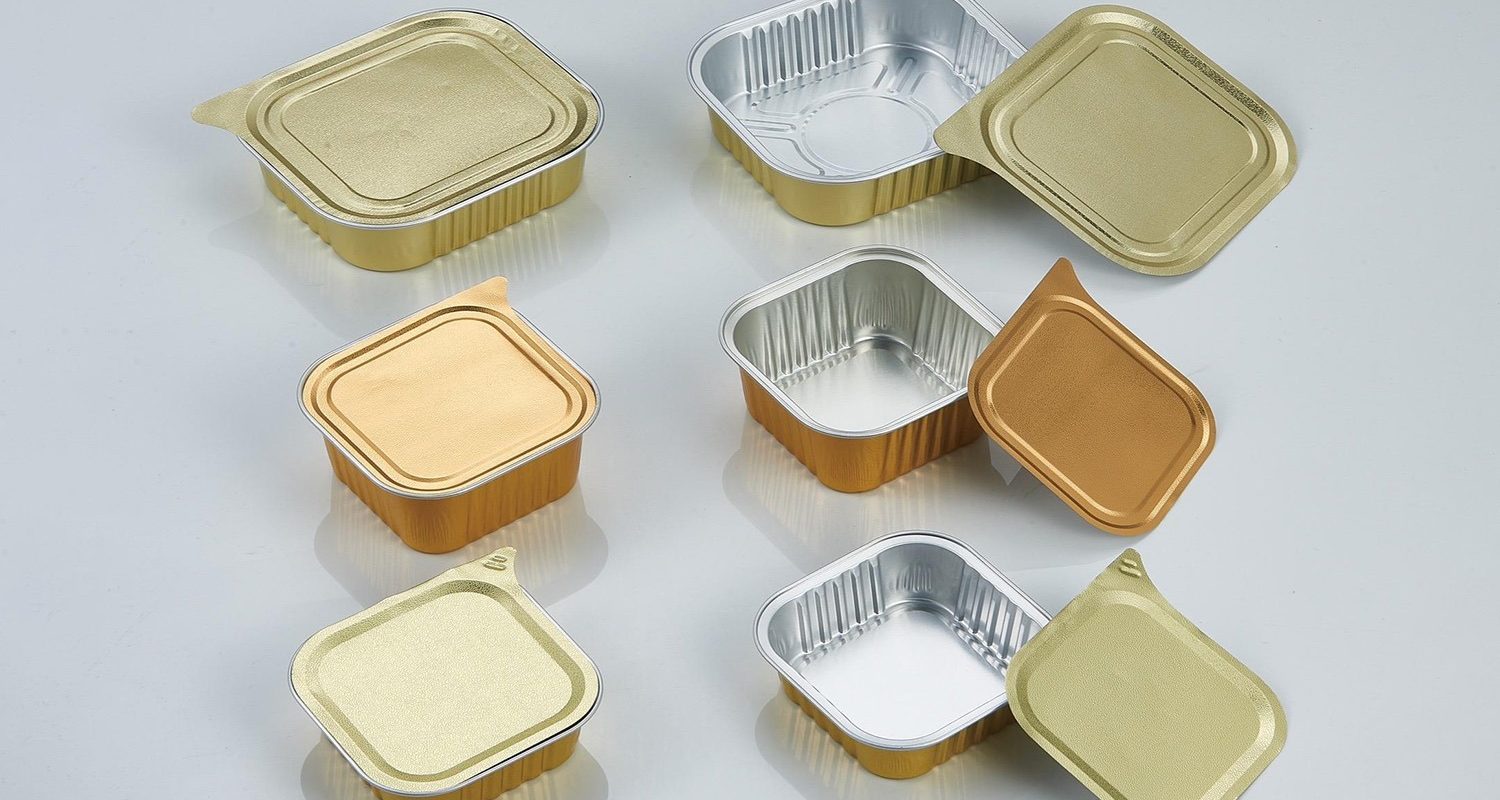
For food and CPG brands, packaging has to protect the product, attract attention, and create trust before the customer ever takes a bite, sip, or serving. A strong package helps preserve freshness, supports shelf appeal, and gives customers confidence that the product inside will meet expectations. That is why foil packaging remains one of the most effective choices for brands that need high-barrier protection and a polished retail presence.
Foil packaging is especially useful for products that are sensitive to oxygen, moisture, light, aroma loss, or outside odors. Snacks, coffee, tea, candy, powders, supplements, spices, pet treats, and specialty foods can all benefit from the added protection that foil-based structures provide. When product quality depends on flavor, texture, scent, or shelf life, packaging performance matters.
For modern CPG companies, foil flexible packaging also offers practical business advantages. It is lightweight, customizable, and available in formats such as stand-up pouches, lay-flat pouches, roll stock, sachets, and resealable bags. This makes it a strong option for startups, private label brands, seasonal product launches, and established companies managing multiple SKUs.
High-Performance Materials That Preserve Flavor and Aroma
Flavor and aroma are major parts of the customer experience. If a product smells stale, tastes flat, or loses its texture before it is finished, customers may not buy it again. Foil packaging helps reduce that risk by creating a high-performance barrier against the outside elements that often cause quality loss.
Oxygen exposure can affect oils, spices, roasted ingredients, coffee, tea, nuts, and many natural foods. It can lead to oxidation, flavor changes, color fading, and shorter shelf life. Moisture can be just as damaging. It can make crunchy snacks soft, cause powders to clump, affect candy texture, or reduce the quality of dry goods. Light exposure can also damage sensitive ingredients and weaken aroma over time.
Foil barrier packaging helps protect products from these conditions. By limiting oxygen, moisture, and light exposure, brands can help preserve freshness from production through retail display and customer storage. This is especially valuable for premium food products where the customer expects a strong sensory experience.
Candy is a good example. Chocolate, gummies, hard candy, caramels, and specialty confections may require protection from moisture, heat, aroma transfer, or flavor loss. Brands investing in custom candy packaging can use foil-based structures to help protect product quality while creating colorful, eye-catching designs that appeal to impulse buyers and gift shoppers.
Tea brands can also benefit from strong barrier performance. Loose-leaf tea, herbal blends, matcha, chai, and functional teas can lose aroma and flavor when exposed to air, humidity, or outside odors. With custom tea packaging, brands can protect delicate ingredients while using custom graphics to communicate flavor notes, brewing instructions, caffeine level, and brand story.
Durable Construction That Supports Retail and E-Commerce
Packaging does not only need to look good when it leaves production. It has to survive the full product journey. That includes filling, sealing, warehousing, shipping, retail handling, e-commerce fulfillment, pantry storage, and repeated customer use. Foil packaging offers durability that can help protect products through each stage.
For retail, a durable package helps maintain shelf presence. Pouches should stand properly, resist punctures, keep seals intact, and present branding clearly. A damaged or poorly sealed package can hurt customer trust and lead to returns, waste, or lost sales. Foil pouches can provide a premium feel while supporting strong product protection.
For e-commerce, durability becomes even more important. Products may be packed, shipped, dropped, stacked, and handled several times before reaching the customer. Lightweight flexible packaging can help reduce shipping weight compared with rigid containers, but it still needs enough strength to protect the product. Foil-based flexible structures can help brands balance shipping efficiency with product security.
Resealable features can also improve the customer experience. Many food and CPG products are used over time, not consumed all at once. A resealable zipper helps customers keep the package closed between uses, preserving freshness and reducing the need for extra storage containers. This convenience can improve satisfaction and encourage repeat purchases.
Foil packaging also supports high-quality custom printing. Brands can use bold colors, clean typography, product photography, ingredient callouts, certifications, and QR codes to make packaging more useful and more persuasive. For companies competing in crowded categories, strong design can help products stand out both on shelves and in online listings.
Another benefit is format flexibility. Brands can choose the pouch type, size, barrier level, finish, closure, and print design that fits their product line. A small-batch candy company may need seasonal pouches. A tea brand may need multiple flavor SKUs. A snack company may need roll stock for automated filling. A supplement brand may need a resealable high-barrier pouch. Foil packaging can be adapted to many needs.
For food and CPG brands, packaging is part of the product itself. It protects freshness, communicates value, supports logistics, and shapes the customer’s first impression. Foil packaging delivers a strong combination of barrier protection, durability, shelf appeal, and flexibility.
When brands choose the right foil structure and custom design, they can better preserve flavor and aroma, reduce product waste, support retail and e-commerce sales, and create packaging that feels as high-quality as the product inside.