
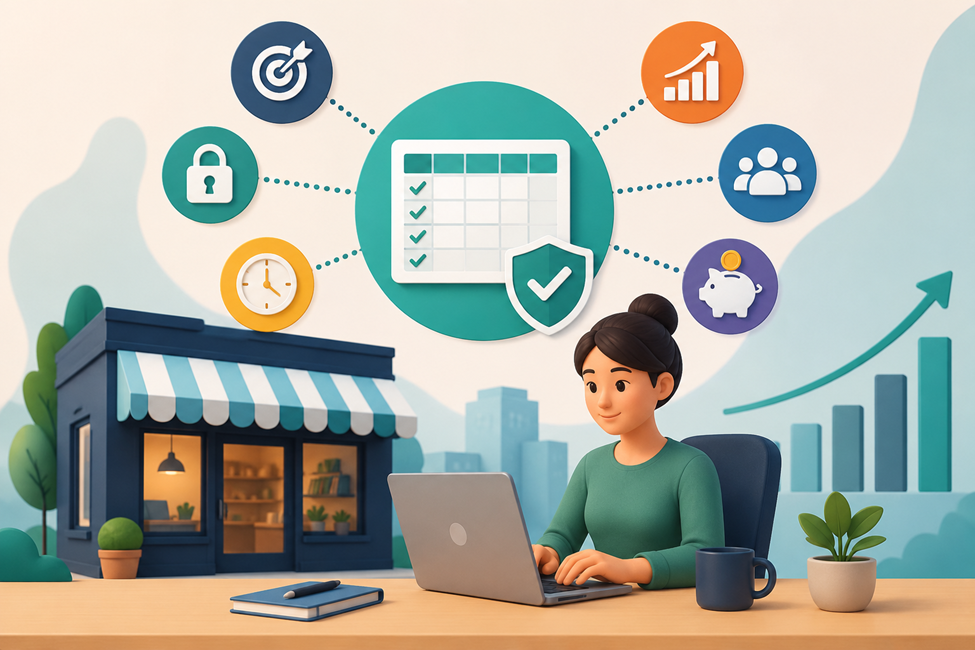
Small businesses (SMBs) rely on accurate information to make informed decisions, manage customer relationships, and maintain efficient daily operations. From processing invoices and updating customer records to managing inventory and tracking sales, every business function depends on reliable data. Even small data entry mistakes can lead to costly errors, missed opportunities, and dissatisfied customers.
Maintaining accurate records is essential for long-term growth, which is why many businesses invest in professional data entry solutions to ensure their information remains organized, consistent, and up to date.
Why Reliable Data Entry Matters
Reliable data entry ensures that important business information is entered correctly, verified regularly, and maintained in a standardized format. High-quality data reduces duplication, prevents inconsistencies, and supports smoother business operations across multiple departments.
For small businesses with limited resources, maintaining accurate data also helps reduce unnecessary administrative work and allows employees to focus on more strategic tasks.
Key Benefits for Small Businesses
Better Decision-Making
Business owners rely on accurate reports to evaluate sales performance, monitor expenses, and identify growth opportunities. Reliable data ensures decisions are based on trustworthy information rather than incomplete or inaccurate records.
Improved Customer Experience
Accurate customer information allows businesses to respond quickly to inquiries, process orders correctly, and provide personalized service. Maintaining clean customer databases helps strengthen customer relationships and improve satisfaction.
Increased Operational Efficiency
Organized data minimizes the time spent searching for information, correcting mistakes, or processing duplicate records. Employees can complete tasks more efficiently, improving overall productivity.
Reduced Business Risks
Errors in financial records, inventory data, or customer information can result in compliance issues, shipping mistakes, and revenue loss. Reliable data entry helps reduce these risks by maintaining consistent and accurate business records.
Better Financial Management
Accurate bookkeeping, invoicing, and expense tracking depend on reliable data. Well-maintained financial records support budgeting, tax preparation, and informed financial planning.
Easier Business Growth
As businesses expand, managing larger volumes of information becomes more challenging. Reliable data entry establishes organized systems that make it easier to scale operations without sacrificing accuracy.
The Value of Organized Business Data
Reliable data entry also improves collaboration across teams. Sales, marketing, customer service, and finance departments can access the same accurate information, reducing communication gaps and improving workflow efficiency.
Businesses that maintain high-quality data are better equipped to generate meaningful reports, monitor performance, and identify opportunities for continuous improvement.
Conclusion
Reliable data entry plays a critical role in helping small businesses operate efficiently, reduce costly errors, and support long-term growth. Accurate business information improves decision-making, enhances customer satisfaction, and creates a solid foundation for future expansion. By maintaining well-organized and dependable records, small businesses can focus more on serving customers and achieving sustainable success.