
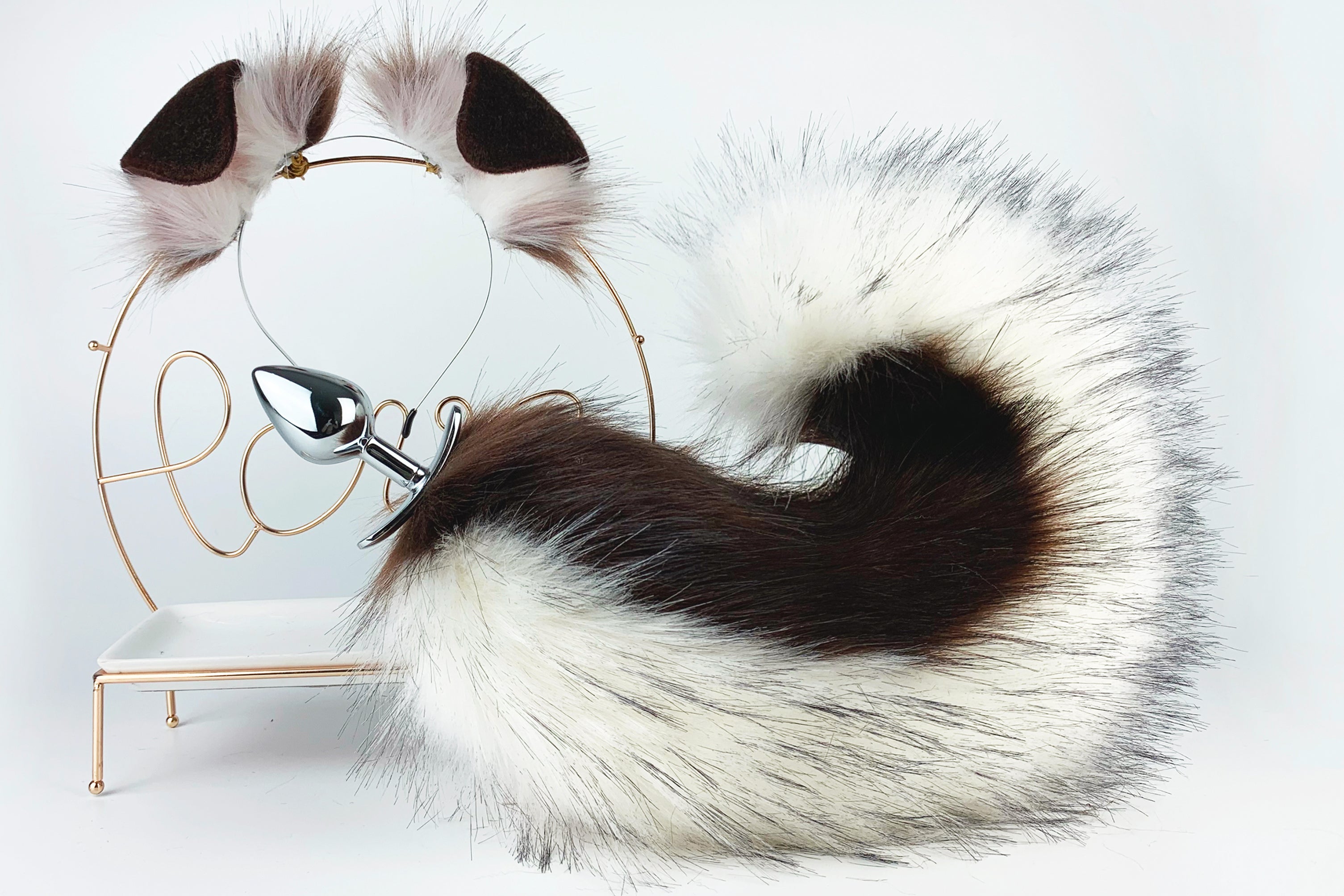
Investing in a premium novelty accessory brings a unique dynamic to cosplay, pet play, and intimate roleplay. Yet, the longevity of that investment rarely depends on how often it is worn. Instead, it hinges entirely on a chemical reaction that happens in the dark of the nightstand.
Use the wrong formula, and one can destroy the equipment in minutes. A premium asset becomes a sticky, structurally compromised health hazard. One wants to know how different formulations will react with different base materials to preserve the tail plug for months or years of safe enjoyment. If you cut through the marketing talk and look at the science behind it, you can be assured that you are getting a product that is good for the body and budget.
Key Takeaways
- The Material Match: Silicone-based formulas will permanently melt silicone inserts by dissolving the molecular bonds of the polymer surface.
- Osmo-compatibility: Premium water-based formulas respect the osmolarity of internal tissues, so there is no irritation or drying of tissues.
- The Hybrid Compromise: Hybrid types last longer before going dull, but they do require very specific cleaning methods to protect the faux-fur elements.
The Chemical Matrix: Why Formulations Matter
The basic physics of pelvic roleplay requires a high-quality, long-lasting reduction in friction. Internal tissues don’t produce their own moisture, so we need to add it from outside. It’s mega important to pick the right lube if you want to keep your toys in good nick.
If the lubricant is not compatible with the chemicals, it can create a sticky, rough, and harder-to-clean surface on the toy. But here’s the thing: different lubes work for different things. An example is water-based lubes that are compatible with everything and that are easy to clean up. They are also less irritating to the skin. Silicone-based lubes are good too, but don’t use them with silicone toys, as they may damage the material.
Ultimately, picking the right lube means balancing what it does best with both needs and the toy’s specific material. Every formula offers distinct behavioural traits during use.
Water-Based: The Universal Standard
Water-based formulas are the absolute baseline of adult novelty care. They rinse off easily with warm water, don’t stain delicate faux fur, and are safe for all insert materials. The downside? Your body absorbs them because they’re water-based, so you may need to reapply them at longer events.
For longer-lasting sweat-proofing, silicone-based products fit the bill. These guys don’t evaporate, stay totally waterproof, and offer that luxe, velvety feel for hours on end. The downside? They can’t be used with silicone accessories.
Never use silicone fluids with silicone items; it could cause damage. It will dissolve the surface layer, creating microscopic pockets where bacteria can hide.
Hybrid Blends: The Middle Ground
Hybrid options blend a water base with a small concentration of premium silicone polymers. This creates a slick fluid that lasts longer than pure water but rinses away more easily than pure silicone. While excellent for metal or glass bases, they should still be kept far away from high-end silicone items to prevent long-term surface texturing.
Evaluating the Risks of Specialized Novelty Inserts
Different bases respond to chemical exposure in vastly unique ways. Treating all items under a single care umbrella is a fast track to ruin.
Porous TPE and TPR Alloys: Thermoplastic Elastomers (TPEs) are highly porous budget alternatives. They easily absorb oils and formulas, so a silicone-based option can make them swell, lose shape, or hold smells forever. Stick to clean, water-based options, though.
Medical-grade stainless steel and borosilicate glass are great; they’re inert and completely non-porous. If the device features a premium steel or glass base, it can absolutely be cleaned with any formulation on the market without risking structural damage.
Protecting the Tail Extension from Chemical Seepage
The real challenge with a specialized tail plug occurs at the junction node where the decorative tail connects to the insertable anchor. During application and clean-up, fluid migration can easily ruin your item.
| FLUID MIGRATION VECTOR |
| [Insertable Base] ← Formula Applied Here |
↓
| [Junction Node ] ← Capillary Action Pulls Fluid Upward |
↓
| [Faux Fur Tail] ← Permanent Matting/Adhesive Failure |
When silicone or hybrid formulas seep into the base of faux fur, they coat the synthetic acrylic fibres in an oil-like film that cannot be washed out with simple soap.
It results in matting, dust collection, and clumping. If special glue holds the fuzzy part in the metal casing, powerful chemicals can break down that adhesive. Then, the fur starts to shed or fall off completely.
Securing The Strategy
Preserving the specialized gear requires matching the fluid to the structural makeup of the insert. By selecting clean, compatible formulas and protecting the delicate exterior accents from chemical migration, you maintain a flawless, hygienic experience.
Prioritize material compatibility, protect those fibre connections, and enjoy an optimized, long-lasting investment.