
Parenting demands constant vigilance that exhausts even the most dedicated caregivers. Baby monitors bridge the gap between necessary supervision and personal space, allowing you to maintain awareness of your infant’s safety while attending to other responsibilities or simply resting. Modern monitoring technology has progressed far beyond audio-only devices that left you guessing about every sound. Today’s systems combine high-definition video, environmental sensors, and intelligent alerts that distinguish between normal movements and situations requiring immediate attention. Understanding the features, placement considerations, and security measures behind contemporary baby monitors helps you select a system that provides genuine reassurance rather than additional anxiety about technology vulnerabilities or false alarms disrupting your already-limited sleep.
Audio and Video Monitoring Capabilities
Audio-only monitors represent the simplest monitoring approach, transmitting sounds from your baby’s room to a portable receiver. While these basic systems work for detecting cries and major disturbances, they leave you unable to visually verify your baby’s position or condition. Was that noise a serious issue or just sleep sounds? You must physically check to know, potentially waking a sleeping infant unnecessarily or missing subtle problems that don’t generate obvious sounds.
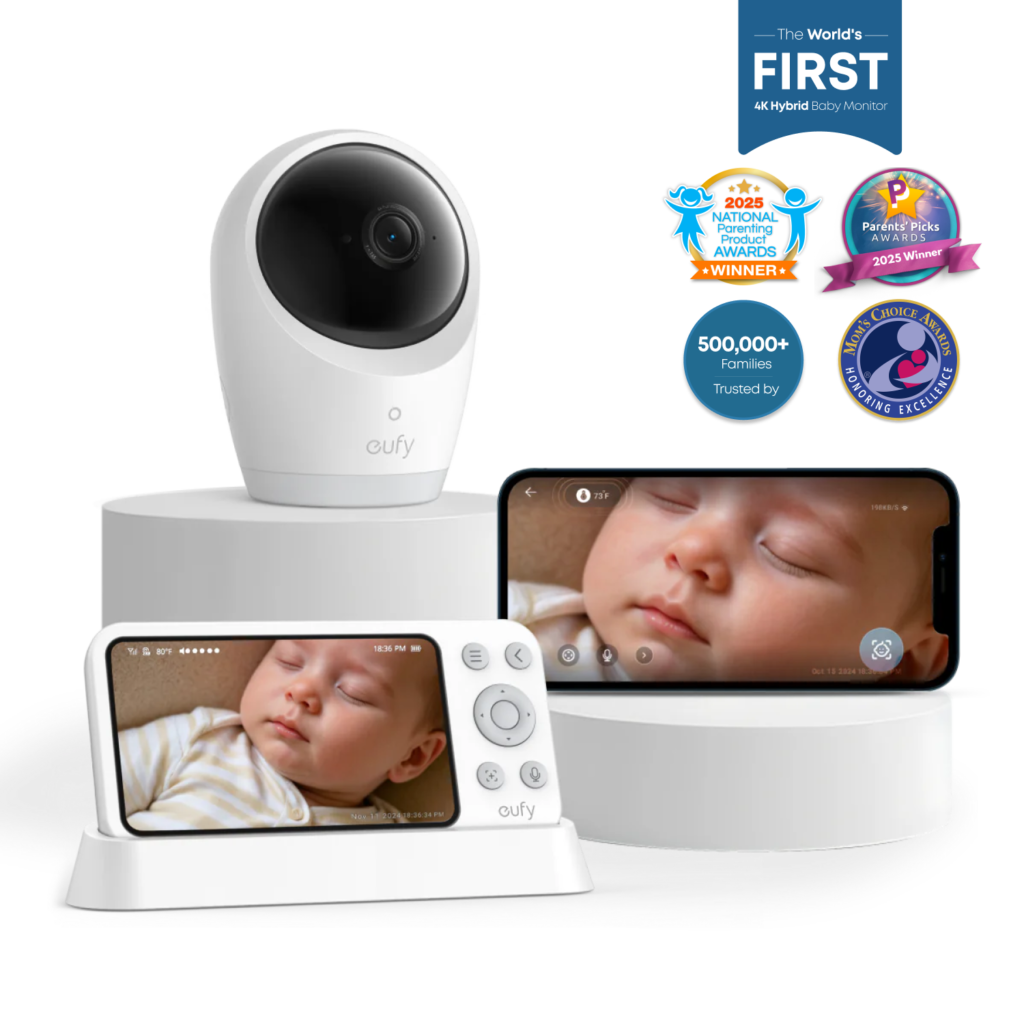
Video monitoring eliminates guesswork by showing exactly what’s happening in your baby’s room. High-definition cameras capture clear images even in darkness through infrared night vision that doesn’t disturb sleep with visible light. Pan, tilt, and zoom functions let you adjust viewing angles remotely to follow movement or examine specific details without entering the room. Two-way audio enables you to soothe your baby with your voice before deciding whether physical intervention is necessary.
Advanced baby monitor systems from manufacturers like eufy include wide-angle lenses that capture entire cribs without blind spots where babies could become entangled or positioned unsafely. Digital zoom maintains image clarity when focusing on specific areas, unlike older analog systems where zooming produced pixelated images that obscured rather than clarified details.
Environmental Monitoring Features
Temperature sensors alert you when nursery conditions fall outside safe ranges that could cause overheating or excessive cooling. Maintaining appropriate room temperature reduces SIDS risk while ensuring comfortable sleep that isn’t disrupted by thermal discomfort. Humidity tracking identifies overly dry or damp conditions that affect respiratory comfort and sleep quality, particularly important for infants with sensitive airways or skin conditions exacerbated by environmental factors.
Air quality monitoring detects volatile organic compounds and particulates that irritate developing respiratory systems. Poor air quality contributes to restless sleep and may trigger asthma or allergy symptoms in susceptible infants. Real-time alerts enable you to address ventilation issues or remove sources of contamination before they significantly impact your baby’s breathing comfort and health outcomes.
Smart Alerts and Motion Detection
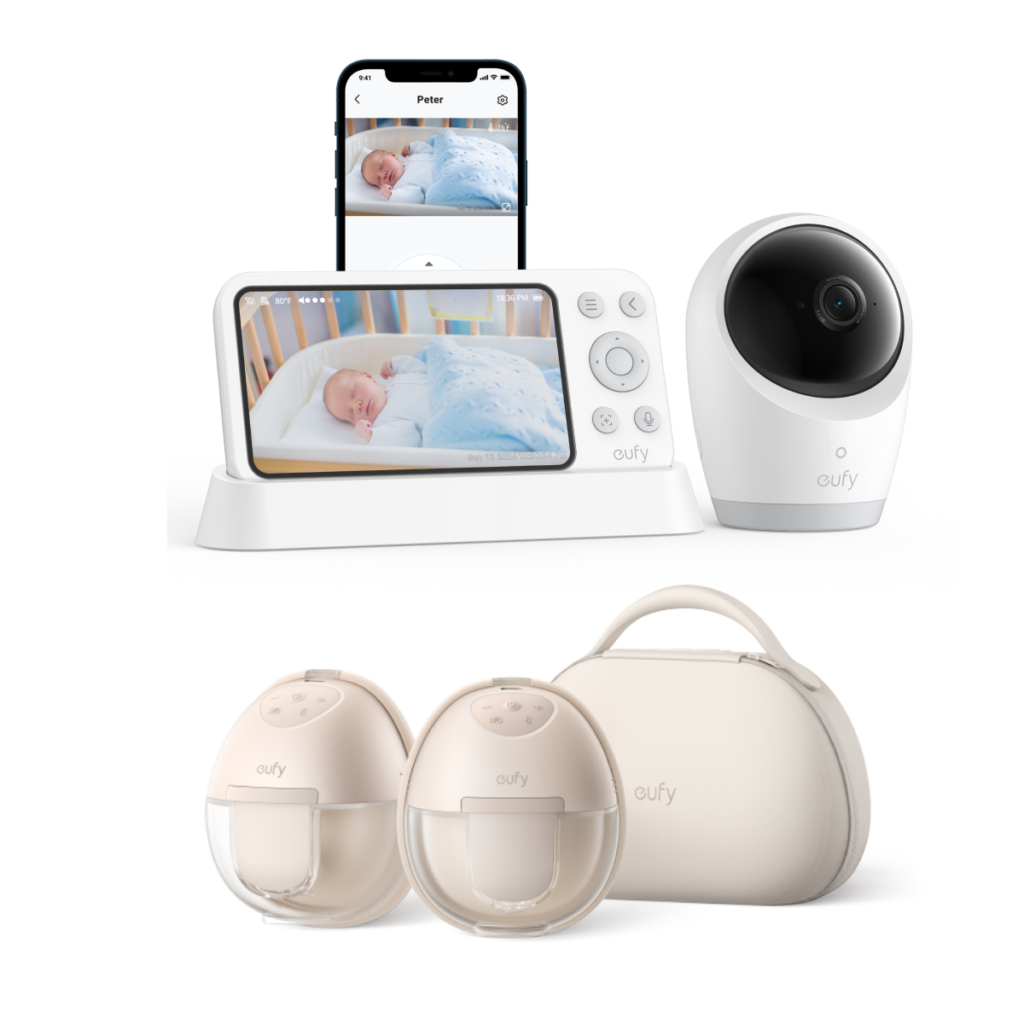
Movement tracking identifies when your baby transitions from sleep to waking, allowing you to respond before minor fussing escalates into full crying episodes. Cry detection algorithms distinguish between different cry types, helping you determine whether your baby needs immediate attention or might self-soothe back to sleep. This intelligence prevents overreaction to normal sleep sounds while ensuring you catch genuine distress signals promptly.
Breathing monitoring adds another safety layer by tracking chest movement patterns and alerting you to irregularities that could indicate respiratory problems. Some systems use contactless sensors that detect breathing without requiring your baby to wear devices, eliminating discomfort and providing continuous monitoring regardless of sleep position changes. These features offer particular reassurance during the highest-risk SIDS period in early months.
Connectivity and Remote Access
Dedicated monitor units with proprietary connections provide reliable short-range communication without depending on home Wi-Fi networks. These closed systems resist hacking attempts since they don’t connect to the internet, though they limit monitoring to within your home’s physical boundaries. Range typically extends several hundred feet through walls, adequate for most residential layouts but potentially insufficient in larger properties or when checking on babies from outdoor areas.
Wi-Fi connected monitors enable remote viewing from anywhere with internet access through smartphone applications. Check on your baby while at work, during errands, or when traveling and relying on trusted caregivers. Cloud recording preserves footage for later review, helping you track sleep patterns or share developmental milestones with distant family members. However, internet connectivity introduces security considerations that require proper protection measures.
Security and Privacy Protection
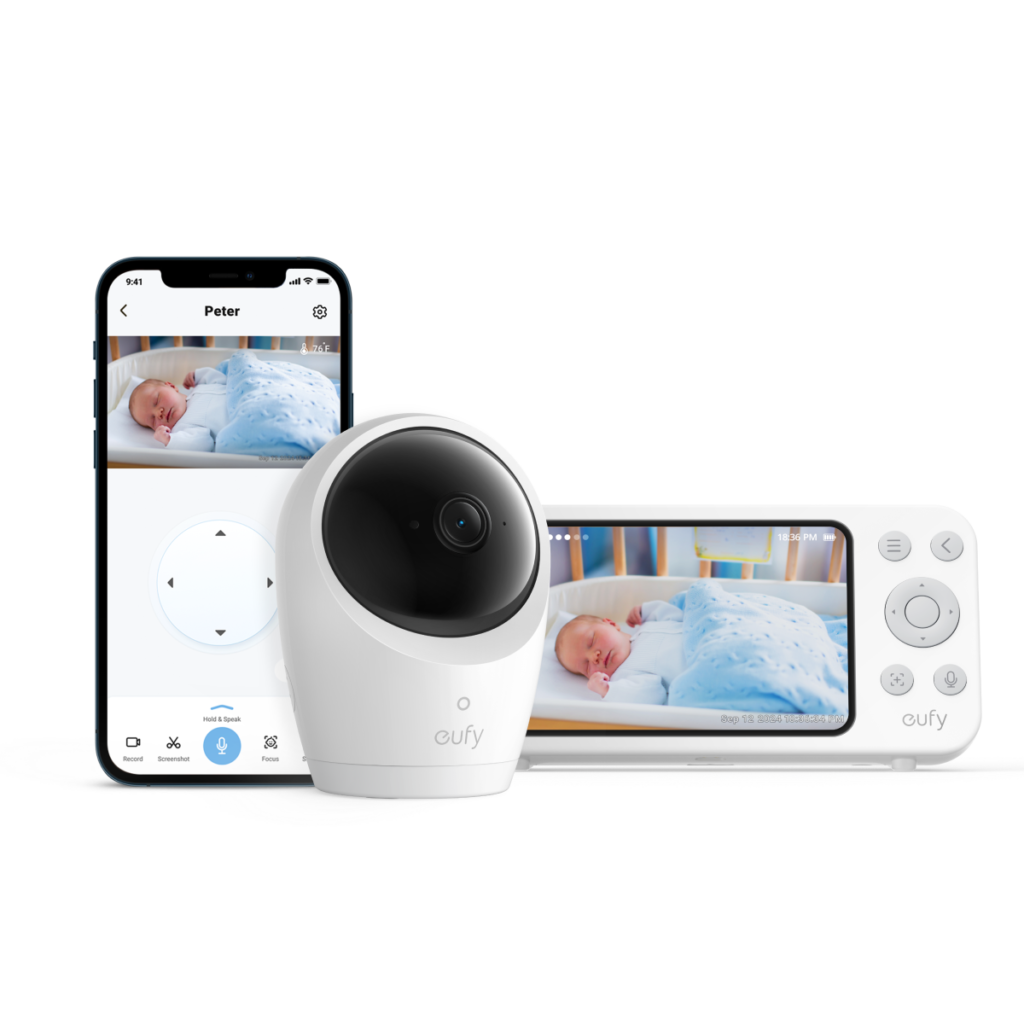
Encryption protocols prevent unauthorized access to your monitor’s video feed. Strong encryption scrambles data transmission so intercepted signals remain unreadable without proper authentication credentials. Weak or absent encryption creates vulnerabilities where malicious actors could view your baby’s room or even communicate through two-way audio features, representing serious safety and privacy violations.
Regular firmware updates patch security vulnerabilities discovered after manufacture. Manufacturers continuously identify and address potential exploits, but updates only protect systems when users actually install them. Enable automatic updates when available, or manually check for updates monthly to maintain current security standards. Default passwords must be changed immediately upon setup, as these widely-known credentials represent the easiest attack vector for unauthorized access attempts.
Optimal Camera Placement
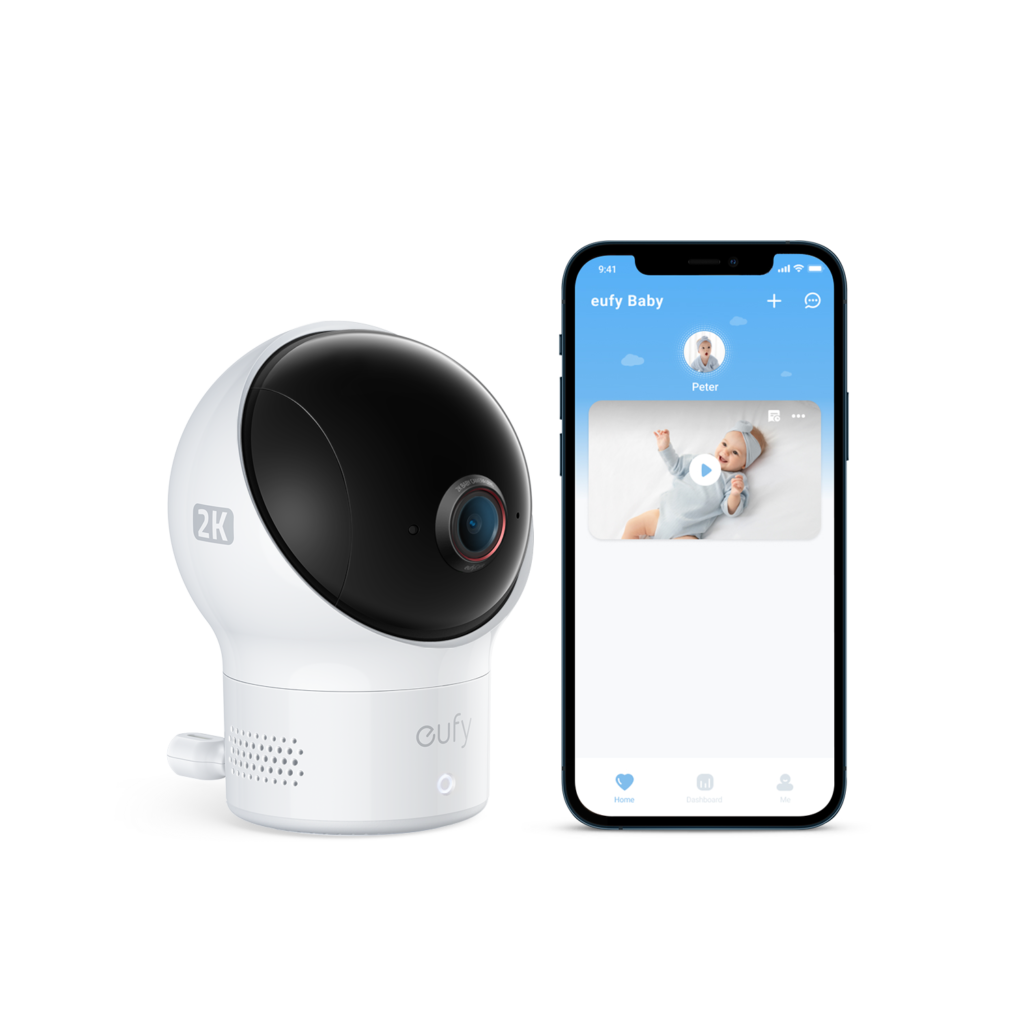
Position cameras where they capture your baby’s entire sleep surface without blind spots where unsafe positions could go unnoticed. Mount units high enough to prevent older siblings from tampering while maintaining angles that show your baby’s face and chest for breathing observation. Avoid placing cameras where cords could pose strangulation hazards or where curious toddlers might pull equipment down onto themselves.
Consider lighting conditions when determining camera locations. Windows behind cameras create backlit situations where bright daylight washes out details, making your baby appear as a dark silhouette. Position cameras perpendicular to windows rather than facing them directly. Night vision performance depends on infrared LED placement relative to your baby, so test nighttime visibility before permanently mounting equipment to ensure adequate illumination without hotspots that obscure rather than reveal.
Battery Life and Power Options
Hardwired monitors eliminate battery concerns but require installation near electrical outlets, limiting placement flexibility. Permanently powered units support continuous monitoring without charging interruptions, important for overnight surveillance when you’re least available to manage technical issues. However, electrical connections create cord management challenges in nurseries where clutter should be minimized for safety.
Battery-powered portable monitors offer placement flexibility anywhere in the nursery without outlet constraints. Rechargeable batteries typically last eight to twelve hours between charges, adequate for overnight monitoring with daily recharging routines. Extended battery life becomes crucial when traveling or during power outages when maintaining baby monitoring capability despite infrastructure failures provides critical safety reassurance.
Multi-Camera Systems for Growing Families
Single cameras suffice for monitoring one baby, but multiple children require expanded coverage. Multi-camera systems let you monitor several rooms simultaneously through split-screen displays or by switching between camera feeds quickly. This proves particularly valuable when siblings share room areas or when monitoring both nursery and play spaces where older children might be unsupervised briefly.
Scalable systems accept additional cameras without replacing entire setups, protecting your initial investment as family needs evolve. Add cameras for new babies or expand monitoring to cover outdoor play areas where children require supervision. Unified applications manage all cameras through single interfaces, preventing the frustration of juggling multiple monitoring apps with different control schemes and notification settings.
Sleep Training Support Features
White noise generators built into baby monitors mask disruptive household sounds that interfere with sleep establishment and maintenance. Consistent ambient sound helps babies transition between sleep cycles without fully waking, extending sleep duration. Different sound options including rainfall, ocean waves, or heartbeat patterns accommodate individual preferences that vary between babies.
Nightlights with adjustable brightness support nighttime feeding and diaper changes without shocking babies awake with harsh overhead lighting. Gradual dimming features ease bedtime transitions by slowly reducing light levels as sleep routines conclude. Some monitors include projection features that display soothing images on nursery ceilings, providing visual comfort for babies who resist complete darkness.
Choosing Your Monitoring Solution
Baby monitors serve as invaluable tools that extend parental awareness beyond physical presence, enabling you to balance infant care demands with personal needs for rest and productivity. The technology has evolved to offer sophisticated features that genuinely enhance safety rather than simply creating more devices to manage. By selecting monitors with appropriate video quality, environmental sensors, and security protections that match your specific circumstances and technical comfort level, you establish monitoring systems that provide authentic peace of mind during those vulnerable early years when constant vigilance feels necessary but practically impossible to sustain without technological support.