
Pregnancy often comes with months of preparation, appointments, shopping lists, and conversations about what life will look like after the baby arrives. Yet, becoming a parent is not simply the next step after pregnancy. It is a significant shift in everyday life. Sleep patterns change, routines become unpredictable, relationships need more communication, and even simple tasks can require new planning.
From learning how to care for delicate newborn skin to understanding a baby’s cues, new parents gradually build confidence through experience. Having practical essentials such as gentle baby wipes can make everyday care easier, but the biggest adjustment happens in how parents organise their time, energy, and priorities.
Your Daily Routine May Look Completely Different
One of the first noticeable changes after welcoming a baby is that the day rarely follows the schedule parents once had. Newborn care can reshape everything from mornings to bedtime.
- Feeding takes priority: Newborns need frequent feeds, so parents may find themselves planning other activities around feeding times.
- Sleep becomes unpredictable: Babies have different sleep-wake patterns from adults, and parents may wake several times during the night.
- Simple tasks need planning: A shower, uninterrupted meal, grocery trip, or short nap may need to fit around the baby’s needs.
- Plans can change quickly: A family outing or personal appointment may take longer than expected because of feeding, diaper changes, or settling the baby.
- Flexibility matters: Instead of trying to follow a perfect timetable, parents can gradually develop a rhythm that suits their household and their baby’s changing needs.
Baby Care Becomes Part of Everyday Decision-Making
New parents soon face everyday baby-care decisions, from choosing suitable products to preparing essentials for outings. Since newborn skin is delicate, parents may prefer infant-specific products. Diapers, water-based baby wipes, gentle personal-care items, feeding supplies, clothing, and other practical essentials can help parents feel better prepared for daily responsibilities.
Baby Wipes for Everyday Baby Care
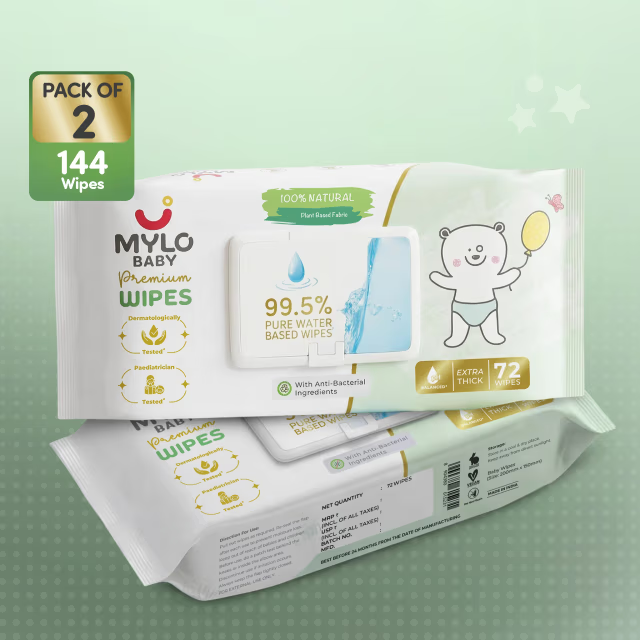
Wipes can be useful during diaper changes, especially when parents are travelling or managing a busy day. Mylo baby wipes may be one option for convenient baby care when parents are away from home. Checking ingredients and choosing products designed for babies can help parents make informed choices based on their baby’s needs.
The same consideration applies to lotions, cleansers, massage oils, and diaper-care products. Parents do not need numerous products. Selecting practical essentials that suit the baby can make everyday care simpler and more manageable.
Sleep Changes for Parents Too
Sleep deprivation is one of the biggest adjustments during the early weeks. Frequent night waking can leave new parents physically and mentally exhausted, making shared responsibilities especially important. Parents can divide tasks based on what works for their household.
While one handles feeding, the other can manage diaper changes, burping, settling the baby, meals, or household chores. If breastfeeding is involved, the non-feeding partner can still provide valuable support in other ways. Family members can also help with cooking, cleaning, shopping, or childcare. Accepting support gives parents more time to rest, recover, and focus on bonding with their baby.
Emotional Changes Can Be Unexpected
Parenthood can bring happiness, worry, frustration, tenderness, and exhaustion, sometimes within the same day. New parents may feel connected to their baby while questioning whether they are doing enough. Adjusting takes time, and confidence rarely develops overnight. Persistent sadness, severe anxiety, hopelessness, or difficulty functioning should be discussed with a healthcare professional. Partners can also support each other by checking in regularly, sharing concerns openly, and recognising when extra help may be needed.
Relationships Need a New Kind of Communication
A baby can bring couples closer, but the transition can also introduce new pressures. Open communication can help parents adjust together.
- Share responsibilities: Discuss nighttime care, appointments, household tasks, and baby-related responsibilities instead of relying on assumptions.
- Make space for rest: Both partners need opportunities to sleep, recharge, and spend some personal time.
- Talk about practical pressures: Financial decisions and changing priorities are easier to manage when discussed openly.
- Stay connected: A shared meal, short walk, or simple conversation can help maintain closeness.
- Recognise each other’s efforts: Acknowledging what your partner contributes can make both parents feel supported during demanding days.
Personal Priorities Will Shift
Parenthood may temporarily reduce time for hobbies, exercise, travel, or socialising. Parents can gradually reclaim personal interests by sharing childcare responsibilities and setting realistic time for themselves. Eating well, staying hydrated, resting, and attending medical appointments are also important parts of postpartum self-care.
Small Tools Can Make New Parenthood Easier
Digital resources can help parents organise information, reminders, milestones, and useful guidance. A Daily Pregnancy App can support parents during pregnancy with accessible information and timely reminders. After delivery, digital tools can continue providing helpful resources, but parents should use them for support rather than feeling pressured to track everything.
Responsibilities Become Shared, Not Perfect
One of the biggest changes after having a baby is recognising that parenthood is a shared responsibility. There will be days when everything feels organised and days when the laundry remains untouched, meals are improvised, and the planned schedule disappears before breakfast. That is normal.
Parents can make the transition easier by preparing a few practical systems. Keep frequently used baby-care items within reach. Prepare a small changing kit for outings. Store essential supplies where both parents can access them. Keep emergency contact information available. Build a support network before it becomes urgently needed. Most importantly, allow routines to evolve. What works for a two-week-old baby may not work a few months later.
Learning the Baby Is a Process
New parents often expect themselves to understand every cry, movement, and expression immediately. In reality, recognising a baby’s patterns takes time. Parents gradually learn the difference between hunger cues, tiredness, discomfort, overstimulation, and the need for reassurance. They also learn that babies are individuals.
Advice that works beautifully for one family may not suit another. When something seems concerning, reliable medical guidance should take priority over social media advice or online comparisons. A paediatrician or other qualified healthcare professional can provide guidance based on the baby’s individual needs.
A Daily Pregnancy App can also help parents access pregnancy-related information, reminders, and guidance in one place. Having reliable resources can make it easier to stay informed as the journey from pregnancy to parenthood unfolds.
Conclusion
The journey from pregnancy to parenthood reshapes sleep, responsibilities, relationships, priorities, emotions, and everyday decisions. The early weeks may feel unfamiliar, but confidence develops gradually through experience, support, and time. Practical baby-care choices and reliable information can make this transition easier to manage.
Platforms such as Mylo provide resources designed to support parents through different stages of their journey, including the Mylo Pregnancy App. Ultimately, new parents do not need to have everything figured out from day one. Learning, adapting, accepting support, and growing alongside the baby are all part of becoming a confident parent.