
Picture this: it’s Friday evening, and you’ve invited a few friends over to your compact city apartment. Everyone gravitates toward the kitchen island—the unofficial heart of your home—perching on stools while you mix drinks and plate appetizers. This scene plays out in countless first apartments, where the bar area doubles as dining room, workspace, and social hub. But here’s the challenge that trips up so many young professionals: how do you find bar stools that look sleek and contemporary without sacrificing the comfort you need for morning coffee, midday laptop sessions, and late-night conversations? Add a realistic budget to the equation, and the search feels overwhelming. The truth is, bar stools are one of the hardest-working pieces of functional furniture in a small space. Choose well, and they elevate everything from your daily routine to your entertaining game. Choose poorly, and you’re stuck with beautiful seats nobody wants to sit in—or comfortable ones that clash with everything around them. This guide walks you through exactly how to strike that balance.
Why the Right Bar Stool is Essential Functional Furniture
Bar stools do far more than fill empty space beneath a countertop. In a compact apartment, they serve as the connective tissue between your kitchen and living area, anchoring the visual identity of your most-used zone. The style, height, and material of your stools immediately signal whether your space feels polished or thrown together—they’re often the first thing guests notice when they walk in. Beyond aesthetics, these seats support your entire daily rhythm. Monday morning, you’re perched with coffee and a laptop, answering emails before heading to the office. Tuesday evening, you’re eating takeout while catching up on a podcast. Saturday night, three friends are crowded around your island, and those stools need to keep everyone comfortable for hours. For young professionals working with limited square footage, bar stools often replace a traditional dining set entirely. They take up less floor space, maintain an open sightline through the room, and transition effortlessly from solo use to group entertaining. That’s a lot of pressure on a single piece of functional furniture—which is exactly why a hasty purchase based on looks alone tends to disappoint within weeks. The right stool earns its place every single day.
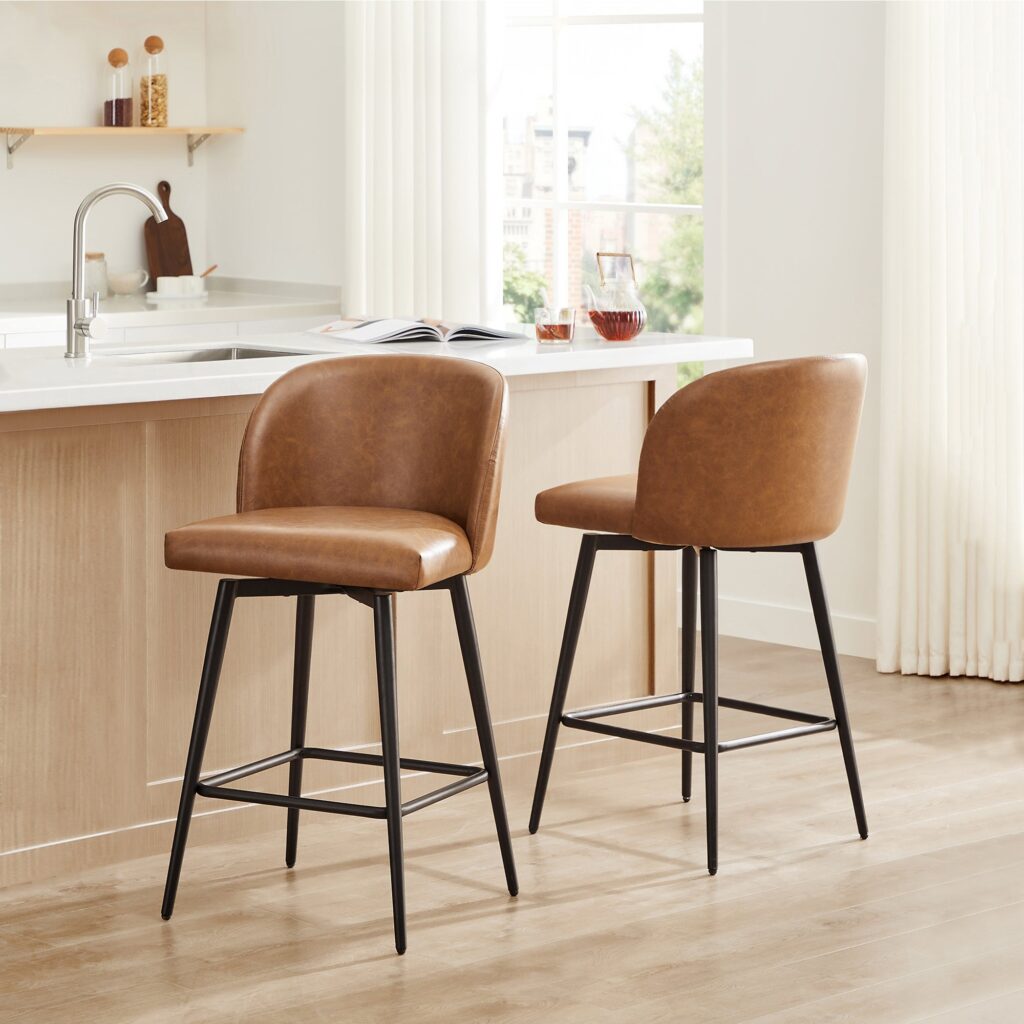
Defining Your Style: From Modern Design to Personal Taste
Before browsing endless product pages, get clear on the visual direction you want. Modern design tends to favor clean lines, neutral tones, and minimal ornamentation—think matte black metal frames paired with smooth seats, or slim silhouettes that don’t crowd your counter. Industrial style leans into raw textures like exposed welding and distressed wood, working beautifully in loft-style apartments with brick or concrete accents. Scandinavian aesthetics prioritize light wood, organic curves, and a warm-but-uncluttered feel, while minimalist approaches strip everything back to pure geometry and monochrome palettes. The easiest way to match stools to your existing decor is to identify the dominant material and color already in your space. If your kitchen features warm wood cabinetry, echo that warmth in your stool legs or seat tone. If your apartment skews cooler with grey countertops and stainless appliances, a modern design stool in black or charcoal will integrate seamlessly. One practical rule: your stools don’t need to match your space perfectly, but they should share at least one visual element—a repeated color, a complementary material, or a consistent shape language—with the room around them. That single thread of connection prevents the “afterthought” look and makes your choices feel intentional.
The Pillars of Daily Comfort: More Than Just Looks
A gorgeous stool that leaves your back aching after twenty minutes is a failed investment. Daily comfort starts with seat height—measure the distance from your floor to the underside of your counter, then subtract ten to twelve inches. That gap gives you enough legroom to sit without hunching or dangling. Most kitchen counters call for stools in the 24-to-26-inch range, while raised bar-height surfaces need 28-to-30-inch seats. Getting this wrong means awkward posture every time you sit down, so measure before you shop.
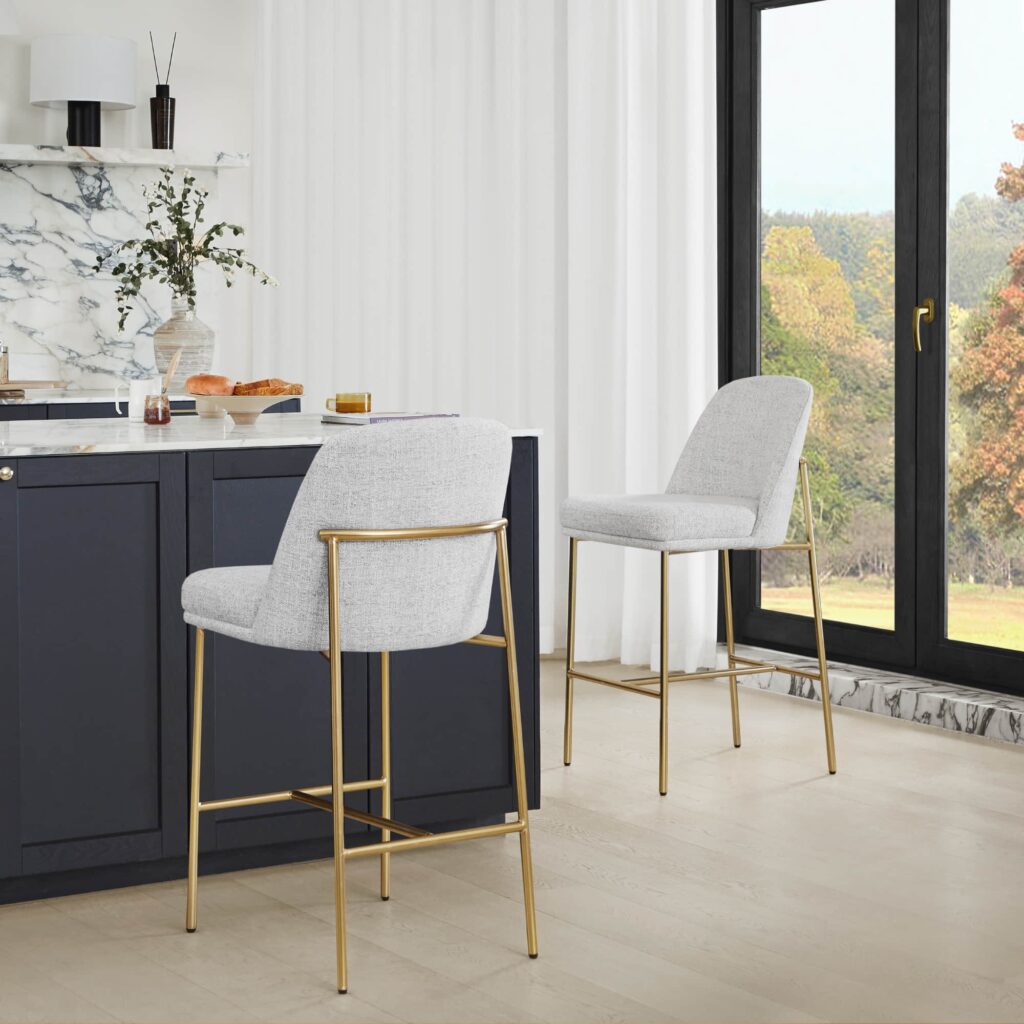
Seat depth matters almost as much. A seat that’s too shallow puts pressure on your thighs, while one that’s too deep prevents you from resting your feet flat on the footrest. Speaking of which, a well-placed footrest is non-negotiable—it distributes weight away from your lower back and keeps circulation flowing during longer sessions of remote work or lingering dinners. Look for a rail positioned roughly halfway between the seat and the floor.
Back support is where personal preference comes in. Backless stools look streamlined and tuck neatly under counters, but they demand core engagement that becomes tiring over time. A low backrest offers a compromise: lumbar support without visual bulk. Swivel bases add flexibility for turning toward conversation or reaching across the counter, though stationary frames tend to feel more stable for focused tasks like working on a laptop. Prioritize the activities you’ll do most often, and let that guide your ergonomic choices—daily comfort compounds into long-term satisfaction with your purchase.
Material Matters: Balancing Aesthetics, Durability, and Budget
Upholstery Options: The Case for Faux Leather Stools
Every material brings trade-offs. Solid wood offers warmth and longevity but scratches easily and tends to cost more. Metal frames deliver industrial edge and excellent durability, though bare metal seats feel cold without cushioning. Molded plastic keeps things lightweight and affordable, yet it can look cheap under certain lighting and lacks breathability during longer sits. Upholstered options bridge the gap between visual richness and physical comfort—and among them, faux leather stools stand out as a particularly smart choice for young professionals. They mimic the polished look of genuine leather at a fraction of the cost, wipe clean with a damp cloth after spills, and resist staining far better than woven fabrics. A faux leather seat in black, tan, or cognac pairs naturally with both modern and industrial decor, aging gracefully in a high-traffic kitchen environment. For maintenance, simply avoid harsh chemical cleaners and condition the surface occasionally to prevent cracking—minimal effort for a material that keeps looking sharp month after month.
Frame and Base Stability
The base design affects both safety and daily usability. Four-leg frames offer the widest footprint and greatest stability, making them ideal if your floors are uneven or if you shift weight frequently while working. Pedestal bases with a weighted disc save floor space and allow easier swiveling, but cheaper versions can wobble under heavier loads. Regardless of style, check that welds are smooth, joints are reinforced, and the base material—steel or solid hardwood—can handle repeated stress without loosening over time. Brands like Chitaliving that specialize in wooden furniture often emphasize this kind of joinery quality, which is worth looking for when evaluating any stool with a hardwood frame.
Smart Shopping: Finding Budget-Friendly Yet Stylish Seating
Budget constraints don’t have to mean settling for stools that look or feel cheap—they just require a sharper strategy. Start by setting a firm per-stool budget before you browse. Knowing your ceiling prevents the slow creep that happens when you fall for a set that costs twice what you planned. Next, rank your priorities: if you work from home regularly, invest in comfort features like a footrest and back support over premium materials you can approximate with alternatives like faux leather. If entertaining drives your purchase, visual impact and easy cleaning might top the list instead.
Online marketplaces often carry the same factory-produced designs at significantly lower markups than branded furniture retailers. Search by specific dimensions and materials rather than brand names to uncover options you’d otherwise miss. Discount home stores and warehouse clubs rotate stock frequently, so checking back every few weeks can land you a set during a markdown cycle. Flash sales from direct-to-consumer furniture brands are another reliable window—sign up for email alerts and act quickly when your preferred style drops.
Before purchasing, measure your counter height, the clearance between stools, and the floor-to-counter gap one final time. Allow at least six inches of space between each stool and eight inches from the nearest wall or appliance to ensure comfortable movement. Finally, always confirm the return policy. Even the most researched purchase can feel different in person, and a generous return window protects you from an expensive mistake that lingers in your kitchen for years.
Integration Tips: Creating a Cohesive and Functional Living Space
Once you’ve chosen your stools, thoughtful placement transforms them from standalone purchases into anchors of a cohesive living space. Start with spacing: if your counter accommodates multiple stools, position them with enough room that two people can sit without bumping elbows. Stagger heights slightly—pairing a couple of counter-height stools with one adjustable option—if your space serves both a kitchen island and a raised bar ledge. This subtle variation adds visual interest while keeping everything functional.
Mixing styles can work beautifully when done with restraint. Keep frames consistent in material or color, then vary the seat shape or texture. Two matte black metal stools with faux leather seats alongside one with a molded wood seat creates personality without chaos. The shared frame color acts as your unifying thread. Beyond seating, consider how your stools serve double duty in tight quarters. A backless stool slides under the counter to free up floor space during yoga or cleaning, and a sturdy flat-seated version can temporarily hold a plant, a stack of books, or a serving tray during a party.
Accessorizing rounds out the experience without major spending. A slim seat cushion in a complementary fabric adds warmth and extra padding for longer sits. A textured rug beneath the counter zone visually defines the area and softens sound when stools shift. These small additions let you refresh the look seasonally—swapping cushion covers or rug patterns—so your space evolves with your taste rather than requiring another furniture purchase.
Making Your Final Bar Stool Decision With Confidence
Selecting bar stools that work as hard as you do comes down to four interconnected decisions. First, define your style direction—whether modern, industrial, or Scandinavian—and anchor your choice with at least one visual element that ties into your existing space. Second, prioritize daily comfort by nailing the correct seat height, insisting on a footrest, and choosing the level of back support that matches how you actually use your counter throughout the week. Third, select materials strategically: faux leather stools deliver the polished look and easy maintenance that busy apartment life demands, while sturdy metal or hardwood frames ensure your investment lasts well beyond your first lease. Fourth, shop with discipline—set a firm budget, measure twice, and never skip the return policy fine print.
The perfect bar stool isn’t the most expensive option or the trendiest silhouette on social media. It’s the one that fits your body, complements your space, survives your lifestyle, and still makes you smile when you pull up to the counter on an ordinary Tuesday morning. Trust your measurements, honor your priorities, and choose with confidence. Your kitchen island deserves seating that reflects both who you are now and the home you’re building—functional, stylish, and entirely yours.