
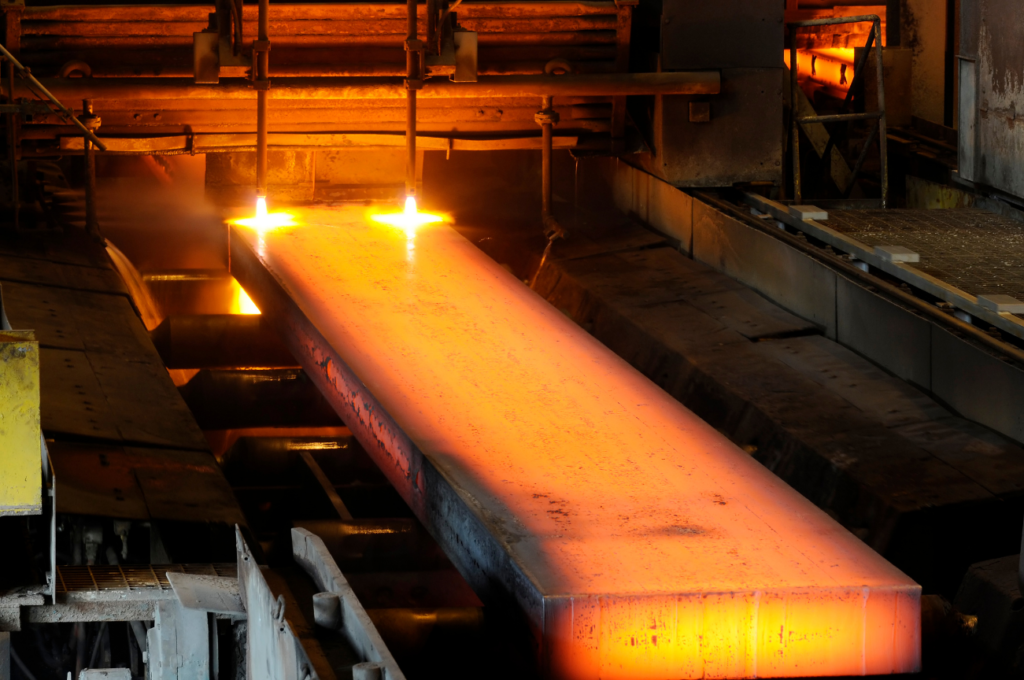
Steel remains one of the most important materials in the global economy. From skyscrapers and bridges to automobiles and industrial machinery, steel products are essential for countless industries. Behind every finished steel product is a complex manufacturing process carried out in modern steel mills that operate around the clock to meet growing demand.
While technological advancements have significantly improved efficiency and production capacity, worker safety continues to be a top priority for steel manufacturers. Steel production involves high temperatures, heavy machinery, moving materials, and challenging working conditions that require careful planning and management.
Over the years, steel mills have adopted new technologies, safety procedures, and training programs designed to reduce workplace risks and create safer environments for employees. As a result, modern steel manufacturing facilities are often far safer than their predecessors, despite handling some of the most demanding industrial processes in the world.
Understanding the Challenges of Steel Manufacturing
Steel production involves multiple stages, each with its own operational requirements and safety considerations. Raw materials such as iron ore, coal, and scrap metal are processed through various systems before becoming finished steel products.
Employees may work near furnaces, rolling mills, cutting equipment, material handling systems, and transportation vehicles. These operations require close coordination between workers, supervisors, and automated systems to maintain both efficiency and safety.
The scale of modern steel facilities also contributes to workplace challenges. Large production areas, continuous manufacturing processes, and heavy equipment create environments where safety must be integrated into every aspect of daily operations.
Rather than relying solely on protective equipment, modern steel manufacturers focus on identifying hazards at their source and implementing measures that reduce risks before incidents occur.
Automation and Advanced Technology
One of the most significant improvements in worker safety has come from automation. Modern steel mills increasingly utilize automated equipment to perform tasks that were once completed manually.
Robotic systems can handle materials, transport products, perform inspections, and operate machinery in areas where workers would otherwise face greater exposure to hazards. By reducing direct interaction with dangerous processes, automation helps minimize the likelihood of workplace injuries.
Sensors and monitoring systems also play an important role. These technologies allow operators to track equipment performance, detect abnormalities, and identify potential issues before they become serious problems.
In many facilities, control rooms now allow employees to oversee production processes remotely, reducing the need for personnel to remain near high-risk equipment for extended periods.
Managing High-Temperature Operations
Heat is one of the defining characteristics of steel production. Furnaces used during manufacturing operate at extremely high temperatures, creating environments that require careful management.
Employees working near heat-generating equipment must remain aware of potential risks associated with elevated temperatures. Prolonged exposure can contribute to fatigue, dehydration, and reduced concentration, increasing the likelihood of mistakes.
To address these concerns, steel mills implement a variety of heat management strategies. Ventilation systems help regulate workplace temperatures, while hydration programs encourage workers to maintain proper fluid intake throughout their shifts.
Many facilities also schedule regular breaks and monitor environmental conditions to ensure employees can perform their duties safely. These efforts help reduce heat-related stress and support overall worker well-being.
Improving Material Handling Safety
Steel products are often large, heavy, and difficult to move manually. As a result, material handling represents another critical area of focus for workplace safety programs.
Modern mills use cranes, conveyors, automated guided vehicles, and specialized lifting equipment to transport materials throughout production facilities. These systems reduce the need for manual handling and help minimize strain-related injuries.
Operators receive extensive training on safe material movement procedures, including load stability, equipment limitations, and communication protocols. Proper planning ensures that heavy products can be moved efficiently while reducing risks to nearby workers.
Clearly marked travel routes, restricted access zones, and designated loading areas further contribute to safer operations by improving organization and reducing the potential for accidents.
Building a Strong Safety Culture
Technology alone cannot create a safe workplace. Successful steel manufacturers recognize that employee involvement is equally important.
A strong safety culture encourages workers to remain vigilant, follow established procedures, and report concerns whenever they identify potential hazards. Employees are often the first to notice changes in equipment performance, workplace conditions, or operational risks.
Many organizations conduct regular safety meetings where teams discuss recent observations, review incidents, and share recommendations for improvement. These conversations help reinforce safe behaviors and ensure safety remains a visible priority throughout the organization.
Leadership also plays a key role. Managers who actively support workplace safety initiatives help create an environment where employees feel comfortable raising concerns and participating in continuous improvement efforts.
Training and Workforce Development
Comprehensive training programs are essential for maintaining safe operations in steel manufacturing environments.
New employees typically receive instruction covering equipment operation, hazard recognition, emergency procedures, and workplace safety expectations. Experienced workers also participate in refresher training to stay informed about changing technologies and updated procedures.
Training helps employees understand not only how to perform tasks correctly but also why specific safety measures exist. This knowledge allows workers to make informed decisions when encountering unfamiliar situations.
Many facilities supplement classroom instruction with hands-on exercises, simulations, and practical demonstrations that reinforce learning and improve preparedness.
The Role of Protective Equipment
Although modern steel mills prioritize hazard elimination and engineering controls, personal protective equipment remains an important component of workplace safety programs.
Workers may use safety helmets, eye protection, hearing protection, protective footwear, and specialized clothing depending on their responsibilities and work environment.
In production areas where employees work near heated metal, processing equipment, and elevated temperatures, steel manufacturers often invest in protection against heat-related hand injuries as part of a comprehensive workplace safety program.
When combined with training and proper procedures, protective equipment helps reduce the severity of potential incidents and supports safer daily operations.
Continuous Improvement and Future Developments
The steel industry continues to evolve as manufacturers seek new ways to improve efficiency, sustainability, and workplace safety. Advances in automation, artificial intelligence, predictive maintenance, and data analytics are creating opportunities to identify risks earlier and respond more effectively.
Many facilities now analyze operational data to detect patterns that may indicate potential safety concerns. Predictive technologies can help organizations address equipment issues before failures occur, reducing both downtime and workplace hazards.
As these innovations become more widely adopted, worker safety is expected to improve further while supporting higher levels of productivity and operational performance.
Conclusion
Modern steel mills operate in demanding environments that require careful attention to worker safety. Through automation, advanced monitoring systems, comprehensive training programs, effective material handling practices, and strong safety cultures, manufacturers have made significant progress in reducing workplace risks.
While steel production will always involve unique challenges, today’s facilities demonstrate how technology and proactive safety management can work together to create safer and more efficient workplaces. By continuing to invest in innovation and employee well-being, steel manufacturers can support both operational success and long-term workforce protection.