
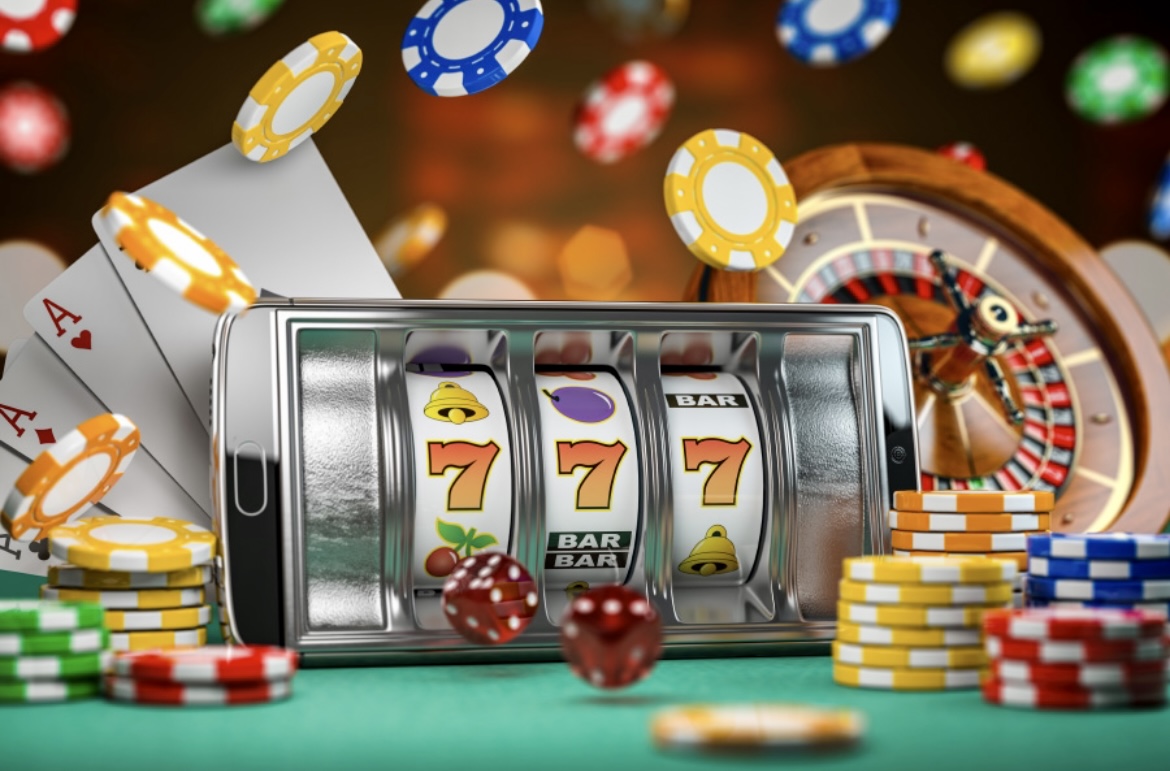
Slot machines are among the most recognizable gaming devices in the world. Their evolution—from simple mechanical devices to sophisticated digital platforms—reflects major shifts in technology, entertainment, and gaming culture. Understanding how slot machines developed helps shed light on how modern digital games came to be.
The Birth of the Slot Machine (Late 1800s)
The first true slot machine, called the Liberty Bell, was created by Charles Fey in San Francisco in 1895. This early device featured three spinning mechanical reels and symbols like horseshoes, stars, and bells. When a player pulled a lever and the reels aligned with matching symbols, the machine automatically dispensed coins.
At the time, this invention brought a new automated form of entertainment to bars, saloons, and cigar shops, marking the beginning of a new era in gaming.
The Rise of Electromechanical Slots (1960s)
For decades, slot machines relied solely on mechanical gears and springs. That changed in the 1960s with the introduction of electromechanical slots. Bally Manufacturing produced one of the first successful models, Money Honey (1963), which used electrical components to automate payouts and enable larger jackpots.
This transition allowed for more sophisticated game features and paved the way for the modern slot experience.
Video Slot Machines Enter the Scene (1970s–1980s)
The 1970s introduced another major breakthrough: video slot machines. These machines replaced physical reels with digital screens, allowing developers to create:
More varied themes and graphics
Bonus rounds and expanded features
Higher levels of automation
By the 1980s and 1990s, video slots had become a mainstay in casinos around the world, transforming the player experience and opening the door for creative game design.
The Internet Revolution and Online Slots (1990s–2000s)
With the rise of the internet in the mid-1990s, slot games moved beyond physical casino floors and onto digital platforms. Online slot websites offered players the ability to access games from home, introducing:
Virtual reels and themes
Electronic payment systems
More advanced animations and sound effects
This period marked a turning point where gaming shifted from mechanical hardware to software-driven experiences.
Mobile and Digital Slot Platforms (2010s–Present)
The growth of mobile technology further expanded digital gaming. Today, slot-style games can be played on smartphones, tablets, and computers. Modern digital slot platforms may include:
High-definition graphics and 3D animations
Interactive storylines and character-based themes
Random Number Generator (RNG) technology for fairness
Integration with mobile apps and online entertainment hubs
These systems focus heavily on user experience, accessibility, and responsible gaming tools in regions where such platforms are regulated.
Responsible Gaming and Regulations
As slot machines evolved, so did regulatory standards. Many regions now enforce laws to ensure fairness, transparency, and player protection. Modern gaming environments may include:
Age restrictions
Responsible play reminders
Licensed software providers
Security and data-protection systems
Understanding local regulations remains important for anyone engaging with gaming platforms.
Conclusion
From the clinking gears of the Liberty Bell to immersive digital platforms, slot machines have traveled a long technological journey. Their history reflects broader shifts in entertainment, mechanics, digital systems, and consumer habits. While these machines continue to evolve, one thing remains constant: their impact on gaming culture and technological innovation.