
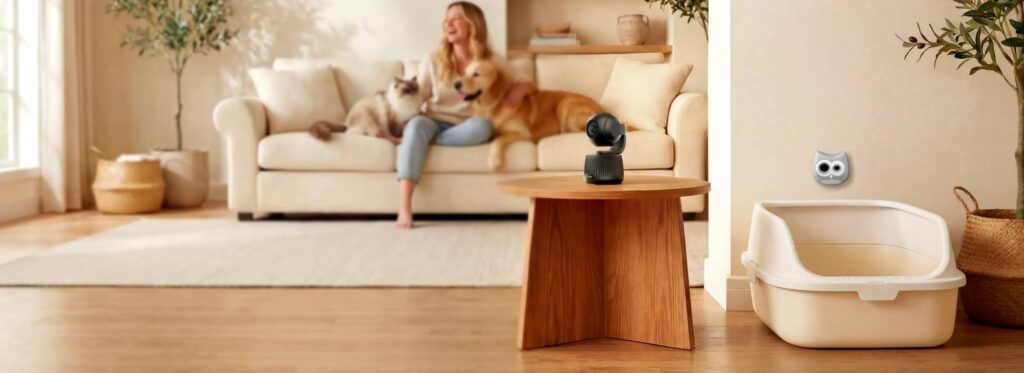
Every pet parent has stood at the door in the morning wondering the same quiet thing: what will my dog or cat actually do the moment I leave? For years, the honest answer was a shrug. You guessed. You interpreted chewed cushions and rearranged rugs as clues. You listened to muffled complaints from a neighbor and hoped for the best. That era of guessing is quickly giving way to something very different, and the tool at the center of the shift is the household pet camera. The gap between how we used to check on our animals and how we can now is wider than most people realize, and once you experience it, going back feels almost unthinkable. This article walks through that contrast, exploring what changes when uncertainty gives way to visibility, and how a modern camera turns quiet worry into calm confidence.
The Old Way: Assumptions, Anxiety, and Half-Answers
Not long ago, monitoring a pet meant relying on a handful of imperfect signals. You might come home to a mess on the carpet and try to reverse-engineer the story. You might ask a neighbor if the barking had been bad. You might set up a webcam pointed at the couch and check in on a laggy stream during lunch, only to see an empty cushion and no clue where the dog actually went. These half-answers created a specific kind of low-grade stress. It is the stress of caring deeply about a creature that cannot text you, cannot leave a voicemail, and cannot explain what happened between nine and five. The old way asked us to fill in the blanks with imagination, which is rarely kind to worried owners.
The problem was never a lack of love or attention. It was a lack of tools. A basic webcam pointed at one room ignored the rest of the house. A phone call from a friend gave a snapshot of thirty seconds. A door sensor told you something happened without telling you what. Compared to what is available now with a purpose-built pet camera, those older methods look like trying to understand a novel by reading three random pages. You got fragments, and you paid for those fragments with sleep, focus at work, and an oddly heavy feeling on the commute home. The contrast between then and now is not about gadgets. It is about the emotional weight that lifts when you finally see instead of guess.
The New Way: Live Eyes That Actually Understand Pets
A modern pet camera is not simply a smaller, cheaper version of the old security camera. It is a different category of device, designed around how animals actually behave. Where a generic security cam waits for motion in a hallway, a camera built for pets pays attention to a different set of things. It follows the dog when he wanders from the sofa to the kitchen. It notices when the cat spends unusually long stretches under the bed. It listens for barking, whining, or the sudden silence that sometimes means a pet has slipped into a place they should not be. The device is less a passive lens and more a companion sensor that helps you understand what a normal day looks like for your animal.
The most important shift is from static to interactive. Older setups let you look. Newer ones let you participate. You can speak into a small speaker and reassure a nervous puppy during a thunderstorm. You can toss a treat with a tap on your phone as a reward for calm behavior. You can adjust the view, zoom in on the crate, and check whether water has been spilled. Instead of coming home to a mystery, you come home to a timeline. And instead of hoping your pet handled the day well, you actually know how the day went, hour by hour.
What Changes When You Can Finally See
The difference is not only technical. It is behavioral, on both sides of the leash. Owners who install a camera almost always report that they discover something they did not expect. A dog they assumed was miserable while alone turns out to spend most of the day sleeping. A cat believed to be uninterested in toys actually plays energetically the moment the humans leave. Sometimes the discoveries are less charming. A dog is pacing more than a healthy amount. A cat is grooming the same spot obsessively. These are exactly the kinds of details a vet needs to hear, and they are almost impossible to gather without visibility. Assumption gives way to evidence, and evidence leads to better care.
There is also a quieter benefit that few people mention before they try it. When you can see your animal, you check less. This sounds contradictory, but it plays out in most homes. The relief of knowing you can look at any time removes the compulsive need to actually look every ten minutes. Owners describe a kind of settling. The camera becomes a background reassurance rather than a constant preoccupation. Compare that to the old way of frantically wondering all afternoon, and the contrast is not just informational, it is emotional.
Baby Monitors, Security Cams, and Why a Pet Camera Is Different
Many people, before buying, wonder if a general-purpose camera would be enough. It is a fair question. A baby monitor watches a crib. A security camera watches a front door. Why buy something specifically for pets? The answer lies in how animals move and what owners actually need to know. A baby monitor assumes the subject stays in one place. A security camera assumes movement is suspicious and should trigger alerts. A pet camera assumes movement is expected, that the subject roams, and that the interesting moments are things like drinking water, greeting a delivery person, or curling up on the wrong piece of furniture. The device tunes its intelligence to those patterns rather than fighting them.
Compatibility with the household also matters. Pet-focused cameras are usually designed with wider lenses to capture whole rooms, better low-light sensors for animals that move at dawn and dusk, and audio features that recognize the difference between a bark and a car horn outside. Brands that focus on this space, such as SiiPet, tend to think about the practical reality of a pet parent’s day, not just the abstract idea of surveillance. That is a meaningful contrast with repurposed general-purpose gear, which often ends up feeling like a compromise in both directions.
How Owners Use It: Small Habits, Big Peace of Mind
Once a camera is in place, the way people use it tends to settle into a rhythm. Morning check-ins after leaving the house become a two-second glance rather than an anxious call. Lunch breaks turn into a chance to say hello and confirm that the mail carrier survived the visit. Evenings sometimes involve rewinding a few clips to see what caused a chewed slipper or a knocked-over plant. The camera does not take over anyone’s life, and that is precisely the point. It removes friction, then quietly steps aside. Contrast that with the older habit of worrying without any way to act, and the difference becomes obvious after a week.
Longer trips are where the contrast really lands. Weekend getaways used to mean either boarding, hiring a sitter for constant coverage, or leaving with a knot in your stomach. A camera does not replace a sitter for feeding or walks, but it drastically changes what happens between visits. You can see whether the sitter arrived, whether your pet ate, whether the water dish was refilled. If the sitter forgot to close a door, you notice. If your dog is unusually anxious, you spot it early. Small pieces of information add up to a very different travel experience, and many owners say they enjoy trips more once this visibility is in place.
Before and After: A Simple Comparison Worth Making
If you want to feel the contrast quickly, imagine two versions of the same Tuesday. In the first, your dog has been alone for six hours. You have not heard anything. You have imagined scenarios ranging from mild boredom to swallowed socks. You arrive home cautiously, half-braced, and either sigh with relief or begin cleaning something up. In the second version of the same day, you glanced at your phone twice, saw a peaceful nap and one long chew session, and knew everything was fine by lunchtime. The two Tuesdays look identical to the dog. They feel completely different to you. That single shift, repeated across the year, is why so many pet parents describe a pet camera as one of the highest emotional-return purchases they have made.
From Wondering to Watching, a Better Way to Care
The story of pet monitoring is really a story about closing the gap between the love we already feel and the information we have always lacked. The old way asked us to worry in silence. The new way lets us stay connected without hovering, informed without obsessing, and calm without pretending. A well-chosen pet camera does not turn owners into micromanagers, and it does not replace the walks, cuddles, and attention that make an animal happy. It simply removes the guesswork that used to sit between us and our pets during the hours we cannot be in the same room. When you compare a home with that guesswork to a home without it, the contrast is quiet but unmistakable. It is the difference between hoping your pet is okay and knowing.