
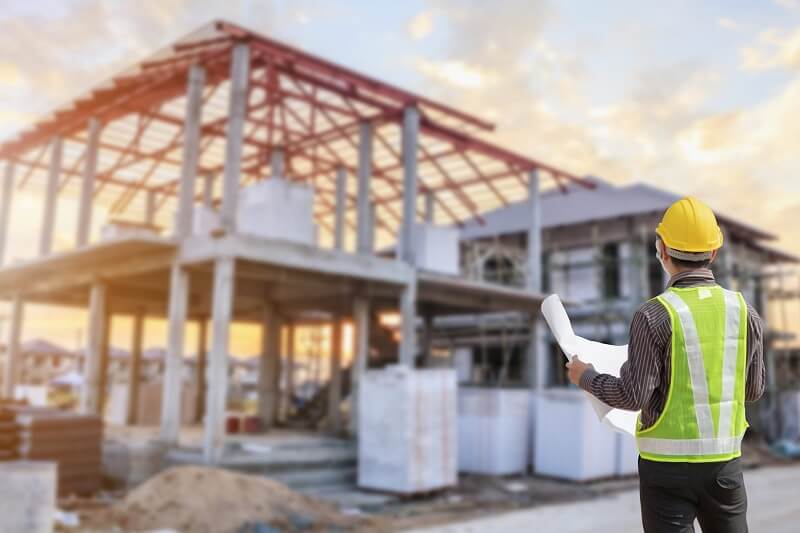
Every custom build starts with a budget. Every custom build starts with a timeline. Then reality shows up. Families commissioning a first home on Long Island’s North Shore learn fast that neither number holds itself, because dozens of small decisions push against both from the very first week of framing. The single biggest predictor of whether they hold is not the floor plan, it is the custom home builder huntington ny a family hires to run the entire job. Here is the argument in one line. One accountable builder who owns design through completion keeps the budget and the schedule under a single roof, and that beats handing pieces of the project to a loose committee of specialists who each answer only for their own slice.
Where Custom Home Budgets Quietly Break
Budgets rarely break in one dramatic moment. They erode. The line item that quietly does the damage is the allowance, meaning a placeholder dollar figure a builder pencils in for finishes you have not chosen yet, from tile to cabinet hardware. On a $600,000 North Shore build those placeholders can drift ten to fifteen percent before anyone signs off on a single selection. The case we see most often is a family who fell in love with a rendering, then watched the real countertop, the real lighting package, and the real millwork all land well above the numbers on page one. Nobody lied to them. The estimate simply assumed builder-grade everything, and builder-grade is not what they walked in wanting.
The ground keeps shifting under those placeholders too. New-home prices have climbed hard since 2019, and the trend is not subtle. Land got more expensive, and so did framing lumber, and the labor to install it never came back down. The chart above tracks the national average sale price of a new single-family home, and the slope is the whole point, because a budget written to last year’s numbers is already behind. A build that pencils out today can look tight by the time the slab is poured. That budget was on borrowed time from the start.
Timelines break the same quiet way. A ten-to-fourteen-month schedule assumes every trade shows up in sequence, but one missed inspection or a backordered window can push the next three trades a month each. When no single person owns that calendar, the slip goes unnoticed until it is a season, not a week. Suffolk County permitting adds its own waiting, and a builder who has not scheduled around it will discover the delay late. In practice this usually means the family absorbs both the cost and the frustration.
Questions That Separate Builders From Salesmen
The fastest way to tell a builder from a salesman is to ask questions the salesman cannot answer with a brochure. Price is where the North Shore market has gotten unforgiving. A June 2026 Fortune analysis of Zillow data counted 242 U.S. cities where a starter home now costs $1 million or more, and the New York City metro led every market with 63 of them. When even entry-level inventory clears seven figures, a custom build has to justify every dollar, and the builder should welcome that scrutiny rather than deflect it. Ask the hard questions early, before the contract, while you still hold leverage.
- Will one point of contact own both the budget and the schedule from design through the final walkthrough? A good answer names that specific person.
- How do you handle allowances, and what happens to the price when my finish selections run over? A real dollar process beats a shrug.
- Can you show me your last two Suffolk County projects that finished within ten percent of the signed budget?
- Who carries the cost when a subcontractor misses a milestone, you or me?
Listen for specifics in the answers. A builder who owns his numbers will name a person, a process, and a past project without stalling. Vague reassurance is the tell. If the answer to who eats a subcontractor overage is a smile instead of a name, you already have your answer.
One Accountable Builder Beats A Committee
A committee has no center. When design, budget, and build sit with different companies, every handoff becomes a chance for a number to shift and for accountability to evaporate. One builder running the whole job removes those seams, because the same person who drew the plan signs off on what it costs to finish it. The U.S. Census Bureau’s characteristics of new housing put the median new single-family home at $417,400 on a median 2,194 square feet in 2025, and a true North Shore custom home sits well above both, which is exactly why the margin for a drifting budget runs so thin. More house and more money simply mean more that can go sideways without one owner holding the line.
So keep the whole build under one signature. The right custom home builder huntington ny families can rely on owns the calendar and the cost sheet from the first sketch to the final walkthrough, and answers for both when they drift. That single point of accountability is what actually finishes a home on budget. Everything else is just hoping the numbers behave.