
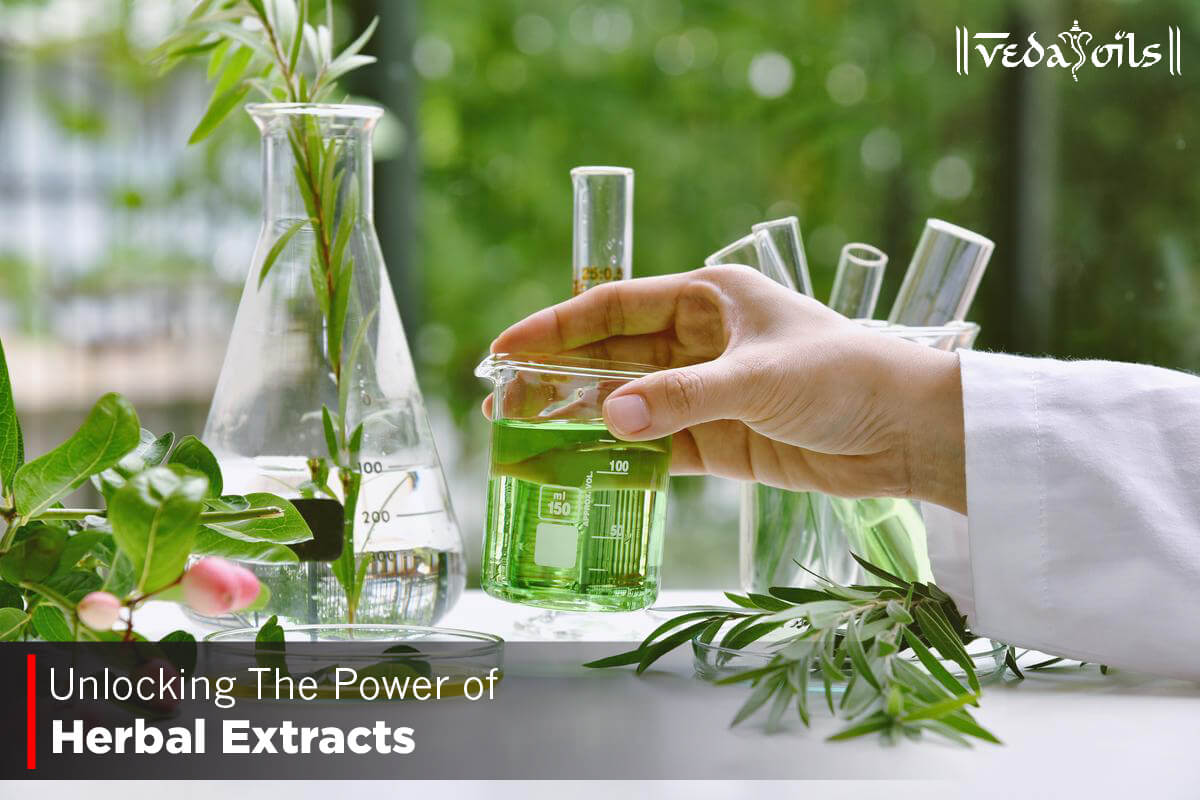
Liquid herbal extracts look deceptively similar lined up on a shelf, with same small amber bottles and the same dropper caps. What’s inside them, though, varies more than most people realize. The solvent used to pull compounds out of a plant doesn’t just change the taste, but also changes potency, shelf life, and which compounds even make it into the bottle. Here’s more on liquid herbal extracts organized in detail.
Why “Liquid Herbal Extract” Isn’t One Thing
An extract is simply a plant’s active compounds drawn out of its structural material and concentrated into liquid form. Herbal supplements come in many forms, such as teas, capsules, powders, and extracts, among them, and liquid extracts themselves split further depending on what solvent does the work. That single choice of solvent is the real dividing line between every type discussed below.
Tinctures: The Alcohol-Based Standard
Tinctures use ethanol as the primary solvent, and that choice comes with real tradeoffs:
· Alcohol extracts a wide range of compounds, both water-soluble and alcohol-soluble, making tinctures broadly effective across different herb types.
· Higher alcohol concentrations favor resins, volatile oils, and alkaloids, while lower concentrations (25-30%) work better for polysaccharides and mucilage-rich herbs.
· Alcohol’s preservative properties give tinctures a shelf life that can stretch several years.
How a tincture is made matters too. Folk-style maceration, which is soaking the herb in alcohol for one to two weeks, typically yields a 1:4 or 1:5 herb-to-solvent ratio. Percolation can achieve a much stronger 1:2 or even 1:1 ratio in a fraction of the time.
Glycerites: The Alcohol-Free Option
Glycerites swap ethanol for vegetable glycerin, and the differences show up almost immediately:
· Glycerin produces a noticeably sweeter, more palatable extract than alcohol.
· It’s considered a gentler, weaker solvent, meaning glycerites often require a larger serving to match an equivalent alcohol tincture dose.
· Shelf life runs shorter, typically one to two years rather than several.
· Glycerin doesn’t denature proteins the way alcohol can, which makes it a better fit for mucilaginous herbs like marshmallow root, where preserving certain polysaccharides matters.
This is exactly the alcohol-free category Hawaii Pharm builds much of its glycerite line around, offering the same herbs in both alcohol-based and alcohol-free formats, so the choice comes down to personal preference rather than availability.
Oxymels and Elixirs: The Lesser-Known Forms
Beyond tinctures and glycerites, two older preparation styles still show up in herbal practice. Oxymels combine vinegar and honey as the extracting medium, used for respiratory and immune-focused herbs. Elixirs add honey, sometimes alongside alcohol, creating a syrupier preparation rather than a dropper-dosed liquid.
Tips for Choosing a Quality Liquid Extract
A few label details separate a carefully made extract from a generic one:
· Check for a stated herb-to-solvent extraction ratio (such as 1:4 or 1:5), not just a vague “concentrated” claim.
· For tinctures, look for the actual ethanol percentage in the finished product, since this affects which compounds were realistically extracted.
· Favor brands that lab-test each batch for identity and purity, using methods like HPTLC or FTIR.
· Confirm the product comes from a GMP-certified, FDA-registered facility.
The Bottom Line
The bottle’s solvent matters more than most labels make obvious. Once you understand what separates a tincture from a glycerite, and why a manufacturer chose one approach over another for a given herb, choosing among liquid herbal extracts stops being guesswork.