
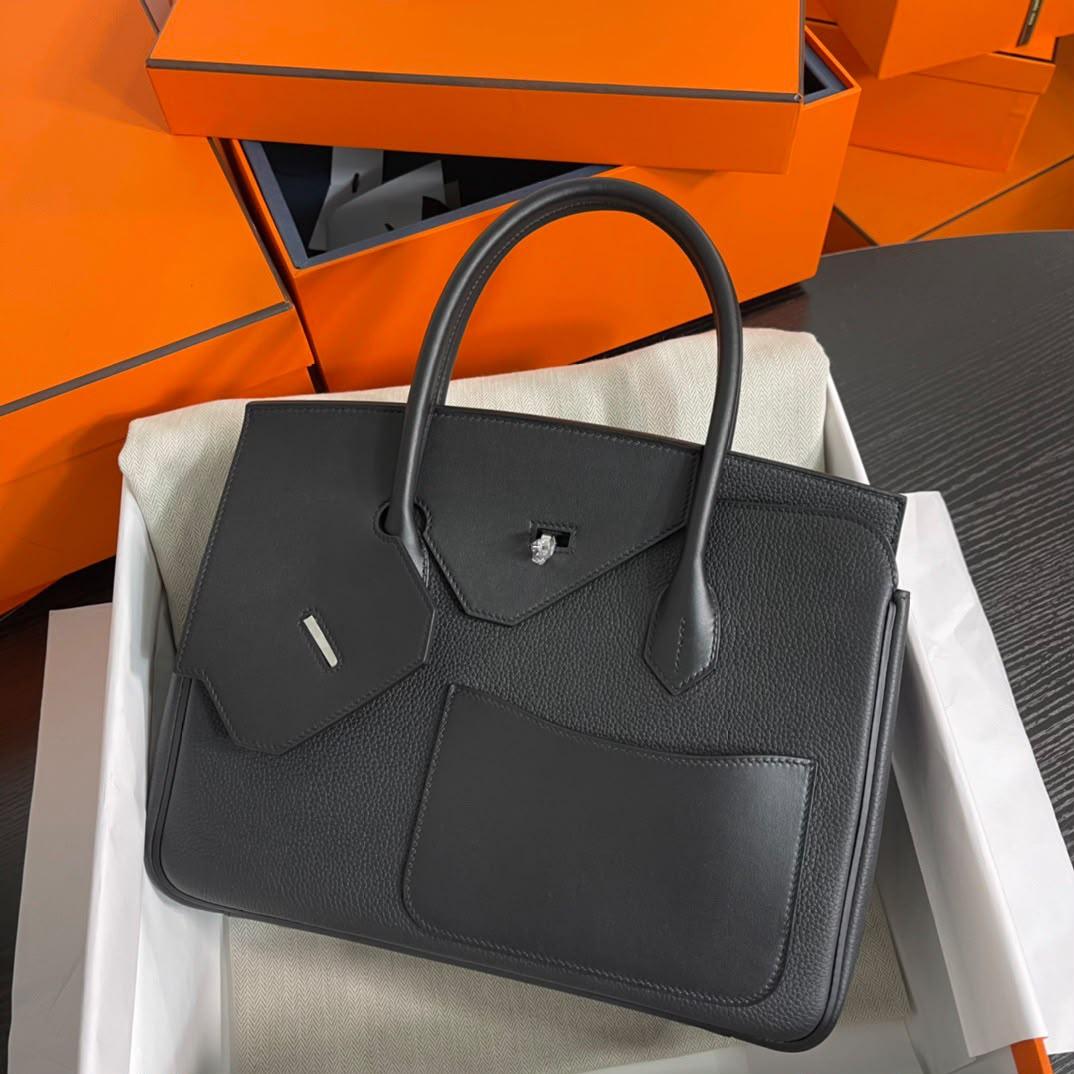
The luxury handbag industry is known for its exceptional craftsmanship, premium materials, sophisticated designs, and attention to detail. From the iconic Louis Vuitton Neverfull to the Chanel Classic Flap and Hermès Birkin, luxury handbags have become recognizable fashion accessories worldwide.
However, not all replica handbags are manufactured to the same standard. There can be considerable differences between inexpensive replicas and higher-grade reproductions in terms of materials, construction, appearance, functionality, and durability.
With improvements in manufacturing technology, some premium replica handbags have become increasingly sophisticated. Nevertheless, understanding what separates a well-constructed handbag from a poorly manufactured one requires more than simply examining its appearance.
So, how do you identify high-quality replica bags? What should you look for when examining leather, stitching, hardware, and overall craftsmanship?
In this comprehensive guide, we explore 15 essential quality checks that can help you understand handbag manufacturing standards, recognize common defects, and make more informed assessments of replica handbag quality.
What Are High-Quality Replica Bags?
High-quality replica bags are unauthorized reproductions of designer handbags that aim to replicate various aspects of the original design, including its appearance, construction, dimensions, materials, and functionality.
Unlike inexpensive replicas, higher-grade reproductions generally place greater emphasis on material selection, detailed craftsmanship, and manufacturing consistency.
Common characteristics associated with premium replica handbags include:
- More carefully selected leather and canvas materials.
- Consistent and reinforced stitching.
- Improved metal hardware.
- Accurate overall proportions.
- Better interior construction.
- Carefully finished leather edges.
- Functional zippers and closures.
- Improved manufacturing consistency.
- Greater attention to structural details.
Terms such as 1:1 replica, super clone, mirror quality, and top-grade replica are commonly used throughout the replica handbag industry.
However, these terms are not independently regulated quality classifications. A handbag advertised as a 1:1 replica does not necessarily contain identical materials or demonstrate the same craftsmanship as an authentic designer handbag.
The actual construction of the product is more important than its advertised quality grade.
1. Examine the Leather Quality and Texture
Leather quality is one of the most important factors when evaluating any handbag.
Premium leather can significantly influence a bag’s appearance, texture, flexibility, durability, and ability to maintain its shape over time.
Different luxury handbag designs use different types of leather. These may include:
- Calfskin leather.
- Lambskin leather.
- Grained leather.
- Cowhide leather.
- Suede leather.
- Patent leather.
- Embossed leather.
- Smooth leather.
Characteristics of Well-Made Leather
Higher-quality leather generally offers a texture and flexibility appropriate to its intended application. It should not display unnecessary surface damage, excessive peeling, or inconsistent coloring.
Inspect the leather under natural lighting and pay attention to its grain, surface finish, and flexibility.
Poor-quality synthetic materials may feel excessively plastic-like, develop surface cracks, or display premature peeling.
However, genuine leather can also be coated, embossed, or treated during manufacturing. An artificially uniform texture does not automatically indicate that a material is synthetic.
Leather type, tanning process, thickness, and finishing all contribute to the final quality of a handbag.
2. Inspect Stitching Consistency and Strength
Stitching is one of the clearest indicators of handbag construction quality.
A handbag may look attractive initially, but weak or inconsistent stitching can reduce its lifespan considerably.
What Does High-Quality Stitching Look Like?
Well-executed stitching generally features:
- Consistent stitch spacing.
- Appropriate thread tension.
- Secure seam endings.
- Reinforcement around stress points.
- Minimal unnecessary loose threads.
- Even alignment along structural seams.
Pay particular attention to the handles, shoulder strap attachments, corners, and base of the handbag.
These areas experience considerable pressure during everyday use.
Poor stitching around stress points can cause handles to loosen, seams to separate, or leather panels to tear.
Both machine stitching and hand stitching can produce excellent results when performed correctly. The technique alone does not determine the quality of the finished bag.
3. Evaluate the Metal Hardware
Metal hardware plays an important role in both the appearance and functionality of a handbag.
Common hardware components include buckles, chains, clasps, zippers, magnetic closures, protective feet, and strap attachment rings.
Higher-quality hardware should provide stable operation and adequate resistance to normal wear.
Signs of Poor-Quality Hardware
Watch for:
- Rough or sharp edges.
- Loose attachment points.
- Uneven surface coatings.
- Premature discoloration.
- Weak clasps.
- Unnecessary rattling.
- Flaking or peeling plating.
Hardware weight may provide some indication of construction, but heavier hardware is not automatically better. High-quality components can be manufactured from different metals and alloys depending on their intended purpose.
Also remember that gold-tone hardware does not necessarily contain solid gold. Many handbag manufacturers use plated or surface-treated base metals.
The durability and consistency of the finish matter more than unsupported claims about metal composition.
4. Check the Overall Shape and Structure
A handbag’s silhouette is an essential element of its design.
Some handbags are intentionally structured and rigid, while others feature a softer, more relaxed appearance.
Understanding this distinction is important when evaluating construction quality.
Structured vs Soft Handbags
Structured handbags should generally maintain their intended shape without unnecessary distortion.
Soft handbags, including certain tote and hobo designs, are naturally more flexible and may develop folds during use.
Examine the bag from multiple angles, including the front, back, sides, and base.
Look for unintended asymmetry, uneven panels, distorted corners, and structural weaknesses.
Poor internal reinforcement can cause certain handbags to lose their shape prematurely. Excessively rigid reinforcement can also make a traditionally soft handbag uncomfortable to use.
A well-constructed bag should balance structural stability with the flexibility required by its design.
5. Examine the Edge Painting and Leather Glazing
Leather edge finishing is an often overlooked aspect of handbag craftsmanship.
When leather is cut, its exposed edges may require sealing, painting, burnishing, folding, or another finishing technique.
This process improves appearance and can help protect the material from everyday wear.
Signs of High-Quality Edge Finishing
Well-finished edges should generally have:
- A consistent surface.
- Smooth application.
- Minimal unnecessary buildup.
- Secure adhesion.
- Clean transitions between materials.
- Appropriate flexibility.
Poor edge painting may appear excessively thick, uneven, cracked, or sticky.
Over time, poorly applied edge coatings can begin to peel, especially around frequently handled areas.
Inspect the edges of handles, shoulder straps, leather tabs, and opening panels carefully.
These areas experience repeated movement and can reveal weaknesses in edge-finishing quality.
6. Inspect the Interior Lining
A handbag’s exterior may receive the most attention, but its interior construction is equally important.
The lining protects internal components, improves usability, and contributes to the bag’s overall structure.
Common handbag lining materials include:
- Cotton textile.
- Microfiber.
- Suede.
- Smooth leather.
- Canvas.
- Synthetic textile blends.
What to Look for Inside the Bag
Examine the lining for secure attachment, evenly finished seams, unnecessary wrinkles, loose threads, and visible adhesive residue.
Interior compartments should be securely attached and easy to access.
Pocket openings should feel stable during normal use.
Poor-quality bags may feature thin linings that tear easily or separate from the exterior panels.
A well-constructed interior should accommodate everyday belongings without creating unnecessary pressure on seams and attachment points.
7. Test the Zippers and Closure Mechanisms
A handbag’s zipper and closure system should provide reliable functionality.
Even an attractive handbag can become frustrating to use if its zipper repeatedly catches or its clasp fails to close securely.
Zipper Quality Checklist
When examining a zipper, consider:
- Smooth opening and closing.
- Consistent zipper teeth.
- Secure zipper pull attachment.
- Stable installation.
- Minimal catching against surrounding fabric.
- Reliable closure across the opening.
Magnetic closures should align properly, while turn-lock and buckle mechanisms should operate without excessive force.
Avoid repeatedly forcing a stiff zipper or clasp, as this can damage the surrounding leather and stitching.
The quality of a closure mechanism is particularly important for handbags intended for frequent everyday use.
8. Evaluate Handles and Shoulder Straps
Handles and shoulder straps are among the hardest-working components of a handbag.
They carry the weight of the bag and its contents, making their construction essential to long-term durability.
A poorly manufactured handle can deteriorate even when the rest of the handbag remains in good condition.
What Makes a Well-Constructed Handle?
Look for comfortable grip, secure stitching, consistent material thickness, reinforced attachments, and carefully finished edges.
For detachable shoulder straps, examine the connecting hardware and adjustment mechanisms.
Chain straps should also be checked for loose links, rough surfaces, and uncomfortable contact points.
Leather straps should not display premature cracking or separation between layers.
When evaluating a handbag, consider whether its handles and straps are suitable for its size and intended carrying capacity.
9. Check Color Consistency and Material Finishing
Color consistency can indicate how carefully materials were selected and finished during manufacturing.
Inspect the handbag under natural daylight rather than relying exclusively on studio photography.
Artificial lighting, filters, and camera settings can significantly change how leather, canvas, and hardware colors appear.
Common Color and Finishing Issues
Potential quality concerns include:
- Uneven coloring between adjacent panels.
- Visible coating marks.
- Unexpected discoloration.
- Stains or surface blemishes.
- Color transfer.
- Inconsistent surface finishing.
Some natural variation is normal in genuine leather, particularly when minimally processed materials are used.
A slight difference in shade does not necessarily indicate poor quality.
The important distinction is whether variations are consistent with the material’s natural characteristics or are caused by manufacturing defects.
10. Inspect Canvas Quality and Durability
Canvas handbags are popular because they can offer durability, relatively low weight, and practical everyday functionality.
Certain luxury handbag designs combine coated canvas with leather handles and trim.
Coated canvas is typically a textile material treated with a protective surface coating. It should not automatically be described as genuine leather.
Signs of Well-Made Canvas
Quality coated canvas should generally demonstrate:
- Appropriate flexibility.
- Consistent surface coating.
- Secure structural seams.
- Resistance to normal everyday handling.
- Minimal unnecessary surface distortion.
- Stable attachment to leather trim.
Low-quality canvas may develop premature cracking, peeling, or excessive stiffness.
Inspect areas where canvas repeatedly folds, such as corners, openings, and base panels.
The method used to attach leather trim to canvas is also important because different materials may respond differently to pressure and movement.
11. Examine Dimensions, Capacity, and Proportions
Handbag dimensions influence appearance, comfort, capacity, and practical usability.
A bag that looks attractive in close-up photographs may not offer the expected size or functionality in person.
Important Measurements to Consider
Before evaluating a handbag, review its:
- Overall width.
- Height.
- Depth.
- Handle drop.
- Shoulder strap length.
- Interior capacity.
- Opening size.
The actual measurements should be consistent with the seller’s published product specifications.
Minor variations can occur during the manufacturing of soft leather products.
However, substantial differences between advertised and actual measurements may indicate inconsistent manufacturing or inaccurate product descriptions.
Consider whether the handbag can accommodate the items you intend to carry, including your phone, wallet, keys, cosmetics, and other everyday belongings.
12. Assess Overall Weight and Comfort
Many people assume that a heavier handbag automatically represents better quality.
In reality, handbag weight depends on several factors, including material selection, dimensions, reinforcement, lining, and hardware construction.
A bag with extensive metal chains and thick leather may naturally weigh more than a lightweight canvas tote.
Why Weight Is Not a Standalone Quality Indicator
A heavy handbag may contain substantial hardware, but it can also contain excessive internal reinforcement or unnecessarily dense materials.
Similarly, a lightweight handbag may be carefully engineered for comfort and everyday practicality.
Evaluate how the bag feels when carried.
Check whether the handles are comfortable, whether the strap distributes weight effectively, and whether the bag remains balanced when filled with ordinary belongings.
A high-quality handbag should offer suitable functionality without unnecessary discomfort.
13. Review the Overall Craftsmanship and Small Details
Small construction details can reveal a great deal about the overall manufacturing process.
Rather than focusing only on the most visible parts of the handbag, examine less obvious areas where manufacturing shortcuts may appear.
These include:
- Interior pocket corners.
- Hidden seams.
- Strap attachment points.
- Areas underneath handles.
- Base construction.
- Interior zipper installation.
- Leather joins.
- Folded material edges.
Quality craftsmanship requires consistency throughout the entire product, including areas that are not immediately visible.
A handbag with an attractive exterior but weak internal construction may deteriorate quickly during regular use.
No single detail establishes overall quality. It is the combination of material selection, construction techniques, functionality, and finishing that matters.
14. Review Quality Control Photos and Product Videos
Quality control, commonly abbreviated as QC, refers to the process of inspecting a product for manufacturing defects and inconsistencies.
Detailed photographs and videos can help consumers assess visible construction quality before receiving a handbag.
What Should a Useful Quality Control Video Show?
A comprehensive product inspection should include:
- Front and back views.
- Both side panels.
- Base construction.
- Interior lining.
- Leather surface close-ups.
- Stitching and seams.
- Zipper functionality.
- Handle attachments.
- Hardware operation.
- Overall shape and condition.
Photographs should ideally be clear, well-lit, and representative of the actual product rather than heavily edited promotional images.
For readers researching the terminology and presentation of replica handbag quality, LuxuryRepBags.com is an example of a website operating within the replica handbag market.
As with any seller, product specifications, material claims, and quality representations should be independently evaluated.
Quality control images can help identify visible defects, but they cannot independently establish leather composition, long-term durability, or authenticity.
15. Understand the Difference Between Price and Actual Quality
Price is an important consideration, but it is not always a reliable indicator of manufacturing quality.
A more expensive handbag may feature better materials and construction. However, its price may also reflect marketing, distribution, packaging, or retailer profit margins.
Factors That Influence Handbag Manufacturing Costs
Several elements can contribute to the cost of producing a handbag:
- Leather selection.
- Material thickness.
- Hardware manufacturing.
- Labor requirements.
- Construction complexity.
- Interior finishing.
- Quality control procedures.
- Packaging.
- Design dimensions.
A small handbag with complicated construction can require more manufacturing effort than a larger bag with a relatively simple design.
Consumers should therefore evaluate tangible construction characteristics rather than assuming that a higher price guarantees a better product.
Similarly, terms such as premium quality, AAA, 5A, mirror quality, and 1:1 should not be treated as independently verified manufacturing standards.
High-Quality vs Low-Quality Replica Bags: Comparison Table
Understanding the general differences between quality tiers can help you recognize common manufacturing problems.
|
Quality Feature |
Lower-Quality Replica Bags |
Higher-Quality Replica Bags |
|
Exterior material |
May use inexpensive synthetic materials |
May use better leather or coated canvas |
|
Stitching |
Potentially uneven or weak |
Generally more consistent |
|
Hardware |
May discolor or loosen quickly |
Generally better constructed |
|
Edge finishing |
Thick, uneven, or prone to peeling |
More carefully applied |
|
Interior lining |
Potentially thin or loosely attached |
More securely constructed |
|
Bag structure |
May distort prematurely |
Better structural consistency |
|
Zippers |
May catch or operate poorly |
Generally smoother operation |
|
Handles |
Potentially weak attachment points |
More substantial reinforcement |
|
Durability |
Often limited by construction weaknesses |
Potentially longer with proper care |
|
Quality control |
May be limited or inconsistent |
More detailed inspection may be available |
These are general differences rather than guaranteed characteristics. Individual handbag quality can vary significantly within any advertised category.
Understanding Different Types of Handbag Materials
Material knowledge is essential when evaluating handbag quality.
Different materials offer different benefits, maintenance requirements, and durability characteristics.
Lambskin Leather
Lambskin is known for its soft texture and smooth appearance.
Although it can offer a luxurious feel, it is generally more susceptible to scratches and handling marks than certain tougher grained leathers.
Grained Calfskin Leather
Grained calfskin features a textured surface that can help make everyday scratches less noticeable.
Its durability depends on its thickness, tanning process, finishing, and overall construction.
Embossed Leather
Embossed leather features a pattern applied to its surface during manufacturing.
The quality of embossed leather depends on both the underlying material and the finishing process.
Coated Canvas
Coated canvas is commonly used in lightweight handbags and travel accessories.
It can provide practical resistance to everyday handling, although excessive folding and inappropriate storage may damage the coating.
Suede Leather
Suede offers a soft, textured finish but generally requires more protection against moisture, dirt, and staining.
The best material depends on how frequently the handbag will be used and the level of maintenance its owner is prepared to provide.
Common Red Flags of Poorly Manufactured Replica Handbags
Recognizing poor construction can help prevent disappointment.
Some of the most common warning signs include:
- Peeling or cracking immediately after minimal use.
- Loose stitching around handles.
- Hardware that fails to close securely.
- Excessively distorted bag panels.
- Strong chemical odors that persist.
- Visible adhesive around seams.
- Weak interior pocket construction.
- Zippers that repeatedly become stuck.
- Inconsistent material thickness.
- Shoulder straps that separate at the edges.
- Misleading or contradictory product specifications.
One minor cosmetic imperfection does not necessarily make a handbag unusable.
However, multiple structural defects may indicate inadequate manufacturing standards or insufficient quality control.
How Long Do High-Quality Replica Bags Last?
The lifespan of a handbag depends on its materials, construction quality, frequency of use, carrying habits, storage conditions, and maintenance.
A well-constructed leather handbag may remain usable for several years when properly maintained. However, no specific lifespan can be guaranteed based solely on its advertised quality tier.
Handbags frequently exposed to excessive weight, moisture, direct sunlight, or rough handling may deteriorate more quickly.
How to Extend the Life of a Handbag
Follow these practical maintenance recommendations:
- Store the handbag in a clean, breathable dust bag.
- Avoid prolonged exposure to direct sunlight.
- Keep leather away from excessive moisture.
- Do not overload handles and shoulder straps.
- Use appropriate leather-care products.
- Avoid storing handbags in excessively humid environments.
- Maintain the bag’s shape with suitable internal support.
- Clean hardware gently using a soft cloth.
- Keep cosmetics and liquids inside separate protective pouches.
- Address loose stitching before damage becomes more extensive.
Always use care products suitable for the specific material. Products designed for smooth leather may not be appropriate for suede, patent leather, or coated canvas.
Are 1:1 Replica Bags the Same as Authentic Designer Bags?
No. A 1:1 replica bag is not an authentic designer handbag.
The term 1:1 is commonly used to describe reproductions marketed as closely resembling an original design.
However, it does not guarantee identical leather sourcing, manufacturing processes, component composition, craftsmanship, or durability.
Authentic luxury handbags are manufactured or authorized by their respective brands and may include brand-specific quality control, provenance, servicing, and warranty support.
A replica may reproduce certain visual and functional characteristics, but resemblance does not establish authenticity.
Consumers should understand this distinction, particularly when purchasing pre-owned designer handbags.
Counterfeit products may also be subject to intellectual property restrictions and customs enforcement depending on the jurisdiction.
Frequently Asked Questions About High-Quality Replica Bags
How can you tell if a replica bag is high quality?
Examine the leather, stitching, hardware, lining, handles, edge finishing, and overall structure. Look for consistent craftsmanship, reliable functionality, and minimal manufacturing defects.
What is the most important feature of a high-quality handbag?
Material quality and structural construction are among the most important factors. Even an attractive handbag may have limited durability if its stitching, handle attachments, or internal reinforcement are weak.
Do high-quality replica bags use real leather?
Some replica handbags may use genuine leather, while others use synthetic materials or combinations of different materials. A seller’s description alone does not independently verify leather composition.
What does 1:1 quality mean in replica bags?
The term 1:1 generally describes a reproduction marketed as closely resembling an original product. It is not a regulated or independently certified quality standard.
Are expensive replica bags always better?
No. Price can reflect materials and craftsmanship, but it can also reflect retailer margins, marketing, and packaging. Construction quality should be evaluated independently of price.
How important is stitching when evaluating a handbag?
Stitching is extremely important because it holds the handbag’s components together. Reinforced, consistent stitching can improve structural durability, particularly around handles and shoulder straps.
Can you judge handbag quality from photographs?
Photographs can reveal visible construction details, material appearance, and certain manufacturing defects. However, they cannot reliably establish material composition, tactile characteristics, or long-term durability.
Why do some handbags develop peeling leather edges?
Peeling can result from poorly applied edge coatings, material incompatibility, repeated friction, excessive moisture, or general wear. Proper construction and maintenance can help reduce premature deterioration.
Is heavier handbag hardware better?
Not necessarily. Hardware durability depends on material composition, manufacturing quality, surface treatment, and mechanical construction rather than weight alone.
Can high-quality handbags last for years?
Yes, well-constructed handbags can remain usable for years with appropriate care. However, actual lifespan varies according to materials, manufacturing quality, storage, and frequency of use.
What is the difference between a regular replica and a premium replica handbag?
Premium replicas are generally marketed as offering improved materials, finishing, construction, and attention to detail. However, these claims should be evaluated individually because quality classifications are not standardized.
What should I look for in handbag quality control videos?
Look for detailed footage of the exterior, interior, seams, handles, leather edges, hardware, zippers, and attachment points. Clear footage under neutral lighting is generally more useful than heavily edited promotional content.
Final Thoughts: How to Identify High-Quality Replica Bags in 2026
Identifying high-quality replica bags requires a comprehensive understanding of materials, craftsmanship, manufacturing techniques, and functional design.
While appearance is often the first thing people notice, long-term handbag quality depends on much more than external aesthetics.
Leather consistency, reinforced stitching, reliable hardware, carefully finished edges, secure handle attachments, and well-constructed interiors all contribute to the overall durability and functionality of a handbag.
Understanding these 15 essential quality checks can help readers recognize manufacturing weaknesses and evaluate the differences between lower-grade and higher-grade handbag construction.
Resources such as LuxuryRepBags.com illustrate the terminology and product specifications commonly associated with the premium replica handbag market. However, quality claims should be evaluated carefully, and advertised similarity should never be confused with genuine brand authenticity.
Ultimately, the best way to assess handbag quality is to focus on measurable construction characteristics, documented material specifications, practical functionality, and transparent product information rather than marketing labels alone.
A well-constructed handbag is defined by the quality of its materials, the consistency of its craftsmanship, and its ability to withstand everyday use.