
A seasonal menu item looks like a fun marketing swing, but it starts months earlier in a test kitchen where a single bench recipe gets beaten down and rebuilt. Chains don’t add a new sauce or sandwich on a whim. They run it through equipment trials, supplier audits, pilot store check ins, and final menu board tests before it reaches you.
The menu board doesn’t change until a test kitchen has rejected forty versions of the same sauce.
Fast food chains release limited time items on a schedule that looks random to customers. A shrimp burger in summer, a peppermint shake in December, a spicy chicken sandwich in the fall. Behind each launch sits a product development calendar that stretches from concept approval to regional pilot. You can walk past a test kitchen in a city for years and never know a national favorite started there. Whataburger’s company history page shows how a single regional chain spent decades refining its core items before expanding outward, and that same patient testing applied to seasonal additions. Industry veterans see the menu board as a snapshot of decisions made many months earlier.
Recipe developers in commercial kitchens work with ingredient suppliers, equipment vendors, quality control teams, and field operations managers before a store ever prints the promotional banner. That long runway exists because a single batch can hide a flaw that only appears at scale. A sauce might hold together in a glass bowl and split the moment a 40 quart mixer turns it at production speed.
The Seasonal Menu Calendar Hides a Long Prep Cycle
A chain doesn’t decide in November that it wants a peppermint shake for December. The peppermint shake got approved the previous spring, ran through summer pilot tests, and locked its supplier contracts before the first cold front. You see the final ad push and assume the chain is being clever. In practice, the calendar was full of checkpoints that had nothing to do with your holiday mood. The marketing team, the purchasing group, the food science staff, and the regional operations lead all had to sign off on hold times, portion weights, packaging specs, and storage temperatures. That is why some seasonal items come back every year and others vanish after one cycle. The ones that return are the ones that survived the full prep cycle without forcing a store manager to rework the whole shift plan.
You can spot the influence of that calendar in the way chains roll out limited time offers in clusters. A new sauce appears with a familiar protein, then a new side appears with a familiar sauce. The test kitchen used one approved component to test the next one. That keeps the equipment setup stable and reduces the number of variables a store has to track.
Scaling a Single Recipe into a Regional Rollout
The hardest part is not creating a new sauce. The hardest part is making it identical across a chain with hundreds of locations that have different water pressure, humidity, staff skill levels, and equipment condition. A test kitchen can mix a perfect honey butter in a five quart bowl, but that tells a chain nothing about a two hundred pound production run. You have to know how the fat separates at scale, how the flour hydrates under a commercial dough hook, how long the mixer can run before heat starts changing the texture, and how the finished batch settles in a holding cabinet.
Test kitchens keep detailed batch logs that read like engineering reports. The Bureau of Labor Statistics food preparation workforce page shows that food prep work spills across many roles, but the test kitchen operator and the store prep worker are not interchangeable. One is paid to question every step, the other is paid to repeat it. That gap is why chains fly field trainers to pilot stores. They need eyes on the actual prep line to see whether the store worker can repeat the test kitchen’s result in a rush.
Commercial Kitchen Equipment Determines What Gets Approved
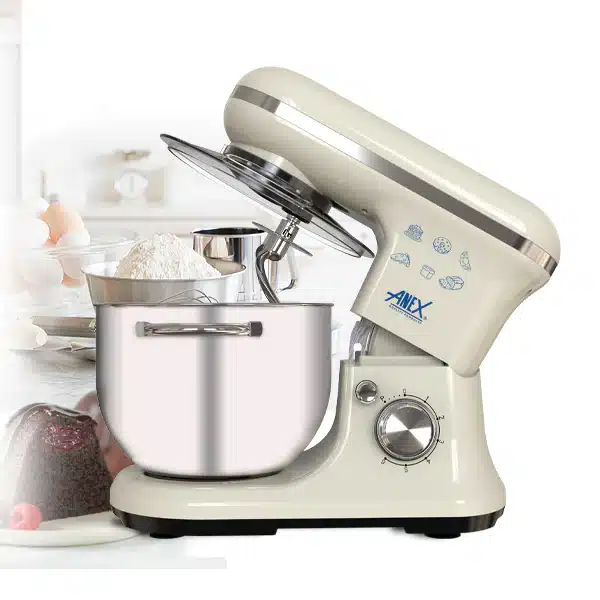
A menu idea dies for plenty of reasons, and the most boring one is equipment. If a new biscuit recipe can’t be mixed in the machines that already sit in commissary kitchens, it won’t get approved. A chain won’t retool an entire fleet of production facilities for a limited time offer. Test kitchens keep a rack of variable speed units, small planetary mixers, tabletop fryers, and narrow holding wells just to mimic what a store can handle. When a chain moves from a bench recipe to a full production run, it replaces the small batch tool with machines like Large Food Mixers that can hold a 40 quart bowl without shredding the mix.
You don’t win a menu slot by being the best tasting sauce in a chef’s kitchen. You win by surviving the same equipment lineup a district manager already has on the floor. That is why test kitchens obsess over batch yield, mixer speed, and bowl scrape patterns. A recipe that requires a specific hand whisk technique will never scale to every store in a market.
Why Speed and Consistency Matter More Than Novelty
Fast food chains don’t chase novelty for its own sake. They chase items that can be assembled in under two minutes during a dinner rush. A new item that requires a twelve minute hold time will never beat a simpler item that holds for six. You can taste the difference because the menu reflects what survives heat lamps and drive thru timing. Smithsonian Magazine’s food history reporting shows how fast food grew by standardizing the kitchen, not by encouraging creativity at the counter. The drive thru window turned menu items into industrial products.
That mindset still rules test kitchens today. A sauce with fresh herbs might win a culinary award, but a sauce with a shelf life measured in weeks and a freeze thaw cycle that doesn’t split will win the menu board. You can see the same logic in shake flavors, where a single base mix gets turned into four seasonal flavors by changing the syrup and the topping. That is not a lack of imagination. It is a refusal to break the machine.
How You Can Spot a Test Kitchen Recipe on the Menu
Some menu items wear their test kitchen origins on their sleeve. You’ll notice limited time offers that lean on sauces, spreads, seasonings, and glazes instead of new proteins. That’s because a chain can test a new sauce without changing its meat suppliers or frying oil specs. You can also spot items that repackage existing components in a new shape or name. A chicken strip becomes a taquito, a biscuit becomes a sandwich base, a shake becomes a frozen coffee drink, and a hash brown becomes a topping. That is not lazy cooking. It is equipment economics.
The more a new item uses the same dough, batter, mixing processes, and holding times as current items, the faster it clears the pilot phase. The next time you look at a seasonal menu, check how many items are just a new sauce poured over a familiar platform. That is the test kitchen’s fingerprint. You might also notice that certain menu categories change less often than others. Baked goods and batters stay more stable because they depend on large batch mixing equipment that rewards consistency over variety.
Pilot Stores Are the Last Filter Before a National Ad Campaign
A test kitchen approval is not the same as a market approval. Chains run pilot programs in a handful of stores inside one or two designated market areas. Those stores track sales, prep time, waste, and customer complaints with the same rigor a lab uses. You might live near a pilot store and never know it because the chain doesn’t announce it publicly. The staff know. They get a binder with new build cards, a separate prep checklist, a direct line to a field quality manager, and a stack of dated labels.
The next time you see a menu item that seems to exist only in your city, you are probably looking at a pilot program. Chains use those store level reports to tweak the mixer run time, the sauce temperature, the portioning tool, or the hold cabinet setting before they buy national ad space. It is cheaper to lose money on a pilot than to roll out a flawed item to every store at once.
The Unforgiving Math of Commissary Production
Commissary kitchens don’t think in servings. They think in cases, pallets, truckloads, and off schedule orders. A new item has to survive that pipeline without separating, weeping, browning too fast, or picking up a stale note. You can see why a chain tests production batches by the pallet before a single case ships to a restaurant. The mixer operator at the commissary doesn’t care about the chef’s technique. The operator cares about how quickly the bowl empties, how evenly the batch temps, how cleanly the next product starts, and how much product stays stuck to the sides.
| Kitchen Stage | Typical Equipment | What It Decides |
|---|---|---|
| Bench test | Hand mixer, tabletop planetary unit | Initial flavor, hydration, visual texture |
| Pilot production | 20 to 40 quart planetary mixer, steam kettle | Yield per batch, color shift, dough temperature |
| Store level | Wire whisk, immersion blender, holding cabinet | Speed to assemble, hold tolerance, guest complaints |
That table is the real gatekeeper. A recipe can taste remarkable at the bench test and still fail the pilot production row because the color shifted after twenty minutes under a heat lamp. You don’t hear about those failures. They stay in the test kitchen logs.
The Ingredient Supply Chain Starts Before the First Batch
Before a test kitchen flips the switch on a mixer, someone has to lock down a supplier for every dry ingredient, fat, flavor compound, and liquid egg product. Fast food chains don’t buy from a local farmers market. They contract for railcar loads of flour, tanker trucks of soybean oil, and forty pound boxes of spice blends. Supplier samples arrive in numbered batches, and each one gets mixed, fried, held, and tasted blind. The results go into a spec sheet that a supplier must sign before a pilot store can order a single case.
You can see why a new menu item is not a quick decision. The chain’s purchasing team, quality assurance staff, brand managers, and distribution planners all have to agree that the item can hold through distribution, shelf storage, store level prep, and final rethermalization. If a supplier misses a spec by a fraction of a percent, the whole rollout stalls. That is why you rarely see a chain apologize for a missing limited time item. They would rather cancel a launch than risk sending out a version that doesn’t match the approved batch.