
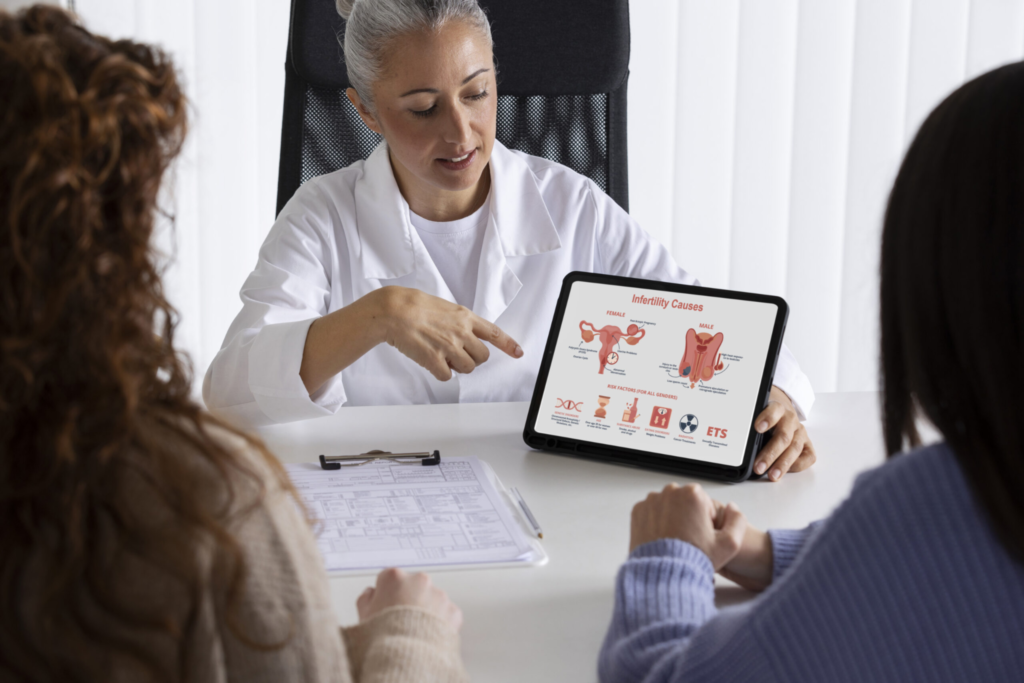
Uterine fibroids are one of the most common non-cancerous growths affecting women, especially during their reproductive years. While many fibroids do not cause noticeable symptoms, others can lead to heavy menstrual bleeding, pelvic discomfort, pressure, urinary problems, and fertility concerns. With advances in modern gynecological care, a wide range of uterine fibroid treatments are now available to help women manage symptoms, preserve their quality of life, and choose options that align with their personal health goals.
Effective fibroid management begins with understanding the condition, identifying symptoms early, and selecting the most appropriate treatment based on the size, location, and impact of the fibroids.
Understanding Uterine Fibroids
Uterine fibroids, also called leiomyomas or myomas, are benign tumors that develop from the muscle tissue of the uterus. They can vary greatly in size, ranging from very small growths that are difficult to detect to larger fibroids that can affect the shape and function of the uterus.
Fibroids may occur as a single growth or multiple growths. Their effects depend largely on where they develop within the uterus.
Types of Uterine Fibroids
Fibroids are commonly classified into four main types:
Intramural Fibroids
These develop within the muscular wall of the uterus and are among the most common types. They may cause heavy periods, pelvic pressure, and an enlarged uterus when they grow larger.
Submucosal Fibroids
These grow beneath the inner lining of the uterus and can extend into the uterine cavity. They are more likely to cause heavy menstrual bleeding and may affect fertility.
Subserosal Fibroids
These develop on the outer surface of the uterus. They often cause pressure symptoms, including discomfort in the pelvis or increased urinary frequency.
Pedunculated Fibroids
These fibroids grow on a stalk-like structure attached to the uterus. They may occur on the outer surface or inside the uterine cavity.
Common Symptoms of Uterine Fibroids
Some women with fibroids experience no symptoms, while others may have significant discomfort.
Common symptoms include:
- Heavy or prolonged menstrual bleeding
- Pelvic pain or pressure
- Abdominal bloating or enlargement
- Frequent urination due to pressure on the bladder
- Constipation caused by pressure on the bowel
- Pain during intercourse
- Lower back pain
- Difficulty becoming pregnant in some cases
Heavy menstrual bleeding caused by fibroids may also result in iron-deficiency anemia, leading to fatigue, weakness, and reduced energy levels.
Diagnosis Before Choosing Uterine Fibroid Treatments
Accurate diagnosis is essential for creating an effective treatment plan. A healthcare provider evaluates the patient’s symptoms, medical history, and reproductive goals before recommending treatment.
Pelvic Examination
A pelvic examination allows the doctor to assess changes in the size or shape of the uterus.
Ultrasound Imaging
Ultrasound is one of the most common tools used to identify fibroids. It helps determine:
- Fibroid size
- Number of fibroids
- Location within the uterus
Magnetic Resonance Imaging (MRI)
MRI provides detailed images of the uterus and surrounding tissues. It is especially useful when planning minimally invasive procedures.
Blood Tests
Blood tests may be performed to check for anemia caused by heavy menstrual bleeding.
Hysteroscopy
A hysteroscopy involves using a small camera to examine the inside of the uterus, particularly when fibroids are affecting the uterine cavity.
Different Uterine Fibroid Treatments
Treatment selection depends on several factors, including symptom severity, fibroid characteristics, age, and future pregnancy plans. Some women may require only monitoring, while others benefit from medical or procedural treatments.
Watchful Waiting and Monitoring
Women with small fibroids and mild or no symptoms may not need immediate treatment.
Regular monitoring may include:
- Routine checkups
- Imaging studies
- Tracking symptom changes
Fibroids often shrink naturally after menopause due to declining hormone levels.
Medication-Based Fibroid Management
Medications can help manage symptoms and improve quality of life, although they generally do not permanently remove fibroids.
Hormonal Medications
Hormonal treatments may help regulate menstrual bleeding and reduce symptoms associated with hormone-sensitive fibroid growth.
Options may include:
- Hormonal birth control
- Progesterone-based treatments
- Hormonal intrauterine devices in selected cases
Gonadotropin-Releasing Hormone (GnRH) Medications
GnRH medications temporarily reduce estrogen levels, which may shrink fibroids and decrease bleeding.
They may be used:
- Before surgery to reduce fibroid size
- To manage symptoms temporarily
- During the transition toward menopause
Anti-Inflammatory Medications
Non-steroidal anti-inflammatory medications may help reduce menstrual pain and discomfort associated with fibroids.
Minimally Invasive Uterine Fibroid Treatments
Modern medicine has introduced several minimally invasive options that provide symptom relief without traditional open surgery.
Uterine Fibroid Embolization (UFE)
Uterine fibroid embolization is a minimally invasive procedure that reduces blood flow to fibroids, causing them to shrink over time.
During the procedure, a specialist inserts a thin catheter into an artery and delivers small particles that block blood supply to the fibroid.
Benefits of UFE
- No large surgical incision
- Shorter recovery compared with major surgery
- Reduction in heavy menstrual bleeding
- Improvement in pelvic pressure symptoms
- Preservation of the uterus
UFE is an effective option for many women with symptomatic fibroids.
MRI-Guided Focused Ultrasound
This non-invasive treatment uses focused ultrasound energy to heat and destroy targeted fibroid tissue.
Advantages
- No surgical incision
- Minimal downtime
- Precise treatment targeting
- Faster return to daily activities
Suitability depends on fibroid size, number, and location.
Hysteroscopic Fibroid Removal
For fibroids located inside the uterine cavity, hysteroscopic removal may be recommended.
The procedure uses a small instrument inserted through the vagina and cervix to remove the fibroid without external incisions.
Benefits include:
- Short recovery period
- No abdominal incision
- Effective improvement of bleeding symptoms
Surgical Uterine Fibroid Treatments
In some situations, surgery may be the most appropriate option.
Myomectomy
Myomectomy removes fibroids while preserving the uterus.
It may be considered for women who:
- Want future pregnancy
- Have large or symptomatic fibroids
- Need removal of specific growths
Depending on the case, myomectomy can be performed through:
- Traditional open surgery
- Laparoscopic surgery
- Robotic-assisted techniques
Hysterectomy
A hysterectomy removes the uterus and permanently eliminates menstrual bleeding and fibroid recurrence.
It may be recommended for women who:
- Have severe symptoms
- Do not desire future pregnancies
- Have very large or multiple fibroids
Lifestyle Support for Fibroid Management
While lifestyle changes cannot eliminate fibroids, healthy habits may support overall reproductive health.
Maintain a Balanced Diet
A nutrient-rich diet containing fruits, vegetables, whole grains, and lean proteins supports general wellness.
Iron-rich foods may be especially important for women experiencing heavy menstrual bleeding.
Exercise Regularly
Regular physical activity supports healthy weight management and may help improve overall hormonal balance.
Manage Stress
Stress management through relaxation techniques, adequate sleep, and mindfulness practices may support overall health.
Maintain a Healthy Weight
Healthy weight management may help reduce hormonal factors associated with fibroid development.
Choosing the Right Fibroid Treatment Approach
The best treatment depends on each woman’s individual situation.
Important considerations include:
- Severity of symptoms
- Fibroid size and location
- Age
- Fertility goals
- Overall health
- Personal treatment preferences
A gynecologist or fibroid specialist can explain available options and help create a treatment plan that balances effectiveness, safety, and long-term goals.
When Should You Seek Medical Advice?
Women should consult a healthcare provider if they experience:
- Very heavy menstrual bleeding
- Periods lasting longer than seven days
- Severe pelvic pain
- Rapid abdominal enlargement
- Difficulty becoming pregnant
- Symptoms of anemia
- Increasing urinary or bowel pressure
Early evaluation allows more treatment choices and helps prevent complications.
Frequently Asked Questions
Can uterine fibroids disappear without treatment?
Small fibroids may remain stable or shrink after menopause, but symptomatic fibroids often require medical management.
Are fibroid treatments able to preserve fertility?
Some treatments, such as certain types of myomectomy, are designed to preserve fertility. Women planning pregnancy should discuss their goals before selecting treatment.
Is surgery the only solution for fibroids?
No. Many women successfully manage fibroids through medications and minimally invasive treatments.
How long does recovery take after fibroid treatment?
Recovery depends on the treatment method. Minimally invasive procedures usually involve shorter recovery periods compared with traditional surgery.
Conclusion
Uterine fibroids can affect menstrual health, comfort, fertility, and overall quality of life, but modern medical advances provide many effective solutions. From monitoring and medication to minimally invasive procedures and surgical options, uterine fibroid treatments can be personalized according to each woman’s symptoms and health goals.
The most effective fibroid management begins with proper diagnosis and expert medical guidance. By understanding available treatment choices and seeking timely care, women can achieve better symptom control, improved daily comfort, and long-term reproductive health support.