
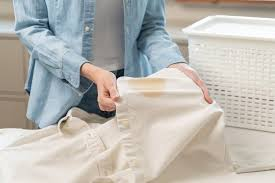
Doing your laundry can be easy most of the time. But things feel different when you find one of your favorite shirts stained with grease or grass. Many household detergents are good for washing off basic dirt on clothes. They have cleaning tools known as surfactants. These help break the water tension, so dirt comes off quicker. But these cleaners do not always do well when up against tough stains, which can stick deep in the fabric.
There are more effective means of removing these stains. Special products containing Enzymes for Stains will help you reconsider your washing methods. The effect of such enzymes on your clothes is that they will decompose stains on the molecular level. In such a way, stains will be removed easily without any harm to your favorite garments.
1. Cellular Cleaners: Why Standard Detergent Isn’t Enough
The ordinary soap that people use to clean their clothes is very effective when it comes to dealing with normal dust, mud, and minor body oils. This type of soap will stick to the dirt particles and will keep them suspended in the water so that one is able to wash them away. However, there are many stains that may not be easy to remove.
Substances like blood and baby milk stick to the threads of a fabric in a strong way. The cleaning agents in regular detergents are not able to break up these big stains. So, they just move over them without really cleaning. This keeps the dark marks deep in your clothes and makes your clothes look like they will never be fully clean again.
2. Breaking Down the Grid: How Different Varieties Work
Enzymes are special tools that the body uses. People in science often say they work like a key that fits one lock. A good laundry formula will usually mix a few kinds of enzymes. This is to fight different kinds of stains.
- Proteases: These go after protein stains like sweat and blood. They will split them into smaller parts, and thus, they will easily wash away.
- Lipases: These work on fats and oils. They clean things like butter and oily makeup.
- Amylases: These break down starch stains from foods like gravy and chocolate.
- Cellulases: These work on cotton fibers. They help to make fabric feel smooth and stop pilling.
3. The Activation Zone: Getting the Right Temperature
To get the most from these helpers, you should give them the best washing settings. They are not like strong chemical bleaches or tough man-made cleaners. These biological elements need the right water temperature to work well.
Hot water would more than likely cause harm to the enzyme, rendering it inactive. That being the case, it would be most appropriate to soak your garments in tepid water ranging between 90 and 110 F if the garment is heavily stained, allowing for a period of 30 to 60 minutes soaking to help remove all stain particles before washing.
4. Saving Energy and Preserving Your Wardrobe
Many people now wash clothes in cold water. This helps to lower the household cost and keep delicate clothes safe from heat. The good news is that there are new boosters made with science to work well in cold water. These make it easier to get stains out without hot water.
It’s also possible for cellulase enzyme added garments to last a lifetime. That is because cellulase enzymes strip away tiny hairs that cling to clothes over the course of their life, which reduces pilling and can even restore the color to dull garments naturally.
Conclusion
The regular washing soaps have sufficient capability for cleaning purposes, but they are not capable of dealing with the deep stains. By adding modern biological components to them, you will form an intelligent system that can target problematic areas during the process of washing. These natural boosters pull out the hardest dirt while keeping your fabric safe. You can also save money by washing in cold water. Using the power of Enzymes for Laundry gives you a new and safer way to wash your clothes, take out deep smells, and help keep your whole wardrobe looking great for many years.