
Anyone who pushes hard in the gym knows that familiar ache settling into your muscles the next morning. That deep soreness in your legs after a heavy squat session or the tightness across your back after deadlifts can sideline even the most dedicated athletes for days. While post-workout recovery has traditionally meant rest, ice, or foam rolling, a new wave of technology is changing how fitness enthusiasts bounce back faster.
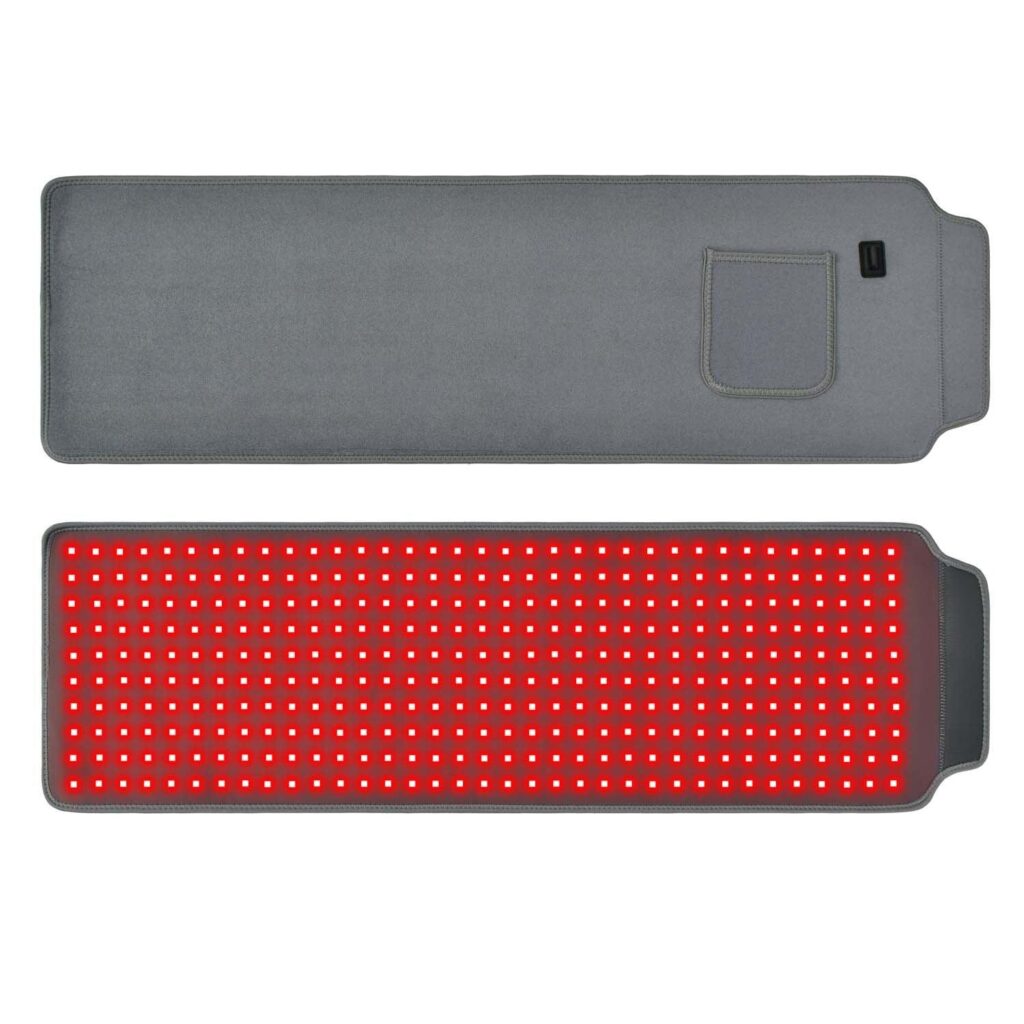
Red light therapy has moved from clinical settings into everyday wellness routines, gaining serious traction among athletes and trainers looking for a science-backed edge. And now, with the emergence of the LED light belt, that same therapeutic power is available in a wearable, on-the-go format. But does it actually work? Can wrapping a light-emitting device around your sore muscles genuinely accelerate muscle recovery and deliver meaningful pain relief?
This article digs into the science behind red light therapy, explores how a wearable LED light belt functions, and gives you a practical roadmap for incorporating it into your fitness routine. Whether you’re a weekend warrior or a competitive athlete, understanding this technology could be the key to spending less time recovering and more time performing.
The Science of Red Light Therapy for Muscle Recovery
Red light therapy works by delivering specific wavelengths of light, typically between 630 and 850 nanometers, directly into muscle tissue. Unlike ultraviolet light, these wavelengths pass through the skin without causing damage. Instead, they penetrate several centimeters deep, where they interact with mitochondria, the energy-producing structures inside your cells. This interaction stimulates the production of adenosine triphosphate, or ATP, which is essentially the fuel your muscles need to repair and regenerate after intense exercise.
The cellular boost triggered by red light therapy has a direct impact on inflammation, which is one of the primary causes of post-workout soreness. When muscle fibers experience micro-tears during training, your body responds with an inflammatory process that, while necessary for rebuilding, can be painful and slow. Research published in journals like the Journal of Athletic Training and Lasers in Medical Science has found that red light therapy significantly reduces markers of inflammation and oxidative stress in muscle tissue, helping the recovery process move along more efficiently.
Beyond inflammation reduction, studies have also documented measurable improvements in pain relief. A 2016 meta-analysis reviewing multiple clinical trials concluded that red and near-infrared light therapy reduced muscle soreness and improved recovery time in athletes across various sports disciplines. For fitness enthusiasts who train regularly, this translates into a shorter gap between sessions and reduced reliance on over-the-counter pain medications. The evidence positions red light therapy not as a fringe wellness trend, but as a clinically supported tool for anyone serious about optimizing their muscle recovery and athletic performance.
How LED Light Belts Work as a Wearable Therapy Solution
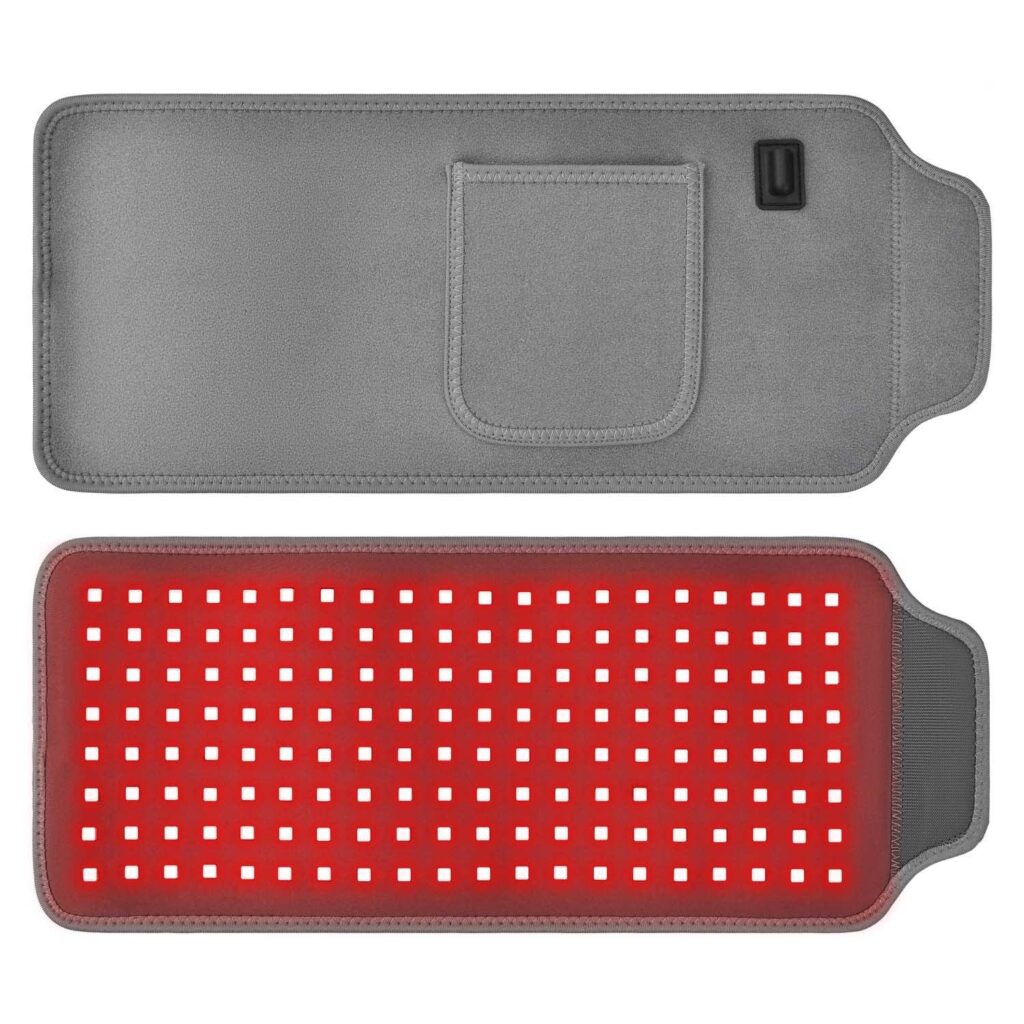
A LED light belt takes the core principles of red light therapy and packages them into a flexible, body-conforming device you can wear during daily activities or directly after training. The belt typically features an array of red and near-infrared LEDs embedded into a soft, adjustable wrap that can be secured around targeted areas like your lower back, thighs, calves, or shoulders. Rather than requiring you to sit in front of a stationary light panel, the belt brings the therapy directly to the muscle group that needs it most.
What makes this format particularly effective is the direct skin contact. The LEDs sit flush against your body, minimizing light scatter and maximizing penetration depth into underlying muscle tissue. Most quality belts — from established red light therapy brands like YouLumi to newer entrants in the space — allow you to adjust intensity levels, letting you dial in the right output for either a gentle maintenance session or a more intensive recovery treatment after a particularly demanding workout. This level of control puts therapeutic precision in your hands without needing clinical supervision.
Compared to traditional recovery methods, the LED light belt offers a distinct advantage in convenience. Ice baths require preparation and tolerance for discomfort. Massage therapy demands scheduling and cost. Foam rolling, while accessible, only addresses surface-level tension. A wearable LED belt, by contrast, works passively while you read, rest, or go about your day, requiring no additional effort once it’s in place. For active individuals juggling training schedules with work and personal commitments, that combination of portability, targeted application, and hands-free operation makes it a genuinely practical addition to any recovery strategy.
Step-by-Step Guide to Using LED Light Belts for Accelerated Recovery and Pain Relief
Step 1: Assessing Your Recovery Needs After Exercise
Before strapping on your belt, take a few minutes to identify which muscle groups are actually asking for attention. Run through a simple body scan immediately after training or the following morning when delayed onset muscle soreness typically peaks. Press gently along your quads, hamstrings, calves, lower back, or shoulders and note where you find tenderness or tightness. Heavy leg day? Your focus is the thighs and calves. A pulling session? Prioritize your upper and lower back. Being specific about your target area ensures the belt delivers light where it genuinely matters rather than applying it arbitrarily.
Step 2: Setting Up Your LED Light Belt for Optimal Results
Proper placement dramatically affects how much benefit you get from each session. Position the belt so the LED panel sits flush against bare skin over the sore muscle group, with no clothing barrier between the light and your body. Secure the adjustable straps firmly enough to maintain contact without cutting circulation. For intensity settings, start at a moderate level if you’re new to the therapy, then work up to higher output as your body adapts. Most belts offer a red-only mode for surface-level soreness and a combined red and near-infrared mode for deeper muscle tissue. Choose accordingly based on how deep the discomfort feels. A 10 to 20-minute session is the standard therapeutic window for most recovery applications.
Step 3: Integrating Sessions into Your Fitness Routine
Timing matters more than most people realize. Using your LED light belt within 30 to 60 minutes after training capitalizes on the body’s natural inflammatory response, helping to moderate it before soreness fully sets in. For rest days, a single 15-minute session on your most worked muscle groups supports ongoing tissue repair. Aim for consistency over intensity — five to six sessions per week yields better long-term muscle recovery results than sporadic heavy use. Keep a simple training log noting soreness levels before and after sessions so you can track your progress and adjust frequency as your recovery improves.
Benefits and Advantages of LED Light Belts for Fitness Enthusiasts
The most immediate benefit fitness enthusiasts notice is reduced downtime between training sessions. When muscle recovery accelerates at the cellular level, you’re not forced to skip workouts or train through lingering soreness. Instead, your body rebuilds faster, allowing you to maintain training frequency without accumulating fatigue over weeks. For competitive athletes or anyone following a structured program, that consistency compounds into measurable performance gains over time.
On the pain relief front, LED light belts offer something that most recovery tools can’t match: non-invasive, drug-free relief that addresses the source of discomfort rather than masking it. Ice baths temporarily numb pain but can actually blunt the adaptive response your muscles need to grow stronger. Massage therapy eases tension effectively but becomes expensive and logistically difficult to schedule consistently. The LED light belt works differently by supporting your body’s natural repair mechanisms, making recovery more efficient rather than interrupting it.
Portability seals the deal for most active users. You can pack a LED light belt in your gym bag, use it during a commute, or run a session while watching film or reviewing your training notes. That flexibility removes the friction that causes most recovery habits to break down. For anyone serious about sustained athletic performance, this combination of targeted pain relief, cellular muscle recovery support, and real-world convenience makes the LED light belt a standout tool in any recovery arsenal.
Tips for Maximizing the Effectiveness of Your LED Light Belt
Consistency is the single most important factor in getting lasting results from your LED light belt. Sporadic use produces minimal long-term benefit, while regular sessions allow the cellular effects to build cumulatively over time. Treat it like any other component of your training — scheduled, intentional, and non-negotiable on heavy workout days.
Nutrition and hydration play a surprisingly direct role in how well the therapy performs. Red light therapy accelerates cellular repair, but that repair still requires raw materials. Prioritize protein intake within the recovery window and stay well-hydrated, since dehydrated tissue responds less efficiently to light penetration. Pairing sessions with quality sleep amplifies results further, as the body’s primary repair processes peak overnight. Some athletes also broaden their red light therapy routine beyond body recovery, incorporating dedicated facial devices — the YouLumi red light therapy mask, for instance, is one option users have added for skin-level recovery after extended outdoor training exposure.
The most common mistake users make is applying the belt over clothing or moving too quickly between muscle groups in a single session. Focus on one area per treatment for the full duration rather than rushing across multiple zones. Staying consistent, fueling your body properly, and applying the belt with intention will compound into noticeably better muscle recovery over the long run.
LED Light Belts: A Practical Path to Faster Muscle Recovery
Red light therapy has earned its place in evidence-based recovery, and the LED light belt makes that science genuinely accessible for everyday athletes. By delivering targeted wavelengths directly to fatigued muscle tissue, it accelerates cellular repair, reduces inflammation, and provides meaningful pain relief without drugs, downtime, or complicated protocols. What was once confined to clinical settings now fits around your waist during a rest day on the couch.
The advantages for fitness enthusiasts are straightforward: fewer days lost to soreness, more consistent training, and a recovery tool that works around your schedule rather than demanding one of its own. Whether you’re managing chronic tightness in your lower back, bouncing back from a hard leg session, or simply trying to maintain training intensity through a demanding program, the LED light belt addresses those needs directly and practically.
If you’ve been relying solely on rest and over-the-counter remedies to manage post-workout soreness, it’s worth adding a smarter option to your toolkit. Start with targeted sessions on your most worked muscle groups, stay consistent, and let the cumulative cellular benefits do their job. Your recovery doesn’t have to be something you just endure — with the right tools, it becomes an active part of getting stronger.