

You’re standing in the driveway, staring at chipped, sun-faded siding when three contractor quotes are left unread in your inbox. That’s the moment when all the house painting projects stall out, and you are flooded with questions like:
Whom to call?
Which company is reliable and guarantees a long-lasting effect?
The good news is that the painting of the house can last, and neither is it about luck nor is it about the mythical best painter in town. It all boils down to five things you can assess yourself before your wall is painted. If skipped, even high-quality paint can peel within two years.
Hence, the following are the points you should make sure to check first before signing anything.
1. Prep Work Determines How Long Your Paint Job Lasts
Any decent house painting crew agrees to the same fact: it is the easiest part of the job to paint. Preparation – washing, scraping, sanding, patching, and priming is what really determines whether your new coating is going to last five years or fifteen years.
The most frequent cause of paint peeling, blisters, or premature fading is skipping. Clean surfaces allow the paint to bond as it is intended to bond, and the primer covers the patched or bare areas, so they do not bleed later. Thus, consider not just the bottom-line price, but the estimate itself.
If it skips the wash and moves straight to paint without a scrape, sand, or priming line item, that’s worth inquiring about, as it eventually becomes evident on your walls in one or two years.
2. Timing and Weather Change the Outcome
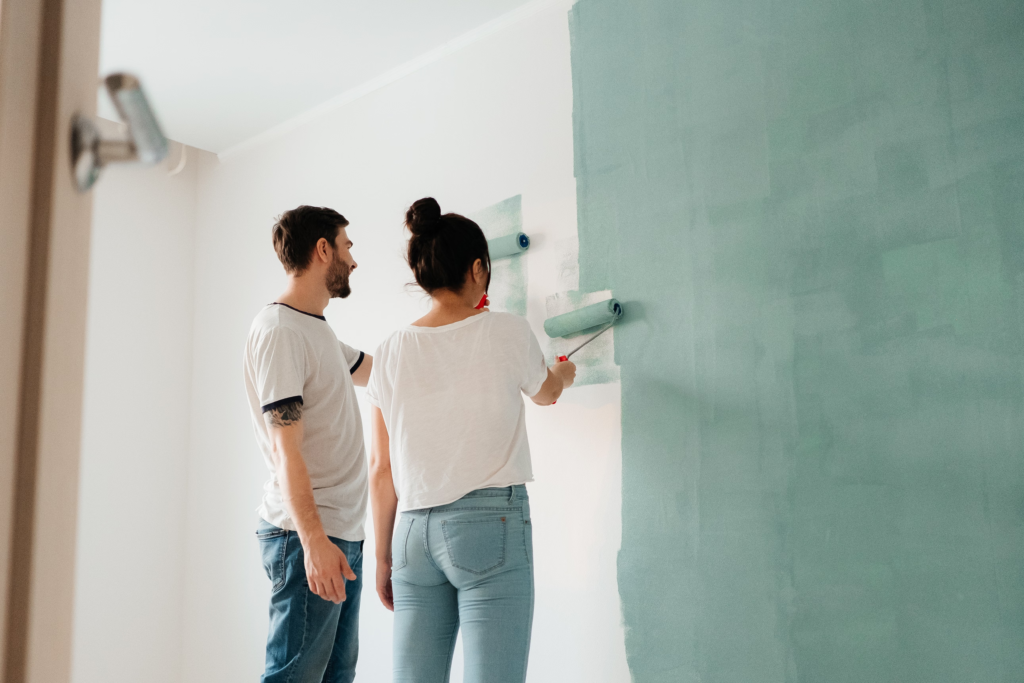
The paint does not dry in all seasons the same way, and that is why time is as important as the technique is. Most exterior house paints require stable temperatures and moderate humidity to bond. If it is too cold, then the film won’t form; if it is too hot, then the surface skins before it can stick itself on the surface beneath.
This is particularly true in higher altitudes where the sun is very strong, and day-to-night temperatures fluctuate sharply, causing an additional strain on a fresh coat.
Instead of trying to fit a project into the weekend that just happened to be free, schedule based on a period of dry, clear days and avoid rain.
3. Paint Quality and VOC Content Affect More Than Looks
Not every paint can is the same, and it is not merely a matter of price or finish.
Volatile organic compounds, or VOCs, are compounds that are released in the air as the paint dries, and levels of most VOCs indoors are always higher than outdoors, often up to ten times higher, as per the EPA.
This is most important in interior house painting, where there is naturally less ventilation than outside. Opening a window, using low- or zero-VOC formulas, and letting freshly painted rooms air out over a few days is a low-tech method of preserving indoor air quality without affecting long-lasting color or finish.
4. Lead Paint Testing Isn’t Optional in Older Homes

In case your house was constructed prior to 1978, this step is not an option; it is a federal law for any paid house painting or renovation job.
The EPA Renovation, Repair and Painting Rule specifies that the contractor who disturbs a painted surface in a pre-1978 house must be lead-safe certified. This is so because scraping or sanding of old layers of paint can result in the release of lead dust that poses actual danger to occupants and property.
Demand to view the certification of a person who has been hired to work in an older home beforehand.
Even a well-established painting company doesn’t shy away from testing it, and a fast, EPA-approved test kit can prove in just a few minutes whether there is lead paint on the surfaces you are about to touch or not.
5. Choosing the Right Painter Impacts Resale Value
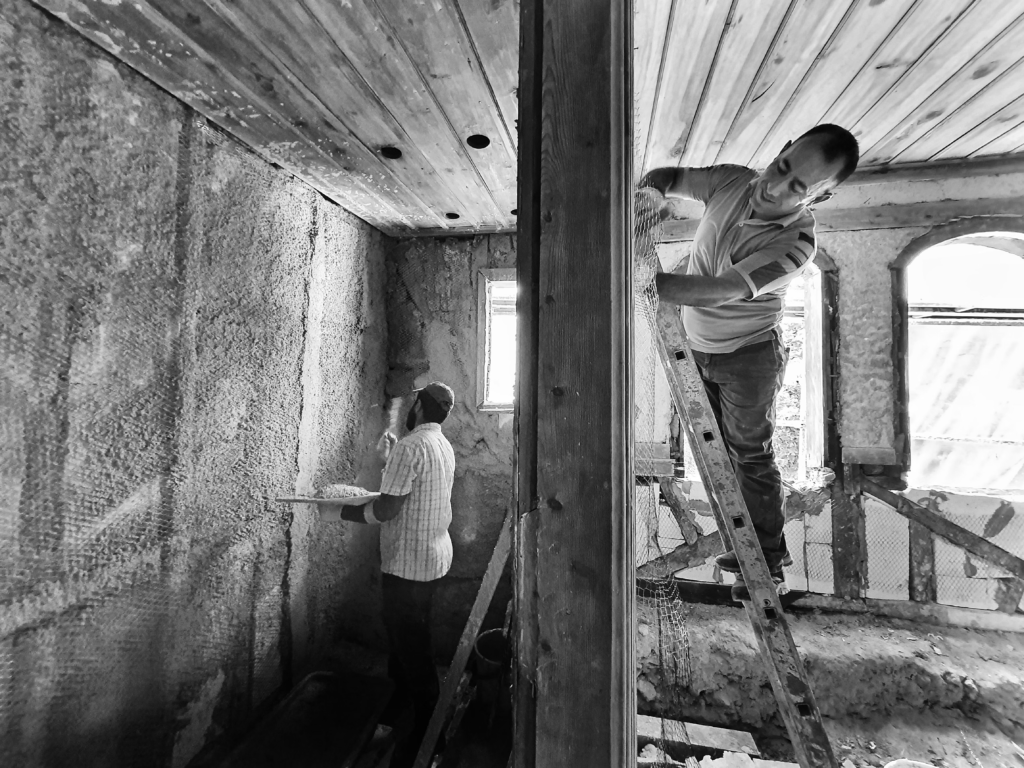
Although you may not be thinking about selling at this time, one of the projects that real estate professionals recommend most frequently before a home goes on the market is painting.
The National Association of Realtors’ 2025 Remodeling Impact Report found that half of surveyed Realtors suggest painting the entire home prior to listing, with 41% suggesting painting at least one room indoors.
Such unanimity does not occur by chance; a clean, well-done paint job is one of the few things that customers feel about the minute they enter the door.
That’s why it’s important to hire the right crew and not the lowest bidder, as it would ultimately be converted to real dollars at resale.
Conclusion
There are more moving pieces to a house painting project than most homeowners would care to walk into: planning, weather, quality of the paint, lead safety, and the crew you employ. The encouraging aspect of all these five factors is that none of them involves any kind of special knowledge on the part of the individual doing it, only the desire to pose the correct questions prior to the commencement of the work.
Hence, ask them, imply it, and just see your house looking sharp for years because this additional hour of estimation vetting is a lot less expensive than repainting early.