
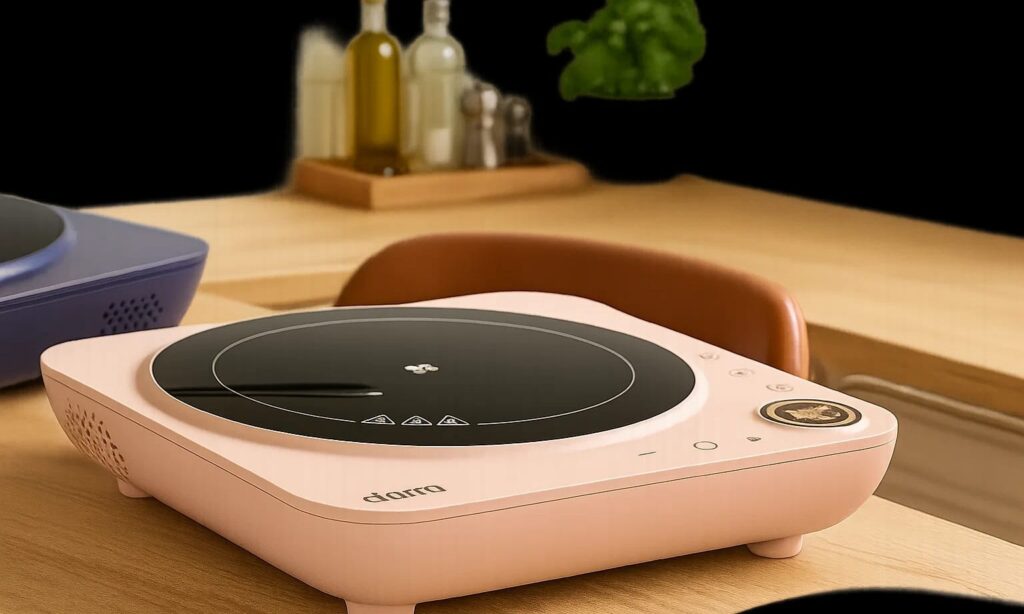
Cooking habits are changing as living spaces become smaller and lifestyles more flexible. Many households now look for appliances that offer control, safety, and ease of use without taking up permanent space. A portable induction cooktop meets these needs by providing fast, precise cooking in a compact form.
What Is a Portable Induction Cooktop?
A portable induction cooktop is a small, plug-in cooking appliance that uses electromagnetic energy to heat cookware directly. Instead of heating the surface, the cooktop creates a magnetic field that heats the pot or pan itself.
Because heat is generated inside the cookware, cooking is faster and more controlled. The surface stays cooler compared to gas or electric burners, which improves safety and reduces wasted heat.
You can view a complete range of portable induction cooktop models here:
Why Portable Induction Cooktops Are Gaining Attention
Several factors are driving interest in portable induction cooking.
- Smaller kitchens in urban homes
- Increased focus on energy use
- Need for flexible cooking options
- Preference for cleaner cooking surfaces
Unlike traditional stoves, a portable induction cooktop can be stored when not in use. This makes it a practical choice for people who value both function and space.
How a Portable Induction Cooktop Works
Induction cooking relies on magnetic energy. When compatible cookware is placed on the cooktop, an electric current passes through a copper coil beneath the surface. This creates a magnetic field that causes the cookware to heat.
Key points to understand:
- The cooktop surface stays relatively cool
- Heat is produced only when cookware is present
- Temperature changes respond quickly
This process allows for steady heat control and efficient cooking.
Key Benefits of a Portable Induction Cooktop
Fast Cooking Performance
Induction cooktops heat cookware quickly, which reduces cooking time. Water boils faster, and temperature adjustments take effect almost instantly.
Energy Efficiency
Because heat is created directly in the cookware, less energy is wasted. This makes portable induction cooktops more efficient than many traditional electric options.
Improved Safety
Safety is a major advantage.
- No open flame
- Surface cools quickly after use
- Automatic shut-off when cookware is removed
These features are helpful for homes with children or shared living spaces.
Easy Cleaning
Spills do not burn onto the surface since it stays cooler. A quick wipe after cooking is usually enough to keep it clean.
Portability and Storage
A portable induction cooktop can be moved easily and stored in a cabinet. This is ideal for:
- Small apartments
- Dorm rooms
- Office kitchens
- Temporary cooking setups
Cookware Requirements
Not all cookware works with induction cooking. Compatible cookware must contain magnetic material.
Common induction-ready materials include:
- Cast iron
- Magnetic stainless steel
Cookware made of aluminum, glass, or copper will not work unless it has an induction-compatible base.
A simple test is to place a magnet on the bottom of the pan. If it sticks, the cookware should work.
Common Challenges and Limitations
Cookware Compatibility
Some users need to replace existing pots and pans. This can add to the initial cost.
Power Requirements
Portable induction cooktops require a standard electrical outlet. Using them on weak circuits may limit performance.
Learning Curve
Induction cooking reacts quickly to temperature changes. New users may need time to adjust cooking habits.
Limited Cooking Area
Most portable models have one or two burners. This may not suit large meal preparation but works well for daily cooking needs.
Portable Induction Cooktop vs Traditional Cooking Methods
Compared to Gas Stoves
- No flame or gas connection required
- Lower surface heat
- Easier cleanup
Compared to Electric Coil Stoves
- Faster heating
- Better temperature control
- Less wasted energy
For many users, portability and control make induction cooktops a practical option.
The Role of Ventilation in Induction Cooking
Even though induction cooking produces less heat and smoke, proper ventilation still matters. Cooking oils, steam, and food odors can build up over time.
A good range hood helps remove moisture and odors from the kitchen, improving air quality and comfort.
Pairing a portable induction cooktop with proper ventilation supports a cleaner cooking space.
Current Trends in Portable Induction Cooktops
Compact and Slim Designs
Manufacturers are focusing on slim profiles that fit easily on countertops and store neatly when not in use.
Digital Controls
Touch panels and digital displays allow users to adjust heat levels with accuracy.
Preset Cooking Modes
Many models include presets for boiling, simmering, and frying, helping users maintain consistent results.
Improved Safety Features
Automatic shut-off and overheat protection are now standard in many units.
Who Should Consider a Portable Induction Cooktop?
This appliance works well for many types of users.
- Apartment residents with limited space
- Renters who cannot modify kitchens
- Students living in dorms
- Home cooks needing an extra burner
- Office break rooms
Its flexibility makes it suitable for both full-time and occasional use.
Installation and Setup
One of the biggest advantages is ease of setup.
Steps usually include:
- Place the cooktop on a flat surface
- Plug into a standard outlet
- Use compatible cookware
No permanent installation or special tools are needed.
Maintenance and Care Tips
Keeping a portable induction cooktop in good condition is simple.
- Wipe the surface after each use
- Avoid dragging cookware to prevent scratches
- Keep vents clear of dust
- Store in a dry place
Regular care helps maintain performance and appearance.
Choosing the Right Portable Induction Cooktop
Before buying, consider the following:
- Available counter space
- Power output levels
- Control type
- Safety features
- Warranty coverage
Reviewing multiple portable induction cooktop options can help match features with your cooking needs.
Final Thoughts
A portable induction cooktop offers a practical solution for modern kitchens that value control, safety, and flexibility. It supports fast cooking, easy cleanup, and efficient energy use, all within a compact design.