
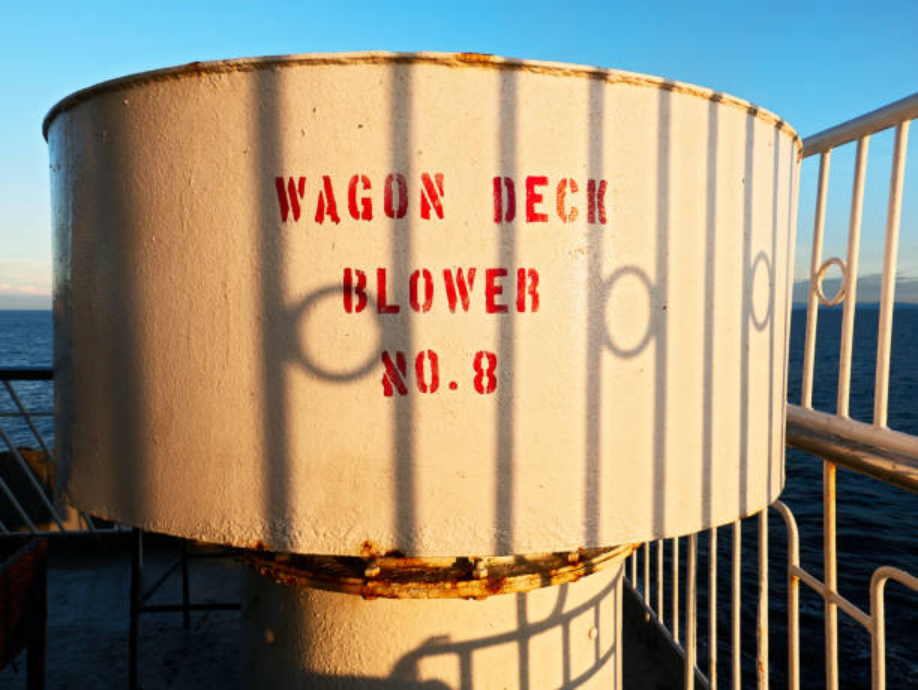
A blower fan for boat is a critical component of any marine ventilation system, designed to maintain safe airflow in enclosed onboard spaces. Boats operate in confined environments where heat, fuel vapors, and exhaust gases can quickly accumulate. Without proper ventilation, these conditions can compromise safety, reduce engine efficiency, and negatively impact passenger comfort. Blower fans actively move air in and out of key areas, ensuring continuous circulation and a safer onboard environment.
From small recreational boats to luxury yachts and commercial vessels, blower fans are widely used to support safe engine operation, comply with marine safety regulations, and improve overall vessel performance. Their importance extends beyond comfort, playing a vital role in fire prevention and long-term equipment reliability.
What Is a Blower Fan for Boats?
A blower fan is a mechanical ventilation device specifically engineered for marine use, designed to extract hot air, fuel fumes, and harmful gases from enclosed compartments while introducing fresh air. These fans are commonly installed in engine rooms, bilges, battery compartments, and fuel storage areas where natural airflow is limited.
Unlike household or industrial fans, marine blower fans are built to withstand moisture, salt exposure, vibration, and continuous operation. They are also ignition-protected, meaning they can safely operate in areas where flammable vapors may be present, making them an essential safety feature on any boat.
Importance of Blower Fans in Marine Applications
Safety and Fume Removal
One of the most critical functions of a blower fan is the removal of hazardous fuel vapors, particularly gasoline fumes, which are heavier than air and tend to settle in low areas such as bilges. If left unventilated, these vapors can create a serious risk of fire or explosion when the engine is started.
Blower fans help eliminate this risk by actively extracting fumes before and during engine operation. Many marine safety guidelines recommend running blower fans prior to startup to ensure a safe environment, making them a first line of defense against onboard accidents.
Engine Room Ventilation
Marine engines generate significant heat, especially during extended operation or high-load conditions. Without proper ventilation, excessive heat can build up in the engine compartment, leading to reduced engine efficiency, higher fuel consumption, and potential mechanical failure.
Blower fans help regulate engine room temperatures by expelling hot air and drawing in cooler outside air. This controlled airflow supports optimal engine performance, prolongs component lifespan, and reduces the likelihood of overheating-related damage.
Improved Air Quality
Beyond safety and performance, blower fans contribute to better onboard air quality. By removing stale air, odors, and exhaust fumes, they create a more comfortable environment for crew and passengers. This is particularly important in enclosed cabins and living spaces located near machinery compartments.
Types of Blower Fans for Boats
Inline Blower Fans
Inline blower fans are compact units installed directly within ventilation ducting. They are highly efficient at moving air through confined spaces and are commonly used for engine rooms and bilge ventilation. Their simple design allows for easy installation and replacement, making them a popular choice for both new builds and refits.
Centrifugal Blower Fans
Centrifugal blower fans use a rotating impeller to move air at higher pressure, making them ideal for larger boats or systems with longer or more complex duct runs. These fans are capable of overcoming airflow resistance caused by bends, filters, or silencers, ensuring consistent ventilation even in demanding layouts.
Axial Blower Fans
Axial blower fans move air in a straight-line direction and are typically used where airflow resistance is minimal. They are often employed for general ventilation in open or semi-enclosed areas and are valued for their simplicity, efficiency, and quiet operation.
Key Features of Marine Blower Fans
Ignition-Protected Design
Marine blower fans are designed to operate safely in fuel-rich environments. Ignition-protected motors prevent sparks that could ignite flammable vapors, making them suitable for installation in engine rooms and fuel compartments. This feature is essential for compliance with marine safety standards.
Corrosion-Resistant Materials
Exposure to saltwater, humidity, and temperature fluctuations can quickly degrade standard materials. High-quality marine blower fans are constructed using corrosion-resistant plastics, stainless steel shafts, sealed bearings, and protected electrical components to ensure long-term durability.
Quiet and Efficient Operation
Modern blower fans are engineered to deliver high airflow while minimizing noise and vibration. This is especially important on yachts and recreational boats, where comfort is a priority. Efficient motor design also reduces power consumption, supporting overall energy efficiency.
Installation Considerations
Proper Placement
Correct placement of blower fans is essential for effective ventilation. Fans should be positioned where fumes and heat naturally accumulate, such as the lowest points in engine rooms or bilges. Strategic placement ensures maximum removal of hazardous gases and hot air.
Ducting and Airflow
Well-designed ducting enhances blower fan performance by reducing airflow resistance and ensuring smooth air movement. Proper duct size, length, and routing play a crucial role in achieving optimal ventilation efficiency.
Electrical Compatibility
Blower fans must be compatible with the vessel’s electrical system, typically operating on 12V or 24V DC power. Proper wiring, circuit protection, and compliance with marine electrical standards are essential for safe and reliable operation.
Maintenance and Care
Regular Inspection
Routine inspections help identify issues such as debris buildup, corrosion, or electrical wear before they lead to failure. Checking blower fans as part of regular maintenance ensures consistent performance and safety.
Cleaning and Replacement
Over time, dust, oil residue, and moisture can reduce blower fan efficiency. Periodic cleaning restores airflow, while timely replacement of worn units prevents unexpected ventilation loss and potential safety hazards.
Applications of Blower Fans on Boats
Blower fans are used across various onboard systems, including engine rooms, bilges, battery compartments, fuel lockers, and enclosed cabins. Each application requires careful selection of airflow capacity, safety rating, and durability to match operating conditions.
Benefits of a High-Quality Blower Fan
Investing in a high-quality marine blower fan delivers multiple benefits, including improved safety, enhanced engine performance, reduced risk of fire or explosion, better onboard comfort, and compliance with marine safety regulations. Reliable ventilation also extends the lifespan of engines and electrical equipment.
Conclusion
A blower fan for boats is an essential safety and performance component that ensures proper ventilation in critical onboard spaces. By removing hazardous fumes, controlling heat, and improving air quality, blower fans contribute to safer, more efficient, and more comfortable marine operations.
If you are looking for reliable, efficient, and marine-certified blower fans for your vessel, contact us today. Our team of marine ventilation specialists is ready to provide expert advice and tailored solutions to meet your specific boating requirements.