
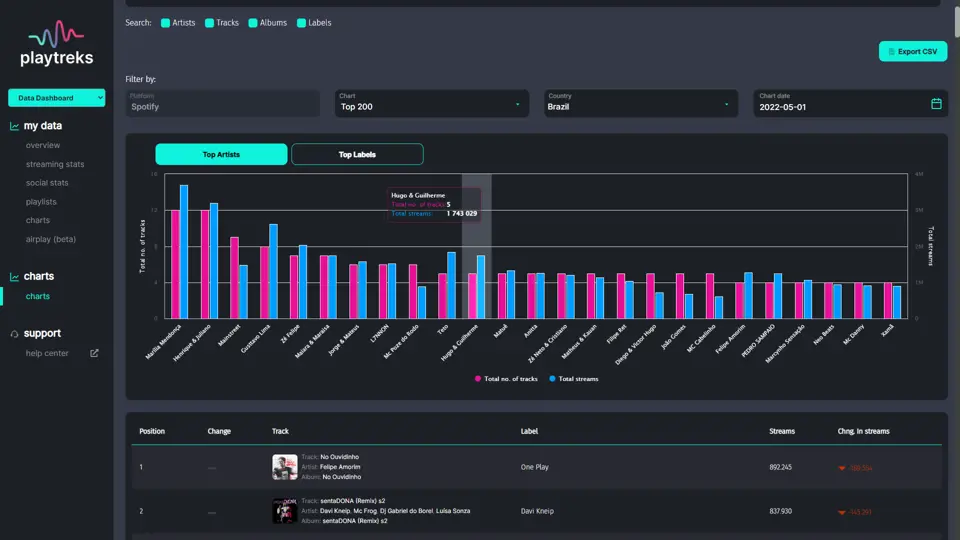
)
In today’s rapidly evolving music landscape, data has become a powerful tool for artists, labels, and managers seeking to navigate the complexities of audience engagement and revenue growth. Music24 delivers music analytics solutions that empower these stakeholders to make informed decisions by interpreting diverse data streams across platforms. With the right analytics tools, music professionals can strengthen marketing strategies, gain deeper insights into fan behavior, and adapt to changing industry trends. This article explores the world of music analytics, highlighting its capabilities, benefits, and the future opportunities platforms like Music24 bring to the industry.
Understanding Music Analytics
Importance of Data-Driven Decisions in the Music Industry
Data has transformed how decisions are made across numerous sectors, and the music industry is no exception. Artists and their teams now face the challenge of understanding complex data sets to enhance their careers and improve their bottom lines.
Music analytics enables stakeholders to make data-driven decisions that can significantly influence artist development, marketing strategies, and distribution efforts. By analyzing listener demographics, streaming behaviors, and social media interactions, they can tailor their approaches to maximize reach and engagement. As the industry moves toward a more audience-centric model, harnessing the power of analytics has become crucial for sustained success.
Types of Music Analytics Solutions
Artist-Centric Analytics Tools
For individual artists, analytics tools offer insights into their specific fanbase. These platforms can provide data on streaming numbers, audience demographics, and social media engagement, giving artists the intelligence needed to tailor their content and marketing efforts effectively.
Tools such as these can help artists pinpoint their most significant markets, understand shifting trends, and identify the best times for releasing new music or launching promotional campaigns.
Label and Manager Solutions
Labels and managers require more extensive analytics solutions that encompass multiple artists and broader market trends. These platforms can help them evaluate the performance of their entire roster, analyze competitive positioning, and allocate resources more strategically. By leveraging these insights, labels can streamline their campaigns, track overall effectiveness, and identify potential areas for investment.
Key Features to Look For in Music Analytics Platforms
Real-Time Data Tracking
Real-time data tracking is essential for understanding current market dynamics. Stakeholders can respond swiftly to emerging trends, ensuring they remain relevant and competitive.
Audience Insights and Engagement Metrics
Platforms that provide detailed audience insights, including listener demographics, geographic data, and engagement frequency, are invaluable. This information allows artists and their teams to nurture relationships with fans and tailor content accordingly.
Integration with Streaming Services and Social Media
The ability to integrate with streaming services and social media platforms enables a comprehensive view of audience interactions and behaviors. These integrations can streamline data collection efforts and present a unified view of an artist’s or label’s performance across channels.
Benefits of Using Music Analytics Solutions
Enhanced Marketing Strategies
Utilizing music analytics solutions leads to enhanced marketing strategies. By basing campaigns on solid data, stakeholders can reduce trial and error, focusing instead on what truly resonates with their audience. This approach not only maximizes engagement but also optimizes marketing investments.
Improved Revenue Streams
Understanding listeners’ preferences can open new revenue streams. Artists and labels can leverage data to identify potential merchandise opportunities, plan concert tours in high-demand areas, or collaborate with brands that align with their audience’s interests.
Case Studies of Successful Implementation
How Artists and Labels Have Leveraged Analytics
Several artists and labels have effectively integrated analytics into their operational playbook, leading to measurable success. For instance, by analyzing streaming data, an indie artist identified their most engaged markets and concentrated their promotional efforts there. As a result, they experienced a significant increase in concert ticket sales and merchandise revenue.
Labels, too, have seen tangible benefits. One prominent label attributed a successful album launch to insights gained from audience analytics, which guided their marketing strategies and release timing. By aligning their efforts with listener data, they improved engagement rates and, eventually, sales.
Lessons Learned from Analytics Application
As the use of analytics becomes more prevalent in the music industry, certain lessons have emerged. First, data is most effective when integrated into a broader strategy rather than used in isolation. Second, consistently analyzing the right metrics, rather than just vanity metrics, leads to more well-informed choice-making. Finally, staying agile in response to data insights is crucial: the music landscape can shift rapidly, and responsiveness can be the key to maintaining relevance.
The Future of Music Analytics Solutions
The future of music analytics is poised for significant evolution. With advancements in artificial intelligence and machine learning, analytics solutions could offer even more profound insights and predictions. Enhanced data visualization techniques may also emerge, enabling users to interpret data more effectively without needing extensive training.
Besides, as the industry increasingly embraces data-driven practices, collaboration among artists, labels, and platforms may enhance the overall understanding and utilization of analytics. This collective approach could foster innovation and establish new industry standards.
Conclusion
Music analytics solutions are not just tools: they are essential components that can drive success in a highly competitive industry. By understanding audience behaviors and leveraging data insights, artists, labels, and managers can significantly enhance their marketing strategies and improve revenue. As technology continues to advance, the potential of music analytics will only grow, offering new opportunities for those willing to embrace the future.