
Introduction
Hot weather can be dangerous, especially for children, athletes, and the elderly. Heat-related illnesses range from mild discomfort to life-threatening emergencies. Understanding the difference between heat exhaustion and heatstroke is crucial for timely and effective first aid. Recognizing symptoms, providing immediate care, and knowing when to seek professional help can prevent serious complications and save lives. This guide will explain the key differences, warning signs, and essential first aid steps for heat-related emergencies.
Understanding Heat Exhaustion
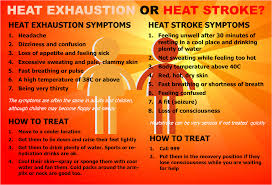
Heat exhaustion is a serious condition caused by prolonged exposure to high temperatures and dehydration. It occurs when the body loses excessive water and salts through sweating. Common signs include:
- Heavy sweating
- Weakness or fatigue1
- Dizziness or fainting
- Nausea or vomiting
- Pale, cool, and moist skin
Although heat exhaustion can become severe, prompt care usually results in a full recovery.
Understanding Heatstroke
Heatstroke is a life-threatening condition that occurs when the body overheats and can no longer regulate its temperature. It is a medical emergency requiring immediate attention. Key indicators of heatstroke include:
- High body temperature, typically above $104^{\circ}\text{F}$ ($40^{\circ}\text{C}$)
- Hot, dry, and red skin (sweating may be absent)
- Rapid pulse or breathing
- Confusion, disorientation, or loss of consciousness
- Seizures or vomiting2
Unlike heat exhaustion, heatstroke can cause permanent damage or death if not treated quickly.
Key Differences Between Heat Exhaustion and Heatstroke
Recognizing the differences allows responders to act appropriately:
| Feature | Heat Exhaustion | Heatstroke |
| Body Temperature | Slightly elevated | Very high ($>104^{\circ}\text{F} / 40^{\circ}\text{C}$) |
| Skin | Cool, moist | Hot, dry |
| Mental State | Usually alert | Confused, disoriented |
| Sweating | Heavy | May be absent |
| Urgency | High but manageable | Life-threatening |
Understanding these distinctions ensures that first aid is delivered correctly and quickly.
Immediate First Aid for Heat Exhaustion
Prompt intervention can prevent heat exhaustion from progressing to heatstroke:
- Move the person to a cooler, shaded area.
- Loosen tight or heavy clothing.
- Apply cool, damp cloths or spray water on the skin.
- Encourage small sips of water or electrolyte drinks if the person is conscious.
- Have the person lie down with legs slightly elevated.
Monitoring the individual closely is essential. If symptoms worsen or do not improve within 30 minutes, seek medical attention.
Immediate First Aid for Heatstroke
Heatstroke requires urgent emergency care:
- Call 911 or local emergency services immediately.
- Move the person to a shaded or air-conditioned area.
- Cool the body rapidly with cold water, ice packs on armpits, neck, and groin, or wet towels.
- Avoid giving fluids if the person is unconscious to prevent choking.
- Monitor breathing and pulse until professional help arrives.
Rapid cooling and professional intervention are critical to prevent organ damage and save the person’s life.
Preventing Heat-Related Illnesses
Prevention is always better than treatment. Key strategies include:
- Drink plenty of water and avoid alcohol or caffeine in hot weather.
- Wear light, loose-fitting clothing and a wide-brimmed hat.
- Limit strenuous activity during peak heat hours.3
- Take frequent breaks in cool, shaded areas.
- Monitor children, elderly, and outdoor workers closely.
Awareness and proactive measures greatly reduce the risk of heat-related emergencies.
When to Seek Medical Attention
Immediate professional care is necessary if:
- Symptoms of heatstroke appear.
- Heat exhaustion symptoms do not improve after cooling and hydration.
- The person has underlying health conditions or is on medication that increases heat sensitivity.4
- Confusion, vomiting, or fainting occurs.
Timely medical attention prevents serious complications such as organ failure or brain damage.
Educating Others on Heat Safety
Education is essential for preventing heat-related emergencies:
- Teach children and coworkers the signs of heat exhaustion and heatstroke.
- Encourage hydration and frequent breaks during outdoor activities.
- Keep emergency contact numbers handy.
- Learn basic first aid and CPR training to respond effectively in emergencies. For comprehensive training options, you can visit MyCPR NOW.
Preparedness empowers communities to respond quickly and save lives.
Conclusion
Heat exhaustion and heatstroke are serious conditions caused by prolonged heat exposure, but understanding the differences is key to effective response. Heat exhaustion presents with heavy sweating, weakness, and dizziness, while heatstroke is life-threatening with high body temperature, dry skin, and altered mental state. Immediate action, including cooling, hydration, and professional medical attention, can prevent severe complications. Educating yourself and others about heat safety, recognizing early warning signs, and being prepared ensures that hot weather remains safe rather than dangerous.