
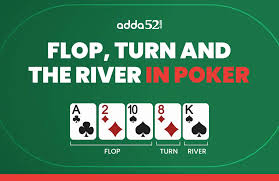
In the intricate drama of a Texas Hold’em hand, each stage has its own distinct character. The pre-flop action is about potential and position. The flop is a moment of explosive revelation, defining the landscape of the hand. The turn is a critical juncture, narrowing possibilities and building the pot. But it is the final community card, the fifth street, known as the River, where the story reaches its climax. It is the most pressure-filled, strategically complex, and consequential part of any hand.
The River is where monster pots are won and lost, where legendary bluffs are made, and where a player’s skill and courage are put to the ultimate test. It is the moment of absolute truth, where no more cards can come to save you. Understanding the unique dynamics of this final street is essential for any aspiring player, whether they are competing in a home game or playing at a digital table on a platform like voxcasino. More than any other street, the River is where a good player becomes a great one.
The moment of truth: no more draws
What makes the River fundamentally different from the flop and the turn is the element of finality. Up until the River, a player holding a drawing hand—like four cards to a flush or a straight—is betting on potential. They are paying for the chance to improve their hand and win the pot. The River extinguishes that potential completely.
Once the fifth card is dealt, the hand you have is the hand you will take to showdown. There are no more outs, no more draws, and no more cards to come. This binary outcome—either you made your hand or you didn’t—creates a stark strategic clarity. Players must now re-evaluate their hand’s absolute strength, not its potential strength. This finality is what transforms the River into a pure test of value betting and bluffing.
The art of the River bet: value vs. bluffs
With all the cards on the table, the purpose of a River bet becomes incredibly focused. You are no longer betting to protect your hand or to charge draws. A bet on the River is made for one of two reasons:
- For value. You believe you have the best hand and you want to be called by a worse hand to extract the maximum amount of money from the pot.
- As a bluff. You believe you have the worst hand and you want to force a better hand to fold, allowing you to win a pot you otherwise have no right to.
This is where poker psychology truly shines. A “thin value bet” is one of the most difficult skills to master—betting a moderately strong hand and hoping to get called by a slightly weaker one. Conversely, pulling off a successful River bluff requires immense courage and a convincing story told through your betting actions on all previous streets. Key questions to ask yourself on the River:
- If I bet, will a worse hand call me? If the answer is yes, you should probably bet for value.
- If I bet, can I make a better hand fold? If the answer is yes, you might have a profitable bluff.
- If my opponent bets, what hands are they representing? Does their story make sense based on the action on the flop and turn?
- What is the pot size? The size of the pot dictates the odds you are getting on a call, which is crucial when facing a bet.
Psychological warfare and pot size
By the time the action reaches the River, the pot is often at its largest. This magnifies the pressure and the consequences of every decision. A single bet on the River can be larger than all the bets on the previous streets combined. This financial pressure changes everything.
It’s much harder for an opponent to call a large bet on the River with a marginal hand than it was on the flop. The risk is higher, and the information is complete. This is why the River is known as “bluffer’s paradise.” A courageous player who has set up their bluff effectively on earlier streets can use the intimidating size of the River pot to push opponents with decent, but not great, hands to fold. They are not just betting their cards; they are betting on their opponent’s fear of being wrong.
This psychological dynamic works both ways. When you are facing a large River bet, you are forced to become a detective. You must mentally replay the entire hand, analyze your opponent’s tendencies, and make a decision that could swing your entire session. This is the moment that defines a player’s ability to make “hero calls” or disciplined “hero folds.”
The River card’s power to change everything
The River card itself is notorious for its ability to create dramatic and unexpected outcomes. A seemingly “safe” River card can complete a hidden draw, turning the winning hand into the losing one in an instant. Common “game-changing” River scenarios:
- Completing a Flush or Straight. A player who has been calling with a draw all along can hit their hand on the River, beating an opponent who had a strong hand like two pair or three of a kind on the turn.
- Creating a Full House. When the board pairs on the River, it can give a player with a set on the flop a full house, or a player with two pair a better full house.
- The “Counterfeit”. This happens when a River card duplicates one already on the board, devaluing a player’s two-pair hand. For example, if you have 8-7 on a board of 8-7-2-K, you have two pair. If the River is a K, the board now has a pair of Kings, and anyone holding a single King now beats your two pair.
While every street in Texas Hold’em has its own strategic importance, the River stands alone as the final arbiter of fate. It is the moment where potential solidifies into reality, where bluffs are made of steel, and where fortunes are won or lost. It strips away the “what ifs” and forces players to confront the absolute strength of their hand and the courage of their convictions. Mastering the River—knowing when to bet for value, when to pull off a daring bluff, and when to make a disciplined fold in the face of pressure—is what separates the good from the great and solidifies its status as the most crucial street in poker.